










Table of contents
- Latest News
- November 2026
- June 2024
- What Is the Miniverse Toy Recall?
- Which Miniverse Make It Mini Sets Are Recalled?
- What’s the Problem With Miniverse Liquid Resin?
- Why Is Uncured Miniverse Resin Hazardous?
- How Many Miniverse Incidents Were Reported?
- What Injuries Could Miniverse Resin Cause?
- Where Were Recalled Miniverse Toys Sold?
- What Should Consumers Do With Recalled Miniverse Sets?
- How Can Consumers Obtain a Refund or Replacement?
- Could MGA Entertainment Face Product Liability Claims?
- Who May Be Affected by the Miniverse Toy Recall?
- Do I Qualify for a Miniverse Toy Recall Lawsuit?
- What Evidence Should Consumers Preserve?
- How Can Consumers Report a Miniverse Resin Injury?
- What Compensation May Be Available?
- Speak With a Miniverse Toy Recall Lawyer
- How Does a Miniverse Toy Lawsuit Work?
- Frequently Asked Questions
- What is the Miniverse Toy Recall Lawsuit?
- Why were Miniverse Make It Mini toys recalled?
- Which Miniverse toys are recalled?
- How many Miniverse resin injuries were reported?
- Can I file a Miniverse Toy Recall Lawsuit?
- How can I obtain a Miniverse refund?
- Is there a Miniverse Toy Recall Lawsuit settlement?
- References
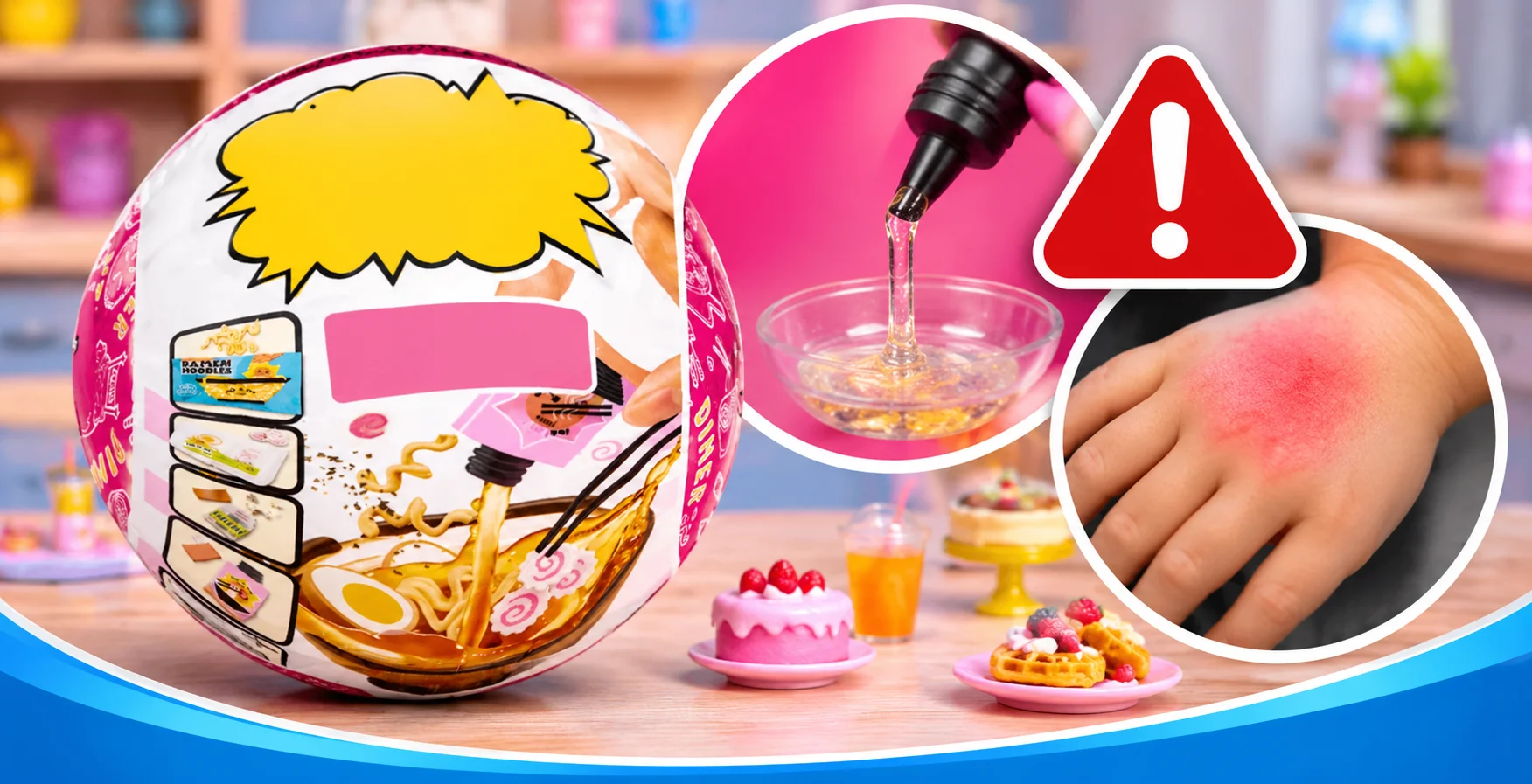
On June 25, 2024, MGA Entertainment recalled Miniverse Make It Mini craft sets containing unused liquid resin. The recall covers miniature food, appliance, and lifestyle kits sold nationwide between October 2022 and June 2024.
The affected resin contains hydroxyethyl methacrylate (HEMA) and isobornyl acrylate (IBOA). The Consumer Product Safety Commission (CPSC) determined that these chemicals were present in amounts prohibited in children’s products under the Federal Hazardous Substances Act.
Consumers should stop using affected products containing uncured resin and request a refund or replacement through MGA. Children and adults who experienced documented injuries following exposure may have potential product-liability claims, depending on the evidence, medical causation, and applicable law.
Quick Facts
- Products: MGA’s Miniverse Make It Mini Food, Appliances, Lifestyle, and other affected sets containing unused liquid resin.
- Recall: June 25, 2024, CPSC Recall No. 24-281, affecting approximately 21 million U.S. units.
- Hazard: Liquid resin containing HEMA and IBOA can cause skin, eye, and respiratory irritation or sensitization.
- Remedy: Full refund or replacement product of equal value through MGA Entertainment.
Latest News
November 2026
A November 19, 2026 review of CPSC recall records confirmed that MGA Entertainment recalled approximately 21 million Miniverse Make It Mini sets because their unused liquid resins contained hazardous acrylates. The recall was originally announced June 25, 2024, under Recall No. 24-281 [1].
MGA originally reported 26 U.S. incidents involving children and adults. Reported effects included skin burns, irritation, respiratory problems, and one incident involving aggravated asthma.
MGA’s official recall website remained accessible during the November review and continued to display its Miniverse registration form. Consumers could access the published refund and replacement request options [2].
The manufacturer’s recall FAQ was independently examined. It confirms that consumers may request a refund or a replacement of equal value, identifies the replacement as Miniverse Little Tikes Minis, and provides prepaid shipping for eligible returns [3].
The FAQ gives a replacement timeframe of up to 12 weeks after MGA receives the returned item. This is a published program term, not independent confirmation of current shipping or individual fulfillment.
The November review did not establish an updated injury total, newly announced recall, or verified court outcome involving the recalled resin products.
June 2024
On June 25, 2024, the CPSC announced the nationwide Miniverse recall. Approximately one million additional units were identified in Canada.
Health Canada published a corresponding recall identifying the same liquid-resin hazard. As of June 21, 2024, MGA had received one Canadian report involving a skin allergy [4].
Both regulators directed consumers to stop using sets containing unused liquid resin. The CPSC clarified that fully cured resin no longer presents the chemical hazards identified in the recall.
| Event | Month/Year | Type | Status | Source | Notes |
|---|---|---|---|---|---|
| U.S. Miniverse recall | June 2024 | CPSC recall | Announced | [1] | Approximately 21 million U.S. units |
| Canadian Miniverse recall | June 2024 | Health Canada recall | Announced | [4] | One Canadian skin-allergy report |
| Reported resin incidents | June 2024 | Safety reporting | Disclosed | [1] | Twenty-six U.S. incidents disclosed |
| Refund and replacement remedy | June 2024 | Recall remedy | Announced | [1] | Consumer chooses refund or replacement |
What Is the Miniverse Toy Recall?
The recall involves MGA’s Miniverse Make It Mini collectible craft sets, which allow users to assemble miniature replicas of food, appliances, and household objects.
Some kits contain liquid resin used to produce realistic miniature creations. The recalled resin includes acrylate chemicals that can cause irritation or allergic sensitization before the material fully cures.
Which Miniverse Make It Mini Sets Are Recalled?
The recall covers affected sets containing unused liquid resin, including:
- Make It Mini Food Café and Diner
- Make It Mini Appliances
- Make It Mini Lifestyle
- Make It Mini Kitchen
- Make It Mini All You Can Eat
- Make It Mini Ice Cream Social
- Make It Mini Pizza Party
- Other affected multipacks and seasonal collections
Most products came in collectible spheres, while larger collections were packaged in boxes. Item numbers and UPC codes appear on the packaging and are listed in the CPSC announcement.
The recall targets affected products containing unused resin, not every Miniverse toy or fully cured miniature creation.
What’s the Problem With Miniverse Liquid Resin?
The recalled liquid resin contains HEMA and IBOA, two acrylate chemicals associated with irritation and sensitization.
Skin contact, ingestion, or inhalation of uncured resin can cause adverse reactions. Sensitization can also result in an allergic response following subsequent exposure.
The CPSC determined that the concentrations violated requirements of the Federal Hazardous Substances Act for children’s products.
Why Is Uncured Miniverse Resin Hazardous?
Users may encounter uncured resin while pouring miniature ingredients, assembling creations, or handling containers.
Once resin fully cures, the CPSC states that it no longer presents the chemical hazards identified in this recall. Consumers should not deliberately handle or cure unused recalled resin instead of following the recall remedy.
How Many Miniverse Incidents Were Reported?
MGA reported 26 U.S. incidents involving children and adults, including skin reactions and respiratory irritation. One report involved a consumer’s asthma being triggered.
Health Canada separately reported one Canadian skin-allergy incident. These figures reflect the original 2024 recall disclosures, not verified cumulative totals through November 2026.
What Injuries Could Miniverse Resin Cause?
Exposure to uncured resin may cause skin burns, redness, allergic contact dermatitis, eye irritation, or breathing symptoms.
Some individuals may develop persistent allergic sensitization. The severity and duration of symptoms depend on the exposure, individual sensitivity, and other medical circumstances.
Consumers experiencing significant skin, eye, or respiratory symptoms should seek appropriate medical evaluation.
Where Were Recalled Miniverse Toys Sold?
The affected sets were sold at Target, Walmart, Family Dollar, Dollar General, ALDI, Hobby Lobby, and other retailers. Online sellers included Amazon.com, Target.com, Walmart.com, and MGA’s website.
Sales occurred between October 2022 and June 2024. Individual sphere sets generally cost $7–$13, while boxed sets cost approximately $14–$52.
What Should Consumers Do With Recalled Miniverse Sets?
Consumers should immediately stop using affected sets containing unused liquid resin. They should contact MGA for its published refund or replacement procedure.
Unopened products should be returned with their unused resin. For opened sets, the CPSC instructs consumers to return the unused resin and provide a product photograph.
How Can Consumers Obtain a Refund or Replacement?
MGA offers a full refund or replacement product of equal value. Its FAQ confirms that the replacement is Miniverse Little Tikes Minis, not another Make It Mini resin set.
Consumers can submit requests through MGA’s official recall form. The company provides prepaid shipping labels and states that one form may cover multiple affected products.
MGA Entertainment Recall Contact Information
- Telephone: 800-222-4685
- Email: mvcustomer_care@mgae.com
- Published hours: Monday–Friday, 9 a.m.–8 p.m. Eastern; Saturday, 9 a.m.–2 p.m. Eastern
- Website: mgae.com/recalls
- Recall number: 24-281
The published replacement timeframe is up to 12 weeks after receipt of the returned product. Current individual processing times and completed refunds were not independently verified.
Could MGA Entertainment Face Product Liability Claims?
Manufacturers may face product-liability claims when defective products cause injuries. Depending on state law, legal theories may involve defective design, inadequate warnings, negligence, or other recognized grounds.
The federal hazardous-substances violation is relevant to product safety. However, the recall alone does not establish that an individual exposure caused compensable injuries.
Who May Be Affected by the Miniverse Toy Recall?
Potentially affected individuals include children and adults who handled unused resin from affected Miniverse Make It Mini sets.
Consumers who experienced medically documented skin burns, allergic reactions, eye irritation, or respiratory problems may have questions concerning possible injury claims.
Ownership of a recalled product alone does not establish a compensable personal-injury claim.
Do I Qualify for a Miniverse Toy Recall Lawsuit?
The following questions may help determine whether a potential claim warrants legal review:
- Did you or your child use a recalled Miniverse Make It Mini set containing uncured liquid resin?
- Did resin contact the skin or eyes, or cause suspected respiratory exposure?
- Did you or your child develop documented burns, irritation, allergic reactions, or breathing symptoms?
- Do you have product photographs, purchase records, medical documentation, or other supporting evidence?
Answering yes does not establish eligibility or guarantee compensation. An attorney can evaluate exposure, medical causation, damages, and applicable filing deadlines.
What Evidence Should Consumers Preserve?
Useful evidence may include receipts, product packaging, UPC codes, photographs, medical records, and communications with MGA.
Consumers should not continue using recalled resin to preserve evidence. Those considering litigation can seek guidance on documenting relevant information while following the recall’s safety and return instructions.
How Can Consumers Report a Miniverse Resin Injury?
Consumers may report suspected product-related injuries through SaferProducts.gov, the CPSC’s reporting system.
Reports can assist product-safety investigations but do not automatically establish liability or begin a civil lawsuit.
What Compensation May Be Available?
Potential damages in a qualifying claim may include medical expenses, dermatology treatment, respiratory care, lost income, pain and suffering, and other legally recognized losses.
Recovery depends on the evidence, applicable law, and the connection between exposure and injury.
Compensation amounts vary by case. Past results do not guarantee future outcomes.
Speak With a Miniverse Toy Recall Lawyer
If you or your child experienced an injury involving recalled Miniverse liquid resin, an attorney can review the exposure and supporting medical evidence. A free case review can help determine whether the circumstances and applicable law support a potential product-liability claim.
How Does a Miniverse Toy Lawsuit Work?
- Free case review. An attorney evaluates the product, exposure, and alleged injuries.
- Investigation. Relevant evidence may include recall records, product information, and medical documentation.
- Filing. A qualifying claim may be filed against legally responsible parties.
- Discovery/negotiation. The parties exchange evidence and may discuss settlement.
- Resolution. The claim may conclude through settlement, dismissal, court ruling, or trial.
Frequently Asked Questions
What is the Miniverse Toy Recall Lawsuit?
The Miniverse Toy Recall Lawsuit refers to potential injury claims involving recalled Make It Mini sets containing unused liquid resin. The recall does not itself establish that a particular lawsuit has been filed or resolved.
Why were Miniverse Make It Mini toys recalled?
The unused resin contains HEMA and IBOA in amounts prohibited in children’s products. These chemicals can cause irritation or allergic sensitization while the resin remains uncured.
Which Miniverse toys are recalled?
The recall includes affected Food, Appliances, Lifestyle, and related sets containing unused liquid resin. Consumers can compare their products with the CPSC’s item-number and UPC list.
How many Miniverse resin injuries were reported?
MGA reported 26 U.S. incidents involving children and adults. The reports included skin reactions, respiratory irritation, and one asthma-related incident.
Can I file a Miniverse Toy Recall Lawsuit?
Consumers with documented injuries involving recalled resin may have potential product-liability claims. Eligibility depends on exposure, causation, damages, and applicable legal deadlines.
How can I obtain a Miniverse refund?
Consumers can register through MGA’s official recall website and follow its return instructions. The published remedy offers a refund or replacement product of equal value, with prepaid shipping.
Is there a Miniverse Toy Recall Lawsuit settlement?
The reviewed recall records do not establish a court-approved Miniverse resin settlement. Targeted public litigation searches did not identify a verifiable case-specific outcome, but that does not exclude individual claims or private settlements.