

METASONO Heated Insoles Lawsuit Update: Burn Injury Warning and Legal Options

CPSC is warning consumers to stop using METASONO/MEATSONO Heated Insoles because the internal lithium-ion battery can explode and ignite, even when the insoles are turned off. The July 9, 2026 warning involves 1,173 heated insoles and reports of fires, explosions, thermal incidents, and serious burn injuries, including second- and third-degree burns requiring skin grafts.
Award Logos
Collen Clark Published by Collen Clark

At least one individual product liability lawsuit involving Metasono heated insoles has also been publicly reported. The lawsuit alleges that the insoles overheated, exploded, and caught fire while being worn; no METASONO class action, multidistrict litigation, or settlement program has been identified in this review.

Consumers should stop using the products and follow CPSC disposal guidance. Anyone injured may also consider preserving safe documentary evidence and requesting an individual legal review.

Quick Facts

  • CPSC issued a stop-use warning for METASONO/MEATSONO Heated Insoles on July 9, 2026.
  • The internal lithium-ion battery can explode and ignite, even when the insoles are turned off.
  • CPSC identified reported fires, explosions, thermal incidents, and serious burn injuries requiring skin grafts.
  • An individual product liability lawsuit involving Metasono heated insoles has been publicly reported.

Latest News & Updates on METASONO Heated Insoles Lawsuits

July 2026

July 9, 2026 – CPSC warned consumers to stop using METASONO/MEATSONO Heated Insoles because the internal lithium-ion battery can explode and ignite even when the products are turned off. The agency reported 14 fires, explosions, and other thermal incidents, at least 10 reported burn injuries, and serious second- and third-degree burns requiring skin grafts; CPSC also said the manufacturer had not responded to requests for a recall or additional product information [1].

January 2026

January 25, 2026 – A federal product liability lawsuit was filed in the U.S. District Court for the Western District of Tennessee against Amazon.com Inc., Amazon.com Services LLC, Amazon Advertising LLC, METASONO, and METASONO US. The lawsuit, Alexander v. Amazon.com Inc. et al., reportedly alleges that Metasono-brand rechargeable heated insoles exploded while being worn, causing lithium-ion batteries to melt, ignite, and burn the plaintiff’s feet [2, 3].

What Are METASONO Heated Insoles?

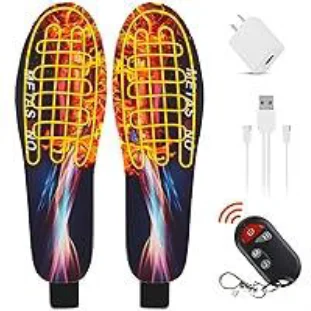
METASONO/MEATSONO Heated Insoles are battery-powered shoe inserts designed to warm a user’s feet. The insoles are primarily navy blue with a multicolored design and “METASONO” printed on both sides.

The insoles contain a lithium-ion battery in the heel area and are operated by a remote control. Because the power source is built into the insole, the battery sits directly under or near the wearer’s foot during ordinary use.

The products were sold online at Amazon.com and eBay.com from July 2023 through July 2026. CPSC says they sold for between $28 and $70 and were manufactured in China.

This CPSC action is a product safety warning, not a standard company recall with a company-provided remedy. CPSC says the Chinese manufacturer, shenzhenshiyunxichawenhuayouxiangongsi dba METASONO-US, was unresponsive to requests for a recall or product information.

Reported Risks or Injuries

The primary reported risks are fire, explosion, and serious burn injury. CPSC says the internal lithium-ion battery can explode and ignite, even when the insoles are turned off.

The injuries identified by CPSC include second- and third-degree burns requiring skin grafts. Burn treatment may vary by case and may involve emergency care, wound care, surgery, follow-up treatment, and scar-related care depending on severity.

The publicly reported Tennessee lawsuit alleges that Metasono heated insoles overheated, exploded, and caught fire while being worn. The reported allegations include burn injuries after the product was used inside footwear during cold-weather activity.

Additional losses may include damaged shoes, socks, clothing, flooring, bedding, storage areas, or other personal property. A fire involving an insole worn inside a shoe may also make rapid removal difficult.

How Does the Problem Occur, and Who May Be Liable?

The problem can occur when the lithium-ion battery inside the insole fails, overheats, explodes, or ignites. CPSC says the hazard can occur even when the insoles are turned off.

A legal investigation may examine the battery cell, heel enclosure, insulation, wiring, heating element, charging system, remote-control function, instructions, warnings, quality control, product testing, incident history, and sale through online marketplaces. It may also review whether consumers were adequately warned about fire, explosion, use-in-shoe, charging, storage, and disposal hazards.

Consumers should not use, charge, test, disassemble, or handle the product unnecessarily after an incident. Safe evidence may include purchase records, photographs, product listing screenshots, packaging, medical records, damaged shoes or clothing, and written notes about what happened.

Questions about retaining, moving, photographing, storing, or disposing of the physical insoles should be addressed with qualified legal counsel and appropriate safety authorities before taking actions that could create an additional fire or burn hazard.

Potentially responsible parties may include shenzhenshiyunxichawenhuayouxiangongsi dba METASONO-US, Metasono entities, battery-cell suppliers, component suppliers, importers, distributors, online sellers, marketplace entities, or other companies involved in designing, manufacturing, importing, selling, advertising, fulfilling, or warning about the insoles. Liability depends on product identification, defect evidence, warnings, causation, injuries, damages, and applicable law.

Who May Be Affected?

Consumers may be affected if they purchased or used METASONO/MEATSONO Heated Insoles sold on Amazon.com or eBay.com from July 2023 through July 2026. The warning applies to the navy-blue heated insoles with a multicolored design, remote-control operation, and a lithium-ion battery in the heel area.

People may also be affected if a defective insole ignited near them, even if they were not the purchaser. Family members, roommates, coworkers, guests, or bystanders could be exposed to flames, smoke, emergency conditions, or property damage.

Users with reduced foot sensation may face added risk because they may not feel heat buildup as quickly. Diabetes-related neuropathy, nerve injuries, circulation problems, cold-weather numbness, or certain medications may delay recognition of a burn hazard.

CPSC urges consumers to dispose of the defective heated insoles immediately and follow local hazardous waste disposal procedures. Defective lithium-ion battery products should not be placed in household trash, curbside recycling, general recycling streams, or used battery recycling boxes at retail stores.

Do I Qualify?

  • Did you purchase or use METASONO/MEATSONO Heated Insoles sold through Amazon.com or eBay.com?
  • Did the insoles overheat, smoke, spark, explode, ignite, or catch fire?
  • Did you suffer burns, smoke exposure, scarring, medical treatment, property damage, or other losses?
  • Do you have medical records, photos, product packaging, purchase records, damaged shoes, damaged clothing, or other safe evidence of the incident?

A legal review can help determine eligibility by evaluating the product, incident sequence, battery failure, injuries, medical treatment, property damage, responsible companies, and filing deadlines that may apply.

Do I Have a METASONO Heated Insoles Lawsuit?

If you or a loved one suffered burns, smoke exposure, property damage, or other losses involving METASONO/MEATSONO Heated Insoles, you may have legal options. Contact Schmidt & Clark for a free case review.

Start My Free Case Review

Event Month/Year Type Status Source Notes
CPSC stop-use warning for METASONO/MEATSONO Heated Insoles July 2026 Consumer product safety warning Active warning; manufacturer had not provided a recall remedy when warning was issued CPSC CPSC warned of fire and serious burn hazards and reported that the manufacturer had been unresponsive to recall and information requests.
Alexander v. Amazon.com Inc. et al. January 2026 Product liability lawsuit Individual federal lawsuit filed in the Western District of Tennessee Justia docket and legal news reporting The lawsuit names Amazon-related defendants, METASONO, and METASONO US and reportedly alleges burn injuries from rechargeable heated insoles.

Potential Compensation

Potential compensation may include emergency treatment, hospitalization, burn-center care, wound care, medication, debridement, surgery, skin grafting, physical therapy, scar treatment, and future medical expenses.

Additional damages may include pain and suffering, emotional distress, lost wages, reduced mobility, damaged shoes, damaged clothing, property damage, travel expenses, out-of-pocket costs, and insurance deductibles. Severe burns may also involve permanent scarring or long-term limitations with walking or standing.

Compensation amounts vary by case. Past results do not guarantee future outcomes.

Step 1: Free case review. The review begins with the purchase date, marketplace order history, product photos, incident sequence, injury location, medical treatment, and property damage. Consumers may be asked whether the insoles were being worn, charged, stored, turned off, or operated by remote control when the incident occurred.

Step 2: Investigation. The investigation may examine order confirmations, listing screenshots, product photos, packaging, medical records, fire reports, photographs, videos, damaged shoes, damaged clothing, and CPSC warning documents. Consumers should not test, recharge, disassemble, or handle the product unnecessarily, and questions about the physical insoles should be addressed before actions that could create added danger.

Step 3: Filing the claim. A supported claim may allege defective design, manufacturing defects, inadequate warnings, negligence, breach of warranty, marketplace liability, or other product liability theories. Filing deadlines vary by state and should be reviewed promptly.

Step 4: Discovery and negotiation. The parties may exchange battery records, product specifications, quality-control materials, testing records, complaint data, sales records, medical records, property-damage records, expert opinions, and witness testimony. Negotiations may focus on product identification, causation, burn severity, future care, lost income, and property losses.

Step 5: Resolution. A case may resolve through settlement, dismissal, court ruling, or trial. The outcome depends on the evidence, injuries, damages, available defendants, insurance, and applicable legal defenses.

Frequently Asked Questions About METASONO Heated Insoles Lawsuits

What is the METASONO Heated Insoles warning?

CPSC warned consumers to stop using METASONO/MEATSONO Heated Insoles immediately because the internal lithium-ion battery can explode and ignite. The warning covers heated insoles sold online through Amazon.com and eBay.com.

Why are METASONO Heated Insoles dangerous?

The insoles contain an internal lithium-ion battery that can explode and ignite, even when the insoles are turned off. Because the battery is located in the heel area, the fire or heat source may be close to the wearer’s foot.

Have METASONO Heated Insoles caused injuries?

Yes. CPSC is aware of fires, explosions, and other thermal incidents involving the defective insoles. Reported injuries include serious second- and third-degree burns requiring skin grafts.

Is there a METASONO Heated Insoles recall?

CPSC has issued a stop-use warning, but the manufacturer has not agreed to a recall or provided a consumer remedy. CPSC says the manufacturer has been unresponsive to requests for a recall or information about the product.

Has a METASONO Heated Insoles lawsuit been filed?

Yes. A federal product liability lawsuit filed in Tennessee names METASONO and METASONO US, along with Amazon-related defendants. The lawsuit reportedly alleges that Metasono heated insoles overheated, exploded, and caught fire while being worn.

Can I throw METASONO Heated Insoles in the trash?

No. CPSC warns consumers not to place the defective lithium-ion battery product in household trash, curbside recycling, general recycling streams, or retail used-battery recycling boxes. Consumers should contact a municipal household hazardous waste collection center or local officials for disposal guidance.

Can I file a METASONO Heated Insoles lawsuit if I was burned?

Possibly. Burns, skin grafts, hospitalization, documented product failure, and proof that the incident involved METASONO/MEATSONO Heated Insoles may support an individual legal review. Eligibility depends on the evidence, injuries, damages, available defendants, and applicable state law.

What evidence should I save for a METASONO Heated Insoles lawsuit?

Preserve safe evidence such as purchase records, product listing screenshots, photos, packaging, medical records, damaged shoes, damaged clothing, and written notes about what happened. Do not test, recharge, disassemble, or unnecessarily handle the defective insoles, and seek guidance before retaining or disposing of the physical product.

References

  1. https://www.cpsc.gov/Warnings/2026/CPSC-Warns-Consumers-to-Stop-Using-METASONO-MEATSONO-Heated-Insoles-Immediately-Due-to-Risk-of-Serious-Burn-Injury-from-Fire-Hazard
  2. https://dockets.justia.com/docket/tennessee/tnwdce/1%3A2026cv01015/109214
  3. https://www.aboutlawsuits.com/heated-insole-lawsuit/rechargeable-heated-insole-lawsuit-lithium-ion-batteries-caught-fire-burned-feet/
  4. https://www.epa.gov/recycle/used-lithium-ion-batteries

Get a Free Case Review

You may be entitled to financial compensation.
  • This field is for validation purposes and should be left unchanged.
Secure Submission