

Table of contents
- Latest Mario Kart Ride-On Race Car Recall Updates
- April 25, 2024: CPSC and JAKKS Pacific Announce the Recall
- Which Mario Kart Ride-On Race Cars Are Affected?
- Why Were the Mario Kart Ride-On Race Cars Recalled?
- Reported Incidents, Injuries, or Illnesses
- What Should Consumers Do?
- Legal Options
- Filing Deadlines
- Frequently Asked Questions
- What Should I Do If I Already Fixed the Sticking Pedal Myself?
- Where Is the Mario Kart Ride-On Racer Made?
- Is There a Different Phone Number for General Recall Questions?
- What Happens If I Do Not Request the Free Repair Kit?
- What Information Should I Keep If I Want a Free Case Review?
- Do I Need a Receipt to Get the Free Repair Kit?
- References
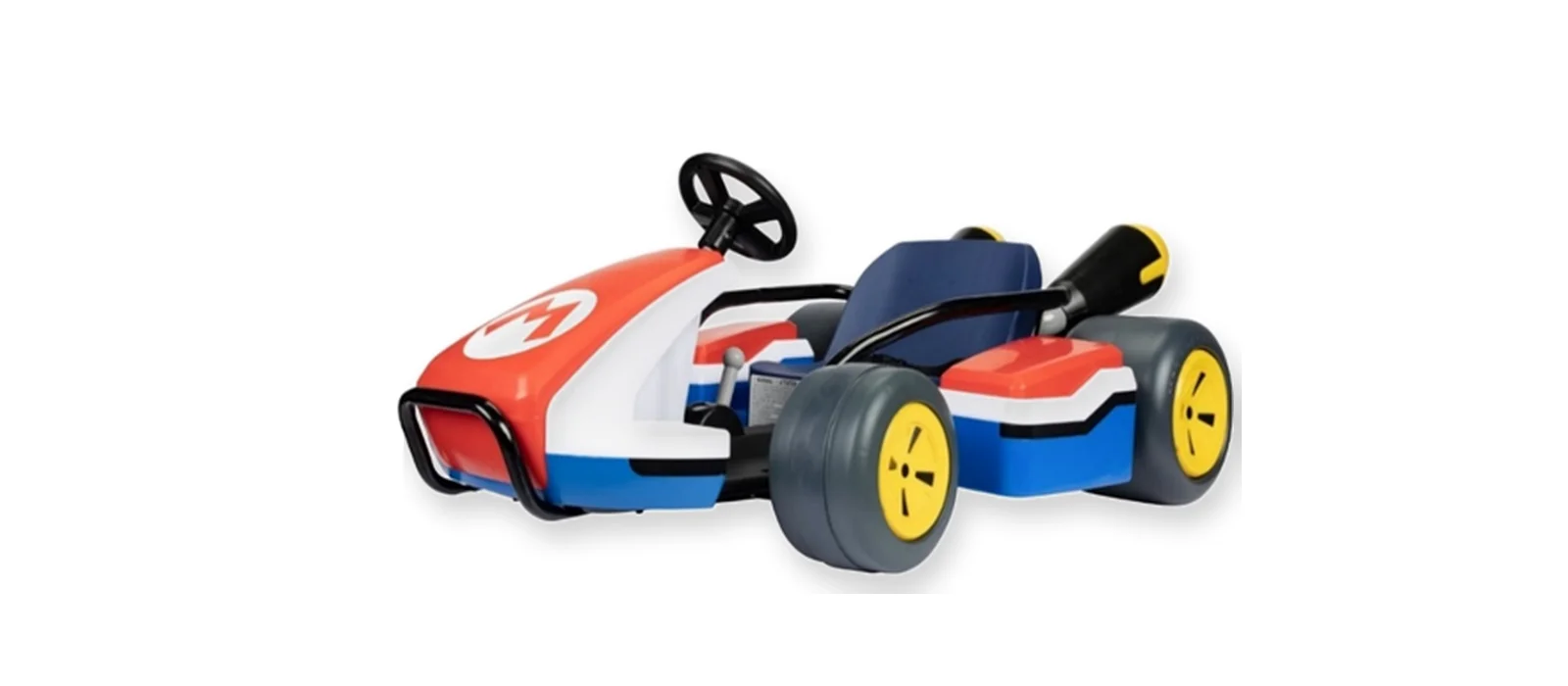
JAKKS Pacific and the U.S. Consumer Product Safety Commission recalled about 17,500 Mario Kart 24V Ride-On Racer Cars on April 25, 2024. The toys were sold with seven specific date codes.
The gas pedal on these cars can clog with debris and stick in place after a child’s foot leaves the pedal, causing a crash. JAKKS Pacific received reports of the problem, including several crashes and one minor injury.
Parents should stop using an affected car right away. Contact JAKKS Pacific for a free repair kit. The recall is still ongoing today, and JAKKS Pacific has not announced that it is complete.
Recall at a glance
- Action type: Voluntary recall, conducted by JAKKS Pacific in cooperation with CPSC
- Announcement and initiation dates: Announced April 25, 2024
- Company and responsible agency: JAKKS Pacific Inc. and the U.S. Consumer Product Safety Commission (CPSC)
- Recall or campaign number: 24-210
- Affected models, lots, UPCs, serial numbers, or VINs: Date codes 1752VE01, 1782VE01, 1952VE01, 2242VE01, 2352VE01, 2852VE01, or 0583VE01 (bottom of the blue underside panel)
- Number of affected units: About 17,500
- Sold at and sale period: Target, Walmart, Entertainment Earth, Nebraska Furniture Mart, Amazon.com, Macy’s and GameStop (in stores and online), October 2022-January 2024, about $400
- Hazard: The acceleration pedal can become clogged with debris and stick after the child’s foot is removed, posing a crash hazard
- Reported incidents, injuries, illnesses, and deaths: 65 reports of pedals sticking; 15 crashed into permanent structures; one minor injury, a chafed hand
- Remedy: Free repair kit (replacement pedal with installation instructions) from JAKKS Pacific
Latest Mario Kart Ride-On Race Car Recall Updates
April 25, 2024: CPSC and JAKKS Pacific Announce the Recall
CPSC and JAKKS Pacific announced recall number 24-210 for the Mario Kart 24V Ride-On Racer, after consumers reported that the acceleration pedal could stick and cause a crash [1, 2]. JAKKS Pacific began offering a free repair kit. It includes a replacement pedal and simple installation instructions for every affected owner, at no cost to the family that requests one.Which Mario Kart Ride-On Race Cars Are Affected?
The recall covers Mario Kart 24V Ride-On Racer Cars with one of seven manufacturing date codes, printed on the bottom of the blue panel on the vehicle’s underside:- Date code 1752VE01
- Date code 1782VE01
- Date code 1952VE01
- Date code 2242VE01
- Date code 2352VE01
- Date code 2852VE01
- Date code 0583VE01
Why Were the Mario Kart Ride-On Race Cars Recalled?
The Mario Kart 24V Ride-On Racer Cars were recalled because debris can jam the pedal. Once jammed, the pedal can keep driving the car forward even after a child lifts their foot off it. CPSC calls this a crash hazard. The Drive, an automotive-news outlet, described the defect as a form of unintended acceleration, a term the CPSC notice itself does not use [3]. JAKKS Pacific traced the problem to debris that collects inside the pedal on cars sold between October 2022 and January 2024. The CPSC notice also states that newer production, sold today, does not have this problem.Reported Incidents, Injuries, or Illnesses
JAKKS Pacific has received 65 reports of the pedal sticking on these battery-operated cars. Fifteen of those reports involved a crash into a permanent structure while a child was driving. One crash led to a minor injury, a chafed hand. The company has not reported any other type of injury from the 65 reports. The notice does not give a reporting cutoff date. A reported incident does not by itself prove that a specific car’s acceleration pedal was defective. Each report simply reflects what a consumer told the company or CPSC, rather than an independent inspection of every affected car.Were you or a family member hurt by this product?
Schmidt & Clark offers a free, no-obligation case review for a family whose child was hurt or whose Mario Kart Ride-On Racer stuck and crashed before the repair kit arrived. A free review does not promise eligibility for compensation or any particular result.
Start My Free Case Review
What Should Consumers Do?
Families who own a Mario Kart 24V Ride-On Racer Car should take these steps if the date code matches this recall:- Stop letting children use the car right away, even if the pedal has not stuck yet.
- Check the manufacturing date code on the underside panel against the seven recalled codes.
- Contact JAKKS Pacific toll-free at 855-602-5464, 8 a.m. to 4 p.m. PT Monday through Friday, or visit www.jakks.com’s Recall Information page to request a free repair kit.
- Wait for the replacement pedal and instructions to arrive before using the car again.
- Report a pedal-sticking incident to CPSC through SaferProducts.gov, as well as to JAKKS Pacific.
Legal Options
A recall does not automatically establish liability. It also does not establish eligibility for compensation. A family whose child was hurt when the pedal stuck may want the crash reviewed by a products-liability attorney. So far, nobody has filed a lawsuit, a class action or an MDL case over the Mario Kart 24V Ride-On Racer recall. Any potential claim right now would be an individual matter.Filing Deadlines
Every state sets its own legal deadline for filing a product-injury claim, and that deadline changes with where the family lives. The clock can start on the date of the crash. In some states, it starts on the date an injury was diagnosed instead. The exact timing depends on individual circumstances. A missed deadline can end an otherwise strong claim before it starts. A family that believes this car caused an injury should speak with a lawyer as soon as possible.Frequently Asked Questions
What Should I Do If I Already Fixed the Sticking Pedal Myself?
If you already loosened or cleaned a sticking pedal yourself, you should still contact JAKKS Pacific Inc. of Santa Monica, California, for the official free repair kit. A temporary fix does not replace the manufacturer’s remedy, so keep the car out of use until the new pedal is installed.Where Is the Mario Kart Ride-On Racer Made?
The Mario Kart 24V Ride-On Racer Cars are imported by JAKKS Pacific Inc. of Santa Monica, California, and manufactured in China, according to the CPSC notice. That detail does not change which cars are recalled. Only the date code does.Is There a Different Phone Number for General Recall Questions?
Yes, there is a different phone number for general recall questions: JAKKS Pacific’s own recall page lists 877-875-2557, separate from 855-602-5464, the number CPSC’s notice gives for requesting the repair kit.What Happens If I Do Not Request the Free Repair Kit?
If you do not request the free repair kit, your Mario Kart Ride-On Racer stays under recall and the sticking-pedal problem stays unfixed. JAKKS Pacific recommends calling 877-875-2557 and leaving the car unused until the replacement pedal arrives.What Information Should I Keep If I Want a Free Case Review?
If you want a free case review, keep information like the date code, a purchase receipt or order confirmation, photos of the pedal and the crash, and any medical records from the injury. These details help an attorney evaluate whether a review makes sense.Do I Need a Receipt to Get the Free Repair Kit?
Whether you need a receipt to get the free repair kit is not stated in the recall notice. It instead identifies covered cars using the code printed on the vehicle’s underside, matched against the recall list before a repair kit ships.References
- https://www.cpsc.gov/Recalls/2024/JAKKS-Pacific-Recalls-Childrens-Mario-Kart-Ride-On-Racer-Car-Toys-Due-to-Crash-Hazard
- https://www.jakks.com/recall-information/mario-kart-24v-ride-on-racer-pedal-recall-to-repair/
- https://www.thedrive.com/news/even-marios-kart-is-being-recalled-for-unintended-acceleration