

Table of contents
- Latest Ford Transit Recall Updates
- March 2, 2026: Ford Begins Mailing Remedy Notification Letters
- February 23, 2026: Ford Publishes Its Own Do-Not-Drive Advisory
- February 18, 2026: Dealer Notification Begins and Transport Canada Issues a Matching Recall
- February 17, 2026: Ford Submits Its Recall Report to NHTSA
- Which Ford Transit Are Affected?
- Why Was the Ford Transit Recalled?
- Reported Incidents, Injuries, or Illnesses
- What Should Consumers Do?
- Other Recalls, Warnings, or International Actions
- Legal Options
- Frequently Asked Questions
- Is There a Ford Transit Brake Failure Recall Lawsuit?
- What Does Ford’s Do-Not-Drive Advisory Mean for My Transit?
- Does Transport Canada’s Notice Say the Repair Is Free for Canadian Owners?
- Does Transport Canada’s Notice Have Its Own Recall Number?
- Should I Keep Records If My Ford Transit Is Used for Work?
- What Happens During the Free Dealer Inspection for This Recall?
- References
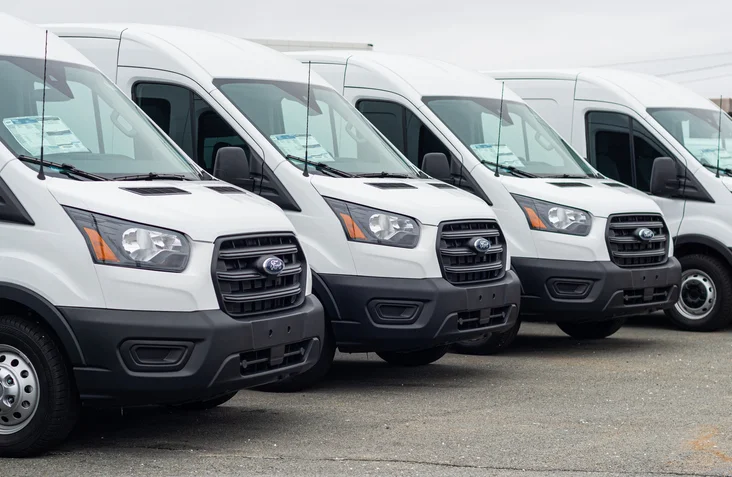
Ford is recalling about 15,965 model year 2025 Transit vans built at its Kansas City Assembly Plant. The National Highway Traffic Safety Administration calls this a “Do Not Drive” safety recall. Ford submitted the recall report on February 17, 2026.
The recall covers Transit vans built between January 21 and April 25, 2025. Some left the factory without a cotter pin securing the brake booster pushrod. The pushrod can separate from the pedal. That can cause a loss of braking.
Ford says owners should not drive the van until a dealer checks it. The recall remains open. Dealers are mailing notification letters and offering a free inspection and repair.
Recall at a glance
- Action type: NHTSA “Do Not Drive” / “Park Outside” safety recall
- Announcement and initiation dates: Submitted to NHTSA Feb 17; dealer notice Feb 18; letters mailed Mar 2-6, 2026
- Company and responsible agency: Ford Motor Company and NHTSA (recall 26V090)
- Recall or campaign number: NHTSA 26V090 / Ford 26C07
- Affected models, lots, UPCs, serial numbers, or VINs: 2025 MY Ford Transit, built January 21-April 25, 2025, Kansas City plant
- Number of affected units: 15,965 vehicles
- Sold at and sale period: Not applicable – factory-assembly defect
- Hazard: A missing cotter pin can let the brake booster pushrod separate from the pedal, which can cause a loss of braking
- Reported incidents, injuries, illnesses, and deaths: No accidents or injuries; 3 warranty/field reports of the missing pin/clip
- Remedy: Free dealer inspection and, if needed, cotter pin/clip installation; do not drive until done
Latest Ford Transit Recall Updates
March 2, 2026: Ford Begins Mailing Remedy Notification Letters
Ford started mailing remedy notification letters to owners of the 15,965 affected 2025 Transit vans March 2-6, 2026. KSAT reported the recall publicly on March 2 [1]. Dealers began scheduling free inspections and repairs once owners received their letters. Ford said the fix reinstalls the missing pin that holds the brake booster pushrod in place. The recall stays open while dealers finish repairs.February 23, 2026: Ford Publishes Its Own Do-Not-Drive Advisory
Ford published a do-not-drive advisory on February 23, 2026, naming the missing cotter pin as the cause [2]. The advisory told owners not to drive their Transit until a dealer checked it. Ford said drivers may notice a loose or wobbly brake pedal before a failure happens. The company gave its customer service number and pointed owners to NHTSA‘s recall database to confirm their vehicle identification number.February 18, 2026: Dealer Notification Begins and Transport Canada Issues a Matching Recall
Ford’s dealer notification date arrived on February 18, 2026, and VINs became searchable in NHTSA’s recall database. The same day, Transport Canada published its own recall notice for the same defect [3]. Transport Canada’s notice covers the same 2025 Transit vans built at the Kansas City plant. It states the Transit MPV model is not affected by this defect. Canadian owners receive the same dealer repair as owners in the United States.February 17, 2026: Ford Submits Its Recall Report to NHTSA
Ford submitted its Part 573 Safety Recall Report to NHTSA on February 17, 2026, opening recall 26V090. The report identifies the cause as a missing cotter pin installed during assembly. An earlier inspection step was designed to catch a missing pin by checking for a redundant retainer clip. That step also failed to catch the defect on these vans. No accidents or injuries have been reported to Ford or NHTSA.Which Ford Transit Are Affected?
This recall covers 2025 model year Ford Transit vans that share these identifiers:- 2025 model year Ford Transit vans and cargo vehicles
- Built at Ford’s Kansas City Assembly Plant
- Built January 21 through April 25, 2025
- About 15,965 vehicles are included in the United States
- The Transit MPV is excluded, per Transport Canada’s notice
Why Was the Ford Transit Recalled?
Ford recalled the 2025 Transit because some vans left the Kansas City Assembly Plant without a cotter pin that secures the brake booster pushrod to the brake pedal. Without that pin, the pushrod can come loose from the pedal during braking, which can result in a loss of braking function while driving. A follow-up check on the redundant retainer clip was meant to catch that missing pin, yet it missed the problem on these vans too. Ford said the root cause remains under investigation and has not disclosed how many vehicles had both components absent, though its review points to the cotter pin and clip not being installed during the Kansas City assembly process.Reported Incidents, Injuries, or Illnesses
Ford has not received any reports of a crash or injury linked to this defect. The company says it is not aware of any accident tied to the missing cotter pin. Ford’s warranty and field records, described in the same NHTSA recall report, show three reports of the missing cotter pin and clip from owners who already had their vans. The reports came in between April and December 2025 and covered three unique Transit VINs. A dealer technician found the missing pin during one owner’s service visit, after the owner reported warning lights on the dashboard. New reports may still surface as more owners bring their vans in for the recall inspection, since the three cases so far surfaced through individual service visits rather than a check of every van in the recall population.Were you or a family member hurt by this product?
Schmidt & Clark offers a free, confidential case review for 2025 Ford Transit owners affected by this brake-pedal recall, especially those who experienced a brake problem or a crash. A review does not promise eligibility, a settlement, or any particular result.
Start My Free Case Review
What Should Consumers Do?
Owners of an affected 2025 Ford Transit should take the following steps:- Do not drive the Transit until a dealer confirms the cotter pin is in place.
- Check your vehicle identification number, or VIN, on NHTSA’s recall website to confirm your van is included.
- Watch for a loose or soft feeling in the brake pedal before you drive again.
- Schedule a free inspection and repair at a Ford or Lincoln dealer as soon as your notification letter arrives.
- Contact Ford customer service at 1-866-436-7332, reference recall 26C07, or visit NHTSA’s website for more information.
- Keep a record of the notification letter and any dealer paperwork in case you need it later.
Other Recalls, Warnings, or International Actions
This brake-pedal recall is separate from the Ford trailer module recall, campaign 26C10. Car and Driver reported that the larger recall covers about 4.38 million vehicles across several Ford and Lincoln models [4]. That recall involves a software defect that can disable trailer brake lights and turn signals, unrelated to the missing cotter pin behind this brake-pedal recall.Legal Options
No lawsuit or proposed class action targets Ford over this brake-pedal recall as of this page’s check date. The Judicial Panel on Multidistrict Litigation‘s pending-MDL list carries no matching case [5]. A recall does not automatically establish liability or eligibility for compensation. Owners who experienced a brake problem or a crash may want to keep records of what happened and speak with an attorney.Frequently Asked Questions
Is There a Ford Transit Brake Failure Recall Lawsuit?
No lawsuit or class action has been filed against Ford over this Transit brake failure recall as of September 28, 2026. Schmidt & Clark is reviewing potential claims from affected owners, and an owner who had a brake problem or crash can speak with a lawyer before any case is filed.What Does Ford’s Do-Not-Drive Advisory Mean for My Transit?
Ford’s do-not-drive advisory means owners should park their Transit and avoid driving it until a dealer inspects it. The recall goes further than a routine repair notice because a brake failure can happen without warning. Ford asks owners to schedule that inspection once their letter arrives.Does Transport Canada’s Notice Say the Repair Is Free for Canadian Owners?
No, Transport Canada’s notice does not say the repair is free for Canadian owners. It states only that the dealer will repair the brake booster assembly as necessary, while Ford’s U.S. materials describe the same fix as a no-cost dealer repair. Canadian owners should confirm cost with their dealer.Does Transport Canada’s Notice Have Its Own Recall Number?
Yes, Transport Canada tracks this recall under its own reference number, RA-81689, and lists it as notice 2026071, separate from NHTSA’s 26V090 and Ford’s 26C07. All three numbers cover the same cotter-pin defect in the 2025 Transit, and Canadian owners can use either number to look it up.Should I Keep Records If My Ford Transit Is Used for Work?
Yes, if you use your Transit for work, keep records such as the recall notification letter and dealer repair paperwork. These records can matter if the van’s downtime affects your business or if you need to show a repair was completed. Also keep the recall number, 26V090.What Happens During the Free Dealer Inspection for This Recall?
During the free dealer inspection, a technician checks whether the cotter pin and the redundant retainer clip are both in place on the brake booster pushrod. If either part is missing, the dealer installs it at no cost to the owner. Ford’s remedy program covers the repair for every Transit.References
- https://www.ksat.com/news/local/2026/03/02/more-than-15000-ford-vehicles-recalled-due-to-brake-pedal-failure/
- https://www.fromtheroad.ford.com/us/en/articles/2026/2025-transit-advisory
- https://recalls-rappels.canada.ca/en/alert-recall/transport-canada-recall-2026071-ford
- https://www.caranddriver.com/news/a70513450/ford-4-million-vehicle-trailer-brake-recall/
- https://www.jpml.uscourts.gov/pending-mdls-0