

















Table of contents
- Latest Gianturco-Roehm Bird’s Nest Vena Cava Filter Lawsuit Updates
- January 13, 2026: Motion Seeks Judgment in 10 Bird’s Nest Cases
- February 26, 2008: 510(k) Filed for a Bird’s Nest Modification
- What Is the Gianturco-Roehm Bird’s Nest Vena Cava Filter?
- Who May Be Affected?
- Reported Injuries or Damages
- Evidence to Preserve
- Filing Deadlines
- Frequently Asked Questions
- Has the Bird’s Nest Filter Been Recalled?
- What Does the Research Say About Bird’s Nest Filter Perforation?
- Is a Bird’s Nest Filter Safe for MRI?
- Can a Bird’s Nest Filter Be Retrieved If It Migrates?
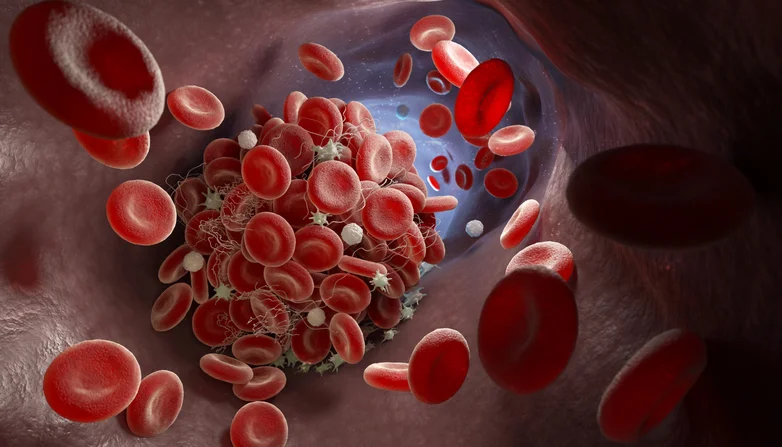
Cook Medical faces product liability cases over the Gianturco-Roehm Bird’s Nest Vena Cava Filter. Medical reports describe strut perforation of the vena cava, wire prolapse and filter migration.
Product liability cases over Cook’s IVC filters are pending in MDL No. 2570 in the Southern District of Indiana, where Judge Richard Young presides. Cook seeks judgment on the pleadings in 10 Bird’s Nest cases.
Cook Medical, Inc. is the named defendant, and plaintiffs allege defective design, misrepresentation in marketing and failure to warn doctors and patients. The cases involve people implanted with a Cook IVC filter, including the Bird’s Nest.
Latest Gianturco-Roehm Bird’s Nest Vena Cava Filter Lawsuit Updates
January 13, 2026: Motion Seeks Judgment in 10 Bird’s Nest Cases
HarrisMartin reported that Cook Medical moved on December 18, 2025 for judgment on the pleadings in 10 MDL cases over its Bird’s Nest IVC filter [1]. The motion is before Judge Richard Young.
Cook argues federal law preempts the state tort claims because the filter was approved through a premarket approval application, granted April 26, 1989. This is Cook’s argument. It is not a ruling.
February 26, 2008: 510(k) Filed for a Bird’s Nest Modification
On February 26, 2008, Cook Incorporated submitted a special 510(k) to the FDA for a modification of the Bird’s Nest filter.
According to Cook’s 510(k) summary, the change extended the introducer length and modified the introducer tip [2]. The summary states the filter itself was not modified, and the FDA found the device substantially equivalent.
What Is the Gianturco-Roehm Bird’s Nest Vena Cava Filter?
According to Cook’s 510(k) summary, the Bird’s Nest filter is a permanent filter placed through the skin into the inferior vena cava. It sits below the renal veins and above the iliac veins.
It uses a fine-wire stainless steel multiplane filtering system. Cook’s instructions for use say it is meant to prevent recurrent pulmonary embolism, including when anticoagulants are contraindicated or have failed [3].
Who May Be Affected?
People who received a Bird’s Nest filter are the group these cases concern. Our page on the IVC filter lawsuit covers the wider litigation.
Cook’s instructions for use say the filter is for patients in these situations:
- Pulmonary thromboembolism when anticoagulants cannot be used
- Failure of anticoagulant therapy
- Emergency treatment after massive pulmonary embolism
- Chronic recurrent embolism
The JPML pending list shows MDL No. 2570 before the Southern District of Indiana [4]. Whether you qualify takes an individual legal review.
Reported Injuries or Damages
A 2016 evidence review in Seminars in Interventional Radiology covered the Cook Bird’s Nest filter [5]. It reported wire prolapse up to 70% and IVC strut perforation up to 85%.
A 2020 case report describes a symptomatic duodenal perforation by a permanent Bird’s Nest filter in a patient with spinal cord injury [6]. Surgeons treated it by trimming the extraluminal struts.
The authors call duodenal perforation of a Bird’s Nest filter rare. Reports in studies do not show that the filter caused any one person’s injury.
Evidence to Preserve
Keep any records that show which filter you received, when it was placed and what happened afterward. Good items to save are:
- The filter’s name, model and lot number from the implant card or device sticker
- The hospital’s operative and implant records and the date of placement
- Imaging such as CT scans
- Medical records of later symptoms, removal or repair attempts
- Receipts and billing
- Photographs and a symptom diary
- Letters or messages from the hospital or Cook
Filing Deadlines
State law sets the time limits for a Bird’s Nest filter claim. Your limit depends on your state and on when your injury and its diagnosis happened.
Some states count from the date of diagnosis. Filing too late can end a claim, however strong the facts are. Ask a lawyer promptly which limit applies to you, so you do not lose your chance to file.
Frequently Asked Questions
Has the Bird’s Nest Filter Been Recalled?
No FDA recall is tied to the 510(k) clearance the FDA gave a Bird’s Nest modification on January 25, 2008. The Cook IVC filter cases pending in MDL No. 2570 are product liability claims that allege defective design and failure to warn.
What Does the Research Say About Bird’s Nest Filter Perforation?
The research on Bird’s Nest filter perforation includes a case report in J Vasc Surg Cases Innov Tech. Its authors note reports of renal, duodenal and hepatic perforation. With filter migration they also note pseudoaneurysm and death.
Is a Bird’s Nest Filter Safe for MRI?
Cook’s instructions for use list the Bird’s Nest filter as MRI-Safe. That means no additional risk to the patient. Scanning near the filter may affect image quality. MRI diagnostic procedures should be postponed for 6 weeks after implantation.
Can a Bird’s Nest Filter Be Retrieved If It Migrates?
A Bird’s Nest filter that migrates is not advised for retrieval. Cook’s instructions for use warn that transcatheter retrieval is not recommended if filter migration occurs. Ask your doctor about your own filter.