

Table of contents
- Latest DePuy ASR Hip Replacement Lawsuit Updates
- February 20, 2015: U.S. Settlement Program Extended
- November 22, 2013: Order Requires Claim Registration
- November 19, 2013: U.S. Settlement Agreement Announced
- August 29, 2013: FDA Ends ASR Recall
- January 22, 2013: Court Records Show Internal Failure Estimate
- March 24, 2011: FDA Posts Class 2 Recall Record
- December 7, 2010: JPML Centralizes ASR Cases as MDL 2197
- August 23, 2010: DePuy Starts the ASR Recall
- April 22, 2010: UK Regulator Issues Metal-on-Metal Alert
- March 6, 2010: DePuy Warns U.S. Surgeons
- What Is a Metal-on-Metal Hip Implant?
- Who May Be Affected?
- Reported Injuries or Damages
- Recall and Regulatory Background
- Evidence to Preserve
- Filing Deadlines
- Potential Compensation
- Frequently Asked Questions
- Has the DePuy ASR Hip Replacement Recall Ended?
- Why Was the DePuy ASR Hip Replacement Recalled?
- What Does the Research Say About DePuy ASR Hip Replacement Soft Tissue Injury?
- Did DePuy Back Out of the ASR Hip Settlement?
- How Many Lawsuits Were Filed over the DePuy ASR Hip?
- What Symptoms Can a Failing Metal-on-Metal Hip Cause Besides Hip Pain?
- References
DePuy ASR hip implants were recalled in August 2010, and the FDA classified the recall as Class 2. Lawsuits allege the ASR XL Acetabular System was defectively designed and came with inadequate warnings.
DePuy Orthopaedics, a Johnson & Johnson unit, made it and the ASR Hip Resurfacing System. Reported problems with metal-on-metal hips include soft tissue damage, device failure and revision surgery, according to the FDA.
Federal claims were centralized as MDL No. 2197 before a federal judge in Ohio. MDL No. 2197 was still pending as of August 2026. The main U.S. settlement program covered revisions through January 31, 2015.
Lawsuit at a glance
- Case or litigation name: In re: DePuy Orthopaedics, Inc., ASR Hip Implant Products Liability Litigation (MDL No. 2197)
- Defendants: DePuy Orthopaedics, Inc.; Johnson & Johnson Services, Inc.; Johnson & Johnson
- Court and docket number, when available: U.S. District Court, Northern District of Ohio, 1:10-md-2197
- MDL number, judge, and case count, when an MDL exists: MDL No. 2197, Northern District of Ohio, Judge Jeffrey J. Helmick; pending case count not stated
- Filing date: December 7, 2010 (transfer order centralizing the actions as MDL No. 2197)
- Main allegations: Defective design and/or manufacture of the ASR XL Acetabular Hip System and inadequate warnings, the shared issues the JPML described in its transfer order
- Products or people involved: People implanted with the DePuy ASR XL Acetabular Hip System or the ASR Hip Resurfacing System, both recalled in August 2010
Latest DePuy ASR Hip Replacement Lawsuit Updates
February 20, 2015: U.S. Settlement Program Extended
The Settlement Oversight Committee and DePuy told the Northern District of Ohio court in a joint status report that they agreed to extend the U.S. Settlement Program to ASR hips revised on or before January 31, 2015 [1]. Judge Jeffrey J. Helmick now presides over MDL No. 2197, which remained on the Judicial Panel on Multidistrict Litigation‘s active list as of August 3, 2026 [2].November 22, 2013: Order Requires Claim Registration
Judge David A. Katz issued Order No. 637 on registering ASR claims. It required counsel to register all filed and unfiled ASR XL, ASR Resurfacing and hemiarthroplasty claims by January 6, 2014 [3]. Claims were to be registered with the claims processor to help carry out the private Final Settlement Agreement. The order says registering does not signify a claimant’s commitment or intent to enroll in the U.S. Program.November 19, 2013: U.S. Settlement Agreement Announced
DePuy Orthopaedics and the plaintiffs’ committee announced a U.S. settlement agreement for ASR hip claims, according to MassDevice, which quoted Judge Katz’s later order [4]. Order No. 637, issued three days later, covers claim registration.August 29, 2013: FDA Ends ASR Recall
The FDA terminated recall Z-1784-2011, a Class 2 recall of the DePuy ASR acetabular cup system, on August 29, 2013 [5]. The record covers part number 999890253, size 53, all lots.January 22, 2013: Court Records Show Internal Failure Estimate
The New York Times reported that court records showed a 2011 Johnson & Johnson analysis estimating the ASR would fail within five years in nearly 40 percent of patients [6]. It said the company never released it.March 24, 2011: FDA Posts Class 2 Recall Record
The FDA posted Class 2 recall record Z-1787-2011 for the ASR cup system. The record lists 1,820 units of part number 999890343, the ASR Taper Sleeve Adapter Size 11/13+3, all lots, distributed worldwide [7].December 7, 2010: JPML Centralizes ASR Cases as MDL 2197
The Judicial Panel on Multidistrict Litigation centralized seven ASR hip actions in the Northern District of Ohio as MDL No. 2197 before Judge David A. Katz, in its transfer order [8]. The Panel noted 105 additional related actions as possible tag-along cases. It described the shared issues as whether the ASR XL Acetabular Hip System was defectively designed or manufactured, and whether DePuy gave adequate warnings.August 23, 2010: DePuy Starts the ASR Recall
DePuy Orthopaedics initiated the ASR recall on August 23, 2010, and the FDA classified it as Class 2. Customers were told not to implant the ASR devices, according to the FDA’s Z-1787-2011 record. Patients who received the ASR System were to be informed of the recall and told to return for a follow-up visit.April 22, 2010: UK Regulator Issues Metal-on-Metal Alert
The UK’s Medicines and Healthcare products Regulatory Agency issued a device alert for metal-on-metal hip implants, according to a Newcastle University presentation on the ASR [9]. The FDA’s recall record lists the same alert date.March 6, 2010: DePuy Warns U.S. Surgeons
DePuy sent a warning letter to U.S. surgeons about failure rates of ASR acetabular cups, according to the same Newcastle University presentation. The FDA’s recall record says DePuy issued a Field Safety Notice to all affected customers in March 2010 after receiving new data.What Is a Metal-on-Metal Hip Implant?
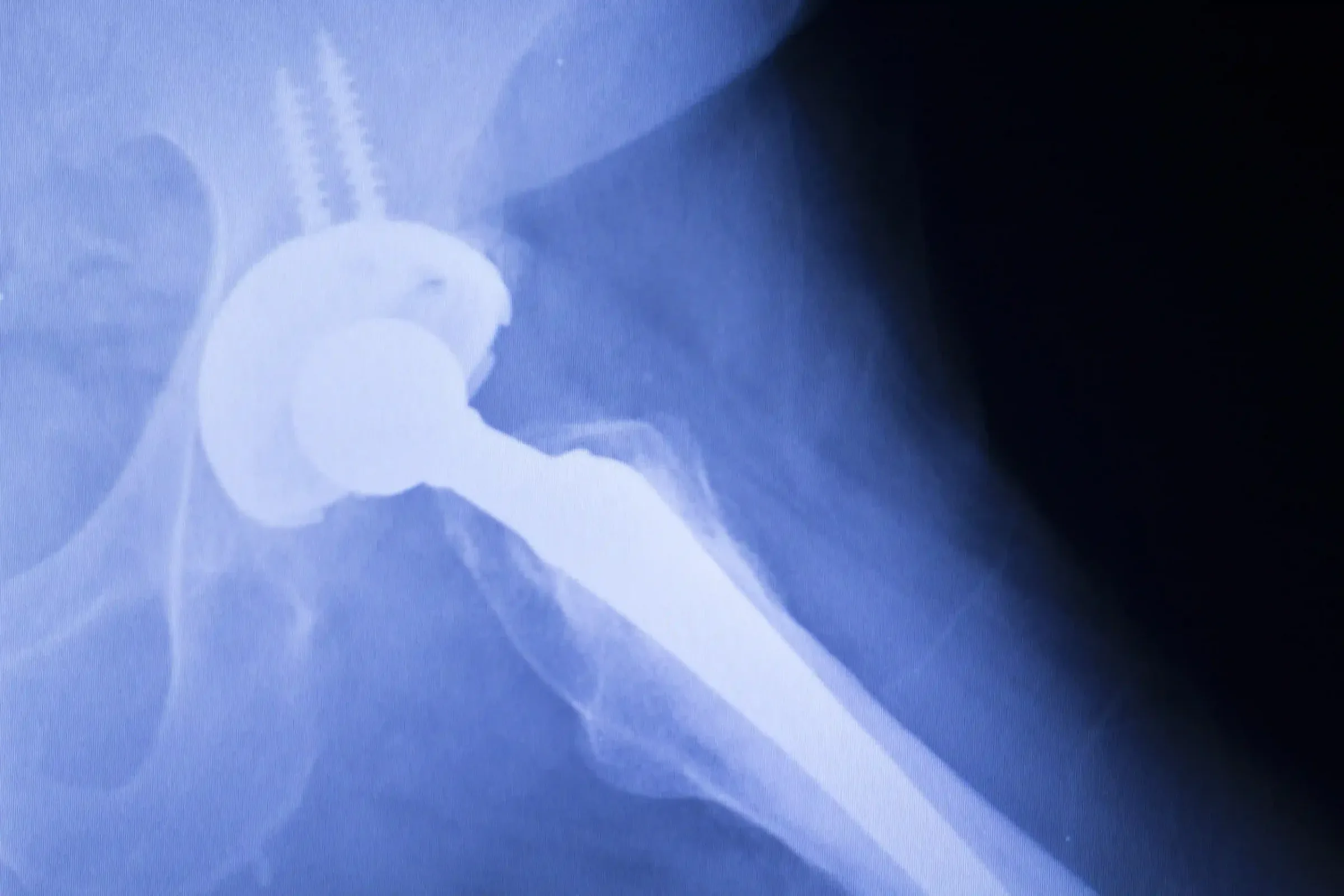
According to the FDA’s Concerns about Metal-on-Metal Hip Implants page, a metal-on-metal hip implant has a metal ball and a metal cup that slide against each other during walking or running. This can release tiny metal particles [10]. Metal can also be released where two implant components connect, and some cobalt and chromium ions enter the bloodstream. The New York Times describes the ASR as an all-metal device.Who May Be Affected?
People who received a DePuy ASR XL Acetabular System or ASR Hip Resurfacing System, both recalled in August 2010, may be affected, as may people whose implant was later revised. Others include people with a metal-on-metal hip and hip or groin pain, swelling, numbness or weakness, which the FDA lists as local symptoms. The FDA says some groups should follow up more often with a metal-on-metal implant: women, patients with implants on both sides, patients on high doses of corticosteroids, and people with resurfacing devices whose femoral heads are 44 mm or less. As MassDevice reported, the 2013 U.S. settlement did not cover hip replacement surgeries performed after August 31, 2013. Only an individual legal review can say whether your situation qualifies.Think you may qualify?
Schmidt & Clark offers a free case review for people who had a DePuy ASR hip implant revised. The main U.S. settlement program covered revisions on or before January 31, 2015. A review does not promise eligibility or any result.
Start My Free Case Review
Reported Injuries or Damages
The FDA says metal particles around some metal-on-metal implants can damage the bone and tissue around the implant and joint. This is called an adverse local tissue reaction (ALTR). Soft tissue damage may lead to pain, implant loosening, device failure and the need for revision surgery, the FDA says. Per the New York Times, all-metal parts can grind together. This releases metallic debris that damages tissue and bone. DePuy’s follow-up advice in the FDA recall record is about scans. If an MRI or ultrasound reveals soft tissue reactions, fluid collections or tissue masses, it says revision surgery should be considered. According to the Newcastle University presentation, the 2010 UK National Joint Registry gave a five-year revision rate of 12.0% for the ASR, against 4.3% for the Birmingham Hip Resurfacing. The same presentation quotes the Australian Joint Registry as saying in 2007 that the ASR has twice the risk of revision compared to all other resurfacing procedures. These are registry figures and not findings about any one patient. The FDA patient information page tells people with new or worsening hip symptoms to contact their orthopaedic surgeon right away [11].Recall and Regulatory Background
DePuy withdrew the ASR from the Australian market in December 2009. A recall does not necessarily mean the device must be removed, the FDA says, so discuss the reason for any recall with your surgeon. The FDA published a final order in February 2016 requiring premarket approval for metal-on-metal total hips. As of its September 2019 update, no FDA-approved metal-on-metal total hip replacement is marketed in the U.S. [12]. People with a different implant, such as the Wright Conserve, can read the Wright Conserve hip lawsuit page for that device.Evidence to Preserve
Records that may help show what implant you received and what happened afterward include:- The implant sticker or label with lot and catalog numbers, or the surgeon’s record of the product
- Operative reports for the hip replacement and any revision
- The removed implant, if the surgeon returns it to you or keeps it
- Blood cobalt and chromium test results
- MRI, ultrasound and X-ray reports
- Doctor visit notes recording hip symptoms
- Bills, receipts and insurance records for care and lost work
- Letters from DePuy, a hospital or a settlement administrator
Filing Deadlines
State law sets the deadline for an injury claim. It depends on where a person lives and on when the injury, the revision surgery and the diagnosis happened. Some states start the clock at diagnosis. A claim can end if a deadline is missed, even with strong facts. Anyone considering a DePuy ASR claim should speak with a lawyer promptly.Potential Compensation
A medical device claim that is allowed may cover medical expenses, including revision surgery and follow-up care, lost income, and pain and suffering. MassDevice reported that the 2013 U.S. settlement would pay $250,000 each to about 8,000 patients, plus a $475 million fund for extraordinary medical costs, at an estimated $2.5 billion. Compensation amounts vary by case. Past results do not guarantee future outcomes. Judge Katz wrote that the timing and amount of any potential compensation “will depend on a number of factors and circumstances specific to each claim.” Related Articles:Frequently Asked Questions
Has the DePuy ASR Hip Replacement Recall Ended?
The DePuy ASR hip replacement recall has ended, because the FDA terminated the recall on August 29, 2013. The recall’s follow-up advice included a repeat blood test three months later if either cobalt or chromium level was above 7 parts per billion.Why Was the DePuy ASR Hip Replacement Recalled?
The DePuy ASR hip replacement was recalled because the FDA recall record gives the cause as device design. In the FDA recall record, DePuy gave its reason as ongoing post-market surveillance of registry data, published literature and complaints data.What Does the Research Say About DePuy ASR Hip Replacement Soft Tissue Injury?
The research on DePuy ASR hip replacement soft tissue injury includes a 2011 study of 4,226 hips on adverse reaction to metal debris. A Newcastle University presentation says the ASR performed far worse than two comparison implants. The FDA says it cannot predict who will react.Did DePuy Back Out of the ASR Hip Settlement?
DePuy did not back out of the ASR hip settlement. In May 2014 it told the court it was waiving its right to walk away, ahead of a June 1, 2014 decision deadline. Court filings said most eligible patients had opted into the program.How Many Lawsuits Were Filed over the DePuy ASR Hip?
Lawsuits over the DePuy ASR hip numbered over 10,000 as of January 22, 2013, according to The New York Times. It described the first ASR trial as the first of those cases.What Symptoms Can a Failing Metal-on-Metal Hip Cause Besides Hip Pain?
A failing metal-on-metal hip may cause symptoms beyond hip pain. The FDA lists systemic symptoms involving the skin, kidney, heart, thyroid and nervous system, and noises such as popping, grinding, clicking or squeaking. The FDA adds that there are many possible reasons for symptoms.References
- https://www.ohnd.uscourts.gov/sites/ohnd/files/MDL2197-Joint-Status-Report-Re-Settlement-Program.pdf
- https://www.jpml.uscourts.gov/sites/jpml/files/Pending_MDL_Dockets_By_MDL_Number-August-3-2026.pdf
- https://www.ohnd.uscourts.gov/sites/ohnd/files/MDL2197-Order-637.pdf
- https://www.massdevice.com/johnson-johnson-commits-25b-depuy-asr-settlement-deal/
- https://www.accessdata.fda.gov/scripts/cdrh/cfdocs/cfRes/res.cfm?id=96108
- https://www.nytimes.com/2013/01/23/business/jj-study-suggested-hip-device-could-fail-in-thousands-more.html
- https://www.accessdata.fda.gov/scripts/cdrh/cfdocs/cfRes/res.cfm?id=96111
- https://www.ohnd.uscourts.gov/sites/ohnd/files/MDL2197-10md2197TransferOrder.pdf
- https://research.ncl.ac.uk/metalhip/resources/ASR%20artificial%20hip%20joint%20history%20and%20results%20tom%20joyce.pdf
- https://www.fda.gov/medical-devices/metal-metal-hip-implants/concerns-about-metal-metal-hip-implants
- https://www.fda.gov/medical-devices/metal-metal-hip-implants/metal-metal-hip-implants-information-patients
- https://www.fda.gov/medical-devices/implants-and-prosthetics/metal-metal-hip-implants