

Table of contents
- Latest the Kebab Shop Beef Kofta Lawsuit Updates
- June 1, 2026: FSIS Matches Kofta Samples to the Outbreak Strain
- May 29, 2026: Los Angeles County Suit Filed
- May 28, 2026: Orange County Suit Announced
- May 24, 2026: FSIS Issues a Public Health Alert
- May 22, 2026: CDPH Announces an Outbreak Investigation
- May 18, 2026: The Kebab Shop Stops Beef Kofta Sales
- What Is E. Coli O157:H7?
- Who May Be Affected?
- Reported Injuries or Damages
- Recall and Regulatory Background
- Evidence to Preserve
- Filing Deadlines
- Potential Compensation
- Frequently Asked Questions
- Is There a Lawsuit over the Kebab Shop Beef Kofta?
- Can I Join the Kebab Shop Beef Kofta Lawsuit?
- Has the Kebab Shop Responded to the Lawsuits?
- What Temperature Should Ground Beef Reach to Avoid E. Coli?
- How Can I Contact the Kebab Shop About Food Safety?
- References
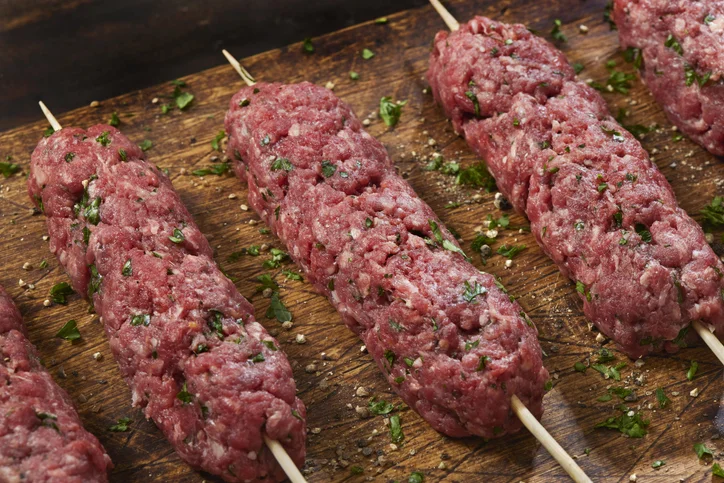
Beef kofta served at The Kebab Shop restaurants has been linked to an E. coli O157:H7 outbreak in California. Families have filed lawsuits alleging children developed bloody diarrhea, hemolytic uremic syndrome and kidney failure after eating it.
Individual suits name TKS Restaurants, LLC and its supplier, Olympia Food Industries, in Orange County and Los Angeles County. No MDL has been formed and no court has ruled. USDA issued a public health alert, and no recall was requested.
CDPH counted nine infected California residents as of May 19, 2026, six of them children. FSIS later matched beef kofta samples from Olympia to the outbreak strain.
Lawsuit at a glance
- Case or litigation name: Individual E. coli lawsuits over The Kebab Shop beef kofta
- Defendants: TKS Restaurants, LLC (The Kebab Shop) and Olympia Food Industries, Inc. (Olympia Foods)
- Court and docket number, when available: Orange County Superior Court and Los Angeles County Superior Court; docket numbers not stated
- MDL number, judge, and case count, when an MDL exists: No MDL
- Filing date: May 28, 2026 (Orange County, announced) and May 29, 2026 (Los Angeles County)
- Main allegations: Alleged contaminated beef kofta causing E. coli infection and kidney injury (hemolytic uremic syndrome); negligence, strict product liability and breach of implied warranty
- Products or people involved: Beef kofta served at The Kebab Shop; Olympia Foods raw ground beef produced January 6, 2026; nine California illnesses, six in children
Latest the Kebab Shop Beef Kofta Lawsuit Updates
June 1, 2026: FSIS Matches Kofta Samples to the Outbreak Strain
The USDA Food Safety and Inspection Service added an editor’s note to its public health alert. Whole genome sequencing showed that beef kofta samples it collected matched the outbreak strain of E. coli O157:H7 [1]. The samples were produced at Olympia Food Industries. This is a regulator finding on the samples. Olympia is the supplier named in the lawsuits.May 29, 2026: Los Angeles County Suit Filed
KTLA reported a suit filed in Los Angeles County Superior Court for a child identified as J.A.K. and his mother [2]. It names TKS Restaurants, LLC, which operates The Kebab Shop, and Olympia Food Industries, Inc. The complaint alleges strict product liability, negligence, breach of implied warranty and violations of federal food safety laws and USDA performance standards. These allegations are not findings.May 28, 2026: Orange County Suit Announced
The San Diego Union-Tribune reported a suit in Orange County Superior Court by Jeffrey Gogue for his 3-year-old daughter [3]. It names The Kebab Shop and Olympia Foods. Attorney Ron Simon announced it. Simon said the suits are individual and his firm does not file class actions. No MDL has been formed for these cases.May 24, 2026: FSIS Issues a Public Health Alert
FSIS issued public health alert PHA-05242026-01 for beef kofta sold by The Kebab Shop in California, Texas and Florida. The alert says the beef kofta may be contaminated with STEC O157:H7. FSIS said the beef kofta was produced as raw ground beef by Olympia Food Industries (establishment 18743) in Franklin Park, Illinois, on January 6, 2026.May 22, 2026: CDPH Announces an Outbreak Investigation
The California Department of Public Health issued a news release on the outbreak. CDPH announced an investigation of the outbreak linked to beef kofta [4]. As of May 19, 2026, nine California residents were infected with the outbreak strain, and six were children. CDPH said interviews with ill individuals indicate that the grilled kofta from The Kebab Shop is the likely outbreak source.May 18, 2026: The Kebab Shop Stops Beef Kofta Sales
The Kebab Shop stopped all sales of ground beef (beef kofta) nationwide on May 18, 2026, according to The Kebab Shop food safety update [5]. CDPH described the pause as voluntary and covering all locations. The company says it stopped sales after CDPH linked the product as a potential source of the outbreak. The pause is the company’s own account. It came before the FSIS alert and the first lawsuits.What Is E. Coli O157:H7?
According to the California Department of Public Health, Shiga toxin-producing E. coli, or STEC, is a type of E. coli bacteria that makes a toxin (poison) that can make some people very sick [6]. People can get infected by eating or drinking something contaminated with animal or human feces. The strain named in this outbreak is E. coli O157:H7, which FSIS calls STEC O157:H7.Who May Be Affected?
People who ate beef kofta at any Kebab Shop location and developed symptoms of STEC infection within 10 days may be affected. Reported illness onsets ran from March 27, 2026 to April 30, 2026. Symptoms include diarrhea, often bloody, vomiting and abdominal cramps. They usually start three to four days after infection. Most people recover within a week, and anyone with symptoms should call a health care provider. Young children are at highest risk of hemolytic uremic syndrome, or HUS. It is a severe complication that can lead to acute kidney failure. The Kebab Shop FAQs say customers who ate the beef kofta before May 19 may be added to the outbreak through genetic testing [7]. Only an individual legal review can tell you whether you may qualify.Think you may qualify?
Schmidt & Clark offers a free case review for people who became ill after eating beef kofta at The Kebab Shop restaurants. A review does not promise eligibility or any result.
Start My Free Case Review
Reported Injuries or Damages
The complaints allege bloody diarrhea, nausea, vomiting, dehydration, acute kidney failure and hemolytic uremic syndrome. These are allegations the defendants have not admitted. The Orange County complaint says the 3-year-old was hospitalized for 17 days and faces a lifelong recovery after a kidney injury. Attorneys for J.A.K. say he needed dialysis and blood transfusions and had seizures. CDPH reported that five of the infected patients were hospitalized and two developed HUS. No deaths were reported as of May 19, 2026. Regulator reports are separate from the complaints. Reports are not proof that the beef kofta caused every illness. Each complaint describes the injuries of one child only.Recall and Regulatory Background
No recall was requested for the beef kofta. FSIS said a recall was not requested because the products are no longer available for purchase. The Kebab Shop says Olympia Foods is no longer its supplier. An FSIS alert does not by itself establish liability.Evidence to Preserve
Keep anything that shows what you ate, when you got sick and what it cost you:- Receipts, card statements or app orders showing a Kebab Shop beef kofta purchase, with its date and location
- Photographs of the food or packaging
- Medical records, hospital bills and stool test results
- A symptom diary with onset dates
- Names of others who ate the same meal
- Messages with the restaurant or the health department
- Any contact from public health investigators
Filing Deadlines
Filing deadlines for injury claims exist and are set by state law. They vary with where you live, so a friend’s deadline may not match yours. Deadlines also depend on when the illness, injury and diagnosis happened, and in some states the clock starts at diagnosis. Missing one can end a claim even with strong facts, so speak with a lawyer promptly.Potential Compensation
The Orange County complaint seeks unspecified economic and non-economic damages, plus court costs and attorney fees. In a case of this kind, categories can include medical expenses, lost income, pain and suffering and long-term care. Compensation amounts vary by case. Past results do not guarantee future outcomes. Your own medical records and diagnosis help shape potential compensation.Frequently Asked Questions
Is There a Lawsuit over the Kebab Shop Beef Kofta?
Yes, there are lawsuits over The Kebab Shop beef kofta. Two families have filed individual personal-injury suits, one in Orange County and one in Los Angeles County, both in May 2026.Can I Join the Kebab Shop Beef Kofta Lawsuit?
Whether you can join The Kebab Shop beef kofta lawsuit depends on your own facts. The suits filed so far each cover one family, and attorney Ron Simon says he represents several families in separate suits.Has the Kebab Shop Responded to the Lawsuits?
The Kebab Shop has responded to the lawsuits by saying it is company policy not to comment on the specifics of ongoing legal proceedings. It also says it will not return ground beef kofta to the menu until health officials and its internal team are convinced issues are resolved.What Temperature Should Ground Beef Reach to Avoid E. Coli?
Ground beef should reach an internal temperature of 160°F to avoid E. coli, according to general advice from CDPH and FSIS. That advice applies to all ground beef and to any dish made from it.How Can I Contact the Kebab Shop About Food Safety?
You can contact The Kebab Shop about food safety at 888-965-5821 or FoodSafety@thekebabshop.com, the contact details FSIS listed in its public health alert. Report any symptoms to your health care provider as well.References
- https://www.fsis.usda.gov/recalls-alerts/fsis-issues-public-health-alert-beef-kofta-products-served-kebab-shop-restaurant
- https://ktla.com/news/local-news/family-suing-popular-kebab-chain-after-child-hospitalized-from-e-coli-outbreak-in-l-a/amp/
- https://www.sandiegouniontribune.com/2026/05/28/kebab-shop-and-its-beef-supplier-targeted-in-e-coli-lawsuit/
- https://www.cdph.ca.gov/Programs/OPA/Pages/NR26-022.aspx
- https://www.thekebabshop.com/food-safety-update/
- https://www.cdph.ca.gov/Programs/CID/DCDC/Pages/Shiga-toxin-producing-Escherichia-coli.aspx
- https://www.thekebabshop.com/food-safety-faqs/