

Table of contents
- Latest Nitrous Oxide Lawsuit Updates
- September 16, 2026: House Committee Votes 36-0 on Nitrous Oxide Bill
- March 16, 2026: Nitrous Oxide Safety Act Introduced
- June 4, 2025: FDA Adds Three Brands to Advisory
- March 14, 2025: FDA Warns Against Inhaling Nitrous Oxide
- February 28, 2025: Law360 Reports Class Action Against Galaxy Gas
- What Is Nitrous Oxide?
- Who May Be Affected?
- Reported Injuries or Damages
- Recall and Regulatory Background
- Evidence to Preserve
- Filing Deadlines
- Frequently Asked Questions
- Is There a Safe Level of Nitrous Oxide Inhalation?
- Is Nitrous Oxide Getting Banned?
- How Do I Report a Nitrous Oxide Injury?
- How Are Flavored Nitrous Oxide Canisters Marketed?
- Would the Nitrous Oxide Bill Affect Whipped Cream?
- Can Nitrous Oxide Have Permanent Effects?
- Is There a Nitrous Oxide Class Action Lawsuit?
- References
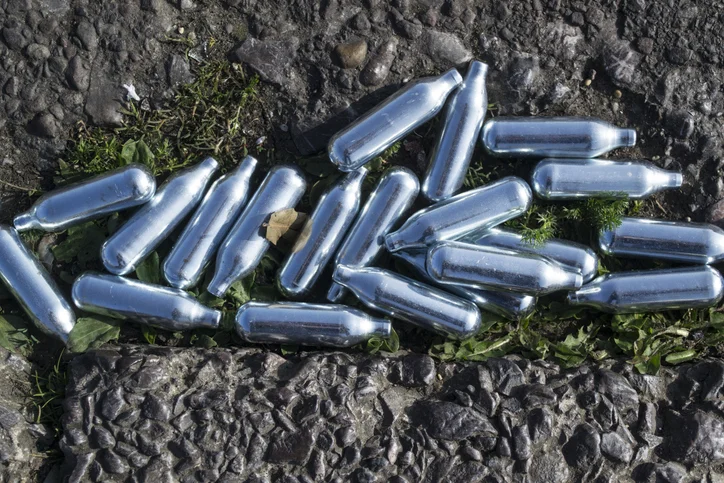
Flavored nitrous oxide canisters sold under names such as Galaxy Gas have drawn an FDA warning and a lawsuit. The FDA says inhaling the gas can cause serious harm, including paralysis, spinal cord or brain damage and death.
A putative class action against Galaxy Gas is pending in the Northern District of Georgia, with no MDL formed. The plaintiff alleges the company sold flavored nitrous oxide as a culinary tool while hiding that it is addictive.
The FDA advises consumers to stop using these products for inhalation and to contact a health care provider about symptoms. A House bill would ban consumer sales.
Lawsuit at a glance
- Case or litigation name: Iannotti v. Galaxy Gas, LLC et al (putative class action)
- Defendants: Galaxy Gas, LLC et al
- Court and docket number, when available: U.S. District Court, Northern District of Georgia, 1:25-cv-01037 (Law360 case page)
- MDL number, judge, and case count, when an MDL exists: No MDL
- Filing date: February 28, 2025 (as reported by Law360)
- Main allegations: Alleged marketing and sale of flavored nitrous oxide as a “culinary tool” while hiding that it is commonly abused, addictive and dangerous (allegations in the complaint, not findings)
- Products or people involved: Users of flavored nitrous oxide canisters sold by Galaxy Gas
Latest Nitrous Oxide Lawsuit Updates
September 16, 2026: House Committee Votes 36-0 on Nitrous Oxide Bill
The House Energy and Commerce Committee voted 36-0 to order the Nitrous Oxide Safety Act (H.R.7945) reported, according to Congress.gov [1]. The bill would prohibit the sale of nitrous oxide products to consumers for household use.March 16, 2026: Nitrous Oxide Safety Act Introduced
Rep. Kevin Mullin (D-CA-15) introduced the Nitrous Oxide Safety Act of 2026 (H.R.7945). It would keep access for medical, dental, industrial, food production, automotive and research uses [2]. Congress.gov lists 22 cosponsors.June 4, 2025: FDA Adds Three Brands to Advisory
The FDA updated the list of product brand names in its advisory to include ExoticWhip, FastGas and NITROX [3]. The list already named brands such as Galaxy Gas and Baking Bad.March 14, 2025: FDA Warns Against Inhaling Nitrous Oxide
The FDA warned consumers not to inhale or recreationally use any flavor of nitrous oxide in any size canister, tank or charger. It also advised anyone with symptoms to contact a health care provider.February 28, 2025: Law360 Reports Class Action Against Galaxy Gas
Law360 reported that Galaxy Gas, maker of flavored nitrous oxide dispensers, was “hit with a putative class action Friday”. The case is Iannotti v. Galaxy Gas, LLC et al, 1:25-cv-01037.What Is Nitrous Oxide?
According to the FDA, nitrous oxide canisters, tanks and chargers are marketed as unflavored and flavored products. They are sold as a food processing propellant for whipped cream and culinary food use. InvestigateTV describes nitrous oxide as “laughing gas,” used in dental and medical offices as well as culinary and industrial settings [4].Who May Be Affected?
People who inhaled nitrous oxide from a canister, tank or charger of any size, flavored or unflavored, are the people the FDA warning addresses. The FDA says these products are sold online and at retailers including Amazon.com, Ebay, Walmart, smoke/vape shops and gas stations. The FDA lists brands including Galaxy Gas, Baking Bad, Cosmic Gas, HOTWHIP, MassGass, Monster Gas, Whip-it!, Euro Gas, Goo Sticks, Cloud 9ine, Miami Magic and InfusionMax. An individual legal review is needed before anyone can say whether you qualify.Think you may qualify?
Schmidt & Clark offers a free case review for people who were harmed after inhaling nitrous oxide canisters. The review looks at your own facts and symptoms. A review does not promise eligibility or any result.
Start My Free Case Review
Reported Injuries or Damages
The FDA says it has observed an increase in reports of adverse events after inhalation of nitrous oxide products. That is an agency statement. It is not a court finding. The FDA lists these symptoms and health problems from inhaling nitrous oxide:- Abnormal blood counts, blood clots and vitamin B12 deficiency
- Asphyxiation, frostbite and loss of consciousness
- Headache, lightheadedness and palpitations
- Numbness, tingling, limb weakness, paralysis and trouble walking
- Impaired bowel and bladder function
- Psychiatric disturbances such as delusions, hallucinations, paranoia and depression
- In some cases, death
Recall and Regulatory Background
No recall exists for nitrous oxide canisters. The FDA issued an advisory rather than a recall. H.R.7945 awaits a vote of the full House and has not passed the House or the Senate.Evidence to Preserve
Keep anything that shows what you used, where you got it and how it affected you:- Canisters, tanks and packaging, with brand names and any lot or product codes
- Receipts and order confirmations, and the name of the seller, online or in a store
- Photographs of the products and their labels
- Medical records and test results, including vitamin B12 levels
- Medication lists from your doctors and pharmacies
- Messages and notes on when and how often you used the product
- Any report you made to the FDA or a health care provider
Filing Deadlines
Every injury claim has a time limit set by state law. Your deadline depends on your state and on when the injury, the illness and the diagnosis happened. Some states start the clock when a doctor makes the diagnosis. Filing too late can end a claim even when the facts are strong. Talk to a lawyer soon so you know which limit applies in your case.Frequently Asked Questions
Is There a Safe Level of Nitrous Oxide Inhalation?
There is no safe level of nitrous oxide inhalation outside strict clinical protocols. Rep. Mullin, who sponsors the Nitrous Oxide Safety Act, says public health experts warn of that danger.Is Nitrous Oxide Getting Banned?
Nitrous oxide is not banned yet. Besides the House bill, a separate Senate bill, the Nitrous Oxide Inhalation Prevention Act, was sent to the Senate Committee on Health, Education, Labor and Pensions.How Do I Report a Nitrous Oxide Injury?
You can report a nitrous oxide injury to the FDA. Call 1-888-INFO-FDA (1-888-463-6332) or use the FDA’s Industry and Consumer Assistance page to report a complaint or adverse event. Tell your health care provider as well.How Are Flavored Nitrous Oxide Canisters Marketed?
Flavored nitrous oxide canisters are marketed with neon colors, sweet flavor descriptors and images of people partying on the beach, Rep. Mullin says. He adds that social media trends are fueling misuse among teens and young adults.Would the Nitrous Oxide Bill Affect Whipped Cream?
The nitrous oxide bill would not end sales of whipped cream. It would allow continued sale of multi-ingredient food products that contain nitrous oxide as a component. One example is whipped cream canisters used in commercial and household cooking.Can Nitrous Oxide Have Permanent Effects?
Nitrous oxide can have lasting effects for some people. The FDA says regular inhalation can lead to prolonged neurological effects, including spinal cord or brain damage, even after stopping use.Is There a Nitrous Oxide Class Action Lawsuit?
A nitrous oxide class action lawsuit exists. The putative class action named Iannotti v. Galaxy Gas is assigned to Judge Mark H. Cohen, according to Law360’s case page. The complaint’s claims against Galaxy Gas are allegations only.References
- https://www.congress.gov/bill/119th-congress/house-bill/7945/actions
- https://kevinmullin.house.gov/nitrous-oxide-safety-act/
- https://www.fda.gov/food/alerts-advisories-safety-information/fda-advises-consumers-not-inhale-nitrous-oxide-products
- https://www.kjct8.com/2026/09/16/proposed-nitrous-oxide-ban-clears-congressional-hurdle-goes-full-house-vote/