

Table of contents
- Latest Insulet Insulin Pump Lawsuit Updates
- July 2, 2026: FDA Classifies the Second Correction as Class I
- June 4, 2026: FDA Issues an Early Alert
- May 26, 2026: Insulet Starts a Second Correction
- April 30, 2026: FDA Corrects the Injury Count
- April 29, 2026: FDA Confirms a Class I Recall
- April 10, 2026: Insulet Expands the Affected Lots
- March 18, 2026: FDA Issues an Early Alert
- March 12, 2026: Insulet Announces a Voluntary Correction
- What Is an Omnipod Pod?
- Who May Be Affected?
- Reported Injuries or Damages
- Recall and Regulatory Background
- Evidence to Preserve
- Filing Deadlines
- Frequently Asked Questions
- Is There a Recall on Omnipods in 2026?
- What Does the Research Say About Under-Delivery?
- How Can I Check Whether My Omnipod Lot Is Affected?
- Does the Omnipod Recall Affect CGM Readings?
- References
Some Omnipod 5, Omnipod DASH and Omnipod Eros Pods from Insulet Corporation may have a small tear in the tubing. Insulin can leak instead of reaching the body, which may cause high blood glucose and diabetic ketoacidosis (DKA).
The FDA has classified two Insulet corrections as Class I recalls, its most serious type. Insulet has reported serious injuries to the FDA, but no deaths. No personal-injury lawsuit or MDL names these Pods.
If you used an affected Pod, stop using Pods from affected lots and check your lot number. Both corrections cover certain lots, and the FDA says expired Pods are included, so check even Pods you no longer use.
Lawsuit at a glance
- Case or litigation name: No injury case or MDL
- Defendants: None named
- Court and docket number, when available: No filed injury case
- MDL number, judge, and case count, when an MDL exists: No MDL
- Filing date: No filing yet
- Main allegations: No court allegations; the FDA reports Pods from certain lots with a tear in the tubing can leak insulin, causing under-delivery, high blood glucose and diabetic ketoacidosis
- Products or people involved: Omnipod 5, Omnipod DASH and Omnipod Eros Pods from affected lots; people who used them
Latest Insulet Insulin Pump Lawsuit Updates
July 2, 2026: FDA Classifies the Second Correction as Class I
The FDA classified Insulet‘s second correction, which covers Omnipod 5, Omnipod DASH and Omnipod Eros Pods, as a Class I recall [1]. The FDA calls this the most serious type of recall. The device may cause serious injury or death if you continue to use it. Insulet’s notice lists the affected lots.June 4, 2026: FDA Issues an Early Alert
On June 4, 2026, the FDA issued an Early Alert for Insulet’s second correction. It covers the Pods in the May 26 correction.May 26, 2026: Insulet Starts a Second Correction
Insulet began a second voluntary correction on May 26, 2026, according to Insulet’s May 26 notice [2]. The notice applies to certain lots of all three Pod types.April 30, 2026: FDA Corrects the Injury Count
On April 30, 2026, the FDA’s April notice on the first correction was updated, based on new information from Insulet [3]. The FDA corrected the number of serious injuries reported by Insulet to 29 as of April 17, 2026, with no deaths. It also clarified that expired affected lots are included.April 29, 2026: FDA Confirms a Class I Recall
On April 29, 2026, the FDA confirmed that the first Omnipod 5 Pod correction is a Class I recall for Omnipod 5 Pods from the affected lots. The update also added the expired lots that Insulet told customers about on April 10, 2026. Those Pods are now part of the recall notice.April 10, 2026: Insulet Expands the Affected Lots
On April 10, 2026, Insulet sent all affected customers an updated letter. It expanded the list of affected Omnipod 5 Pod lots to include Pods that have expired. Insulet’s letter also said users may not be able to detect the Pod defect. The FDA added these expired lots to its notice on April 29.March 18, 2026: FDA Issues an Early Alert
The FDA sent an Early Alert for the first correction on March 18, 2026. It aimed to notify the public of a potentially high-risk device issue.March 12, 2026: Insulet Announces a Voluntary Correction
On March 12, 2026, Insulet announced a voluntary medical device correction for certain Omnipod 5 Pod lots, according to Insulet’s March 12 notice [4]. The company reported 18 serious adverse events and no deaths. The FDA posted the announcement on March 13, 2026. Insulet asked users to request replacement Pods from Insulet at no cost.What Is an Omnipod Pod?
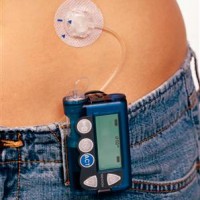
Insulet’s announcement posted by the FDA calls the Omnipod Insulin Management System “a unique alternative to traditional insulin delivery methods.” The “tubeless disposable Pod” “provides up to three days of non-stop insulin delivery” [5]. The FDA says Omnipod is intended for the subcutaneous delivery of insulin. It delivers insulin at set and variable rates for the management of diabetes mellitus in persons requiring insulin. The corrections cover certain Pod lots.Who May Be Affected?
You may be affected if you used Omnipod 5 Pods from the March 12, 2026 correction. You may also be affected by the May 26, 2026 correction, which adds DASH and Eros Pods. The FDA says all Pods in one box come from a single lot. The risk of under-delivery increases if a user applies more than one affected Pod in a row. In some cases, there may be no alarm or alert. The FDA and Insulet advise these steps:- Check the lot number on the Pod tray lid, the Pod box or the Pod itself.
- Ask for replacements and a return kit for unused affected Pods.
- Call Insulet Product Support at 1-800-641-2049, available 24/7.
- Report problems to the FDA.
Think you may qualify?
Schmidt & Clark offers a free case review to people who believe an Omnipod Pod injured them. A review does not promise eligibility or any result.
Start My Free Case Review
Reported Injuries or Damages
The figures below are reports Insulet made to the FDA. They are not court allegations or findings, and they do not prove the Pods caused every injury. The FDA’s Class I notice for the first correction was updated April 30, 2026. Insulet reported 29 serious injuries as of April 17, with no deaths. The notice for the second correction, updated July 2, 2026, lists 24 serious injuries and no deaths as of May 20. It warns, “Do not rely only on Pod alerts to know if something is wrong.” Under-delivery can cause high blood glucose. In the most severe cases, prolonged and persistent high blood glucose levels can lead to DKA. The FDA calls DKA a serious medical condition that requires prompt medical treatment and can be life-threatening if not treated.Recall and Regulatory Background
Both corrections are FDA Class I recalls of Omnipod Pods. The first covers certain lots of Omnipod 5 Pods. The second adds Omnipod DASH and Omnipod Eros lots. MDDI reports roughly 7 million Pods are in the second action, about 60% of which have been consumed or are expired [6]. MDDI says they represent about 8.5% of 2025 global Omnipod Pod production. A recall does not by itself prove liability. No injury lawsuit or MDL names these Pods. Reports of harm in the notices are not court findings.Evidence to Preserve
Keep anything that shows which Pods you used and what happened afterward:- Lot numbers for every Pod you used
- The Pods, packaging, and any unused Pods or return kit
- Purchase and replacement records
- Insulet letters, emails and support contacts
- Glucose and CGM readings, plus pump or app history around the failure
- Medical records, hospital bills and DKA treatment records
- Photographs of leaks, wet adhesive or skin
Filing Deadlines
Filing deadlines come from state law. They vary with where a person lives and when the injury and its cause were discovered. For Omnipod injuries, a missed deadline may bar a claim however strong the evidence looks. Ask a lawyer promptly about the filing deadline that applies to your situation.Frequently Asked Questions
Is There a Recall on Omnipods in 2026?
Yes, there is a recall on Omnipods in 2026. The FDA lists two Class I actions. Its notices name only Omnipod Pods and say nothing about other insulin pump brands.What Does the Research Say About Under-Delivery?
The research on Pod under-delivery in the FDA’s recall notices points to a tear in the tubing that can leak insulin. The FDA says users cannot always detect the defect, so a failing Pod may give no alert.How Can I Check Whether My Omnipod Lot Is Affected?
You can check whether your Omnipod lot is affected at omnipod.com/check-pods. Insulet also offers live agent chat at omnipod.com/current-podders, and Insulet Product Support can help you read a lot number.Does the Omnipod Recall Affect CGM Readings?
The Omnipod recall does not affect CGM readings, according to the FDA. The issue does not affect continuous glucose monitoring systems. Talk to a health care provider about other insulin delivery if your supply runs out.References
- https://www.fda.gov/medical-devices/medical-device-recalls-and-early-alerts/insulin-pump-recall-insulet-removes-omnipod-pods
- https://www.omnipod.com/mdc-5-26
- https://www.fda.gov/medical-devices/medical-device-recalls-and-early-alerts/insulin-pump-recall-insulet-removes-certain-omnipod-5-pods
- https://www.omnipod.com/mdc-3-26
- https://www.fda.gov/safety/recalls-market-withdrawals-safety-alerts/insulet-initiates-voluntary-medical-device-correction-certain-omnipodr-5-pods-us
- https://www.mddionline.com/diabetes/insulet-issues-voluntary-recall-of-7m-omnipod-devices-due-to-insulin-under-delivery-risk