

Table of contents
- Latest Hyundai Palisade Recall Updates
- April 13, 2026: Consumer Reports Details the Finalized Software Fix
- April 8, 2026: Hyundai Finalizes Fix, Dealers Resume Sales
- March 24, 2026: South Korea Recalls 58,000 Palisade Hybrid SUVs
- March 19, 2026: NHTSA Opens VIN Lookup for Campaign 26V160
- March 17, 2026: Hyundai Files Its Part 573 Report with NHTSA
- March 13, 2026: Hyundai Announces Stop-Sale and Recall
- March 7, 2026: Ohio Toddler Dies in Third-Row Seat Incident
- Which Hyundai Palisade Vehicles Are Affected?
- Why Was the Hyundai Palisade Recalled?
- Reported Incidents, Injuries, or Illnesses
- What Should Consumers Do?
- Other Recalls, Warnings, or International Actions
- Legal Options
- Frequently Asked Questions
- Is the Hyundai Palisade Recall Still Active?
- How Many Hyundai Palisade SUVs Does the Recall Cover?
- What If You Own a Recalled Hyundai Palisade but Weren’t Injured?
- Is There a Lawsuit Against Hyundai for the Palisade Power Seat Recall?
- When Will Hyundai Notify Owners of the Palisade Recall?
- Was the Hyundai Palisade Recall Expanded to Other Countries?
- References
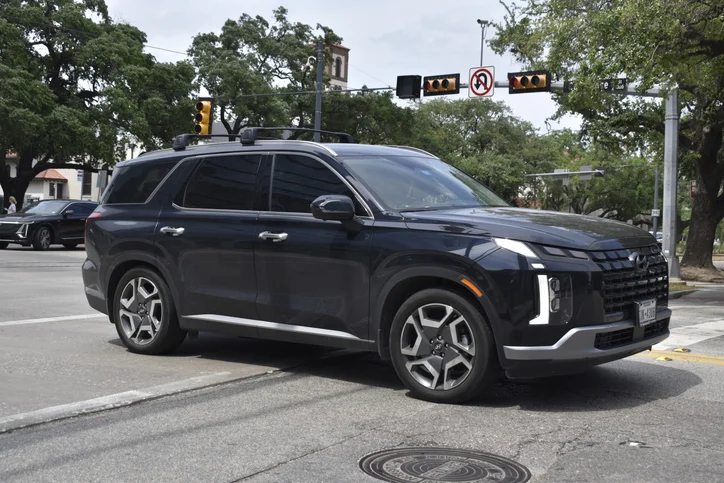
Hyundai recalled and stopped sales of 2026 Palisade and Palisade Hybrid Limited and Calligraphy trims after a fatal incident. It announced March 13, 2026, and NHTSA opened Campaign 26V160 on March 17. NHTSA has not said the recall is closed.
The recall covers about 61,093 U.S. vehicles, per Hyundai’s filing with NHTSA. It targets second- and third-row power seats. Those seats may fail to detect a person or object and keep moving, risking entrapment or injury.
Owners should use caution with the power seat controls until the software update is installed. Hyundai finalized a free fix April 8, 2026, delivered over the air or by a dealer, and dealers may now resume sales.
Recall at a glance
- Action type: Safety recall (NHTSA 26V160) + stop-sale of unrepaired trims
- Announcement and initiation dates: Announced Mar 13, 2026; NHTSA filed Mar 17
- Company and responsible agency: Hyundai Motor America and NHTSA (26V160)
- Recall or campaign number: NHTSA 26V160; Hyundai number 296
- Affected models, lots, UPCs, serial numbers, or VINs: 2026 Palisade & Palisade Hybrid, Limited/Calligraphy trims; Hybrid built August 11, 2025 to February 12, 2026; gas built May 8, 2025 to February 12, 2026; VIN lookup at NHTSA.gov
- Number of affected units: US: 61,093 (NHTSA); initial est. 60,515 US + 7,967 Canada
- Sold at and sale period: Not stated in the notice
- Hazard: Seat may not detect a person/object, keeps moving – entrapment/injury risk
- Reported incidents, injuries, illnesses, and deaths: 1 fatality, 4 minor injuries; 17 vehicles, claims August 15, 2025 through March 9, 2026
- Remedy: Caution with power seats; permanent free software fix (Apr 8, 2026), OTA/dealer install
Latest Hyundai Palisade Recall Updates
April 13, 2026: Consumer Reports Details the Finalized Software Fix
Consumer Reports detailed Hyundai’s finalized software fix for the power-seat defect [1]. The update requires the tailgate to be open before the stow function will run. It also disables the fold and slide controls on the infotainment screen. Owners must now press and hold the physical seat and cargo-area switches to fold or move a power seat. That is one of several changes in the newly finalized update.April 8, 2026: Hyundai Finalizes Fix, Dealers Resume Sales
Autoblog reported that Hyundai finalized its permanent fix for the seat-detection defect on April 8, 2026 [2]. The fix changes how the second- and third-row power seats detect people and objects during folding. Dealers may resume selling the 2026 Palisade once a vehicle has the update installed. Hyundai had held unsold vehicles back since the March stop-sale, and buyers who already own an affected SUV can request the same fix.March 24, 2026: South Korea Recalls 58,000 Palisade Hybrid SUVs
Reuters reported that South Korea’s Ministry of Land, Infrastructure and Transport recalled 58,000 Hyundai Palisade Hybrid SUVs nationwide [3]. The action addressed the same seat-detection defect found in the U.S. recall. The recall came after two overseas injury reports involving the same power seats. It covers Palisade Hybrid SUVs sold in South Korea, separate from the U.S. and Canadian figures. The Kia Telluride, a related model, had its own smaller recall.March 19, 2026: NHTSA Opens VIN Lookup for Campaign 26V160
NHTSA acknowledged Hyundai’s recall notification for Campaign 26V160 on March 19, 2026 [4]. The agency opened its VIN lookup tool so owners could check whether their Palisade or Palisade Hybrid was covered by entering the vehicle’s identification number. Owners can enter their vehicle identification number at NHTSA’s recall website to confirm coverage. The acknowledgment came two days after Hyundai filed its formal recall report.March 17, 2026: Hyundai Files Its Part 573 Report with NHTSA
Hyundai submitted its Part 573 Safety Recall Report to NHTSA on March 17, 2026 [5]. The filing listed 61,093 potentially affected vehicles in the United States. That total included 20,364 Palisade Hybrid SUVs, built between August 11, 2025, and February 12, 2026. It also included 40,729 gas-powered Palisade SUVs from an earlier production window. The filing described the seat-control defect and Hyundai’s planned remedy in detail.March 13, 2026: Hyundai Announces Stop-Sale and Recall
CBS News reported that Hyundai Motor America announced a stop-sale of 2026 Palisade Limited and Calligraphy trims on March 13, 2026 [6]. It also planned a recall of about 68,500 vehicles after a fatal power-seat incident. The estimate covered 60,515 vehicles in the United States and 7,967 in Canada. NHTSA’s later filing gave a more precise, higher U.S. figure once Hyundai finished its investigation.March 7, 2026: Ohio Toddler Dies in Third-Row Seat Incident
A 2-year-old girl in Ohio died on March 7, 2026, after a third-row power seat pinned her, the same Reuters report said. The tragedy prompted Hyundai’s recall decision days later. NHTSA said it was aware of the tragedy and in communication with Hyundai, the earlier CBS News report said. The agency’s own recall report later listed this case as the reason for the March 13 announcement.Which Hyundai Palisade Vehicles Are Affected?
The recall covers specific Hyundai Palisade and Palisade Hybrid trims, identified by these details:- 2026 Hyundai Palisade, Limited and Calligraphy trims (gas-powered, about 40,729 U.S. units)
- 2026 Hyundai Palisade Hybrid, Limited and Calligraphy trims (about 20,364 U.S. units)
- Second- and third-row power seat control units, part numbers 891P8-P9000/9100, 892P8-P9000/9100, and 891P9-P9000
- Hyundai’s initial estimate covered about 7,967 additional vehicles in Canada, separate from the U.S. total
Why Was the Hyundai Palisade Recalled?
Hyundai recalled 2026 Palisade and Palisade Hybrid models because their power seats may not detect a person or object while folding or sliding. The seat can keep moving and trap or injure someone, especially a child. NHTSA’s recall report ties the defect to the seats’ object-detection software in the second and third rows. The same power-fold and tilt-and-slide functions let occupants access the third row, which raised the risk when the seats failed to stop. Hyundai launched its investigation after a 2-year-old girl died in Ohio in a third-row seat incident in March 2026. The automaker’s internal review, along with NHTSA’s early inquiry, led to the nationwide recall within days.Reported Incidents, Injuries, or Illnesses
According to NHTSA’s recall report, Hyundai identified one fatality and four minor injuries connected to the power-seat defect. The fatality happened in the third row, and the minor injuries happened in the second row of affected SUVs. Hyundai logged claims for 17 unique vehicles between August 15, 2025, and March 9, 2026, the cutoff date in its recall filing. Seven claims involved the third-row fatality, and thirteen claims involved the second-row injuries. NHTSA reported no related crashes or fires tied to the defect as of that filing. A reported injury or death does not prove the seat caused every incident on this list.Were you or a family member hurt by this product?
Schmidt & Clark offers a free, confidential case review for anyone hurt by the Hyundai Palisade power-seat defect, including surviving family members. Requesting a review does not promise compensation or any particular case outcome.
Start My Free Case Review
What Should Consumers Do?
Owners of an affected 2026 Hyundai Palisade or Palisade Hybrid should take these steps:- Use caution with the second- and third-row power seat controls until the fix is installed.
- Keep children and objects clear of the seat and seat-folding area before operating a power seat.
- Avoid pressing the second-row one-touch tilt-and-slide button while someone is entering or exiting the third row.
- Install the free software update, finalized April 8, 2026, through an over-the-air update or at a Hyundai dealer.
- Contact Hyundai customer service at 1-855-371-9460 with questions about the recall or the fix.
- Contact NHTSA’s Vehicle Safety Hotline at 1-888-327-4236 (TTY 1-888-275-9171) to report a safety problem directly.
Other Recalls, Warnings, or International Actions
Kia issued a separate recall for 568 units of the 2027 Telluride Hybrid SX Prestige and X-Line SX Prestige. These SUVs share the Palisade’s platform and a related seat-control defect, under Kia campaign SC366. The Telluride recall covers only vehicles equipped with the Executive Package, is much smaller than Hyundai’s action, and covers a different model year.Legal Options
No lawsuit, class action, or MDL has been filed over this power-seat defect. Only law firms are reviewing potential claims. A recall does not automatically establish liability or eligibility for compensation. Schmidt & Clark reviews injury and wrongful-death claims tied to this defect. General legal theories such as product liability claims are explained on that page rather than repeated here.Frequently Asked Questions
Is the Hyundai Palisade Recall Still Active?
Yes, the Hyundai Palisade recall is still active. NHTSA has not posted a closure or termination notice for Campaign 26V160. Consumer Reports also described owners as still receiving the software fix as of its April 13, 2026 update.How Many Hyundai Palisade SUVs Does the Recall Cover?
The recall covers about 61,093 Hyundai Palisade and Palisade Hybrid SUVs in the United States, according to Hyundai’s official filing with NHTSA. Hyundai also assigned this recall its own internal number, 296, separate from NHTSA’s Campaign 26V160 designation.What If You Own a Recalled Hyundai Palisade but Weren’t Injured?
If you own a recalled Hyundai Palisade but were not injured, you can still get the free fix through Hyundai’s Bluelink over-the-air system. The remedy applies to every affected vehicle regardless of whether an owner reported an injury.Is There a Lawsuit Against Hyundai for the Palisade Power Seat Recall?
No lawsuit or MDL has been filed against Hyundai over the Palisade power-seat recall. The federal judicial panel’s pending-MDL list carries no matching case, and a separate Hyundai/Kia MDL, MDL-3052, covers unrelated marketing claims, not this defect.When Will Hyundai Notify Owners of the Palisade Recall?
Hyundai expects to mail owner notification letters for the Palisade recall by May 16, 2026, according to its NHTSA filing. Owners do not need to wait for the letter to install the software fix once it is available through Bluelink or a dealer.Was the Hyundai Palisade Recall Expanded to Other Countries?
Yes, the Hyundai Palisade recall reached other countries. South Korea’s transport ministry recalled 58,000 Palisade Hybrid SUVs after two overseas injury reports in October and December 2025. Kia also recalled a small number of related Telluride SUVs.References
- https://www.consumerreports.org/cars/car-recalls-defects/hyundai-palisade-recall-folding-seats-stop-sale-child-death-a6861032164/
- https://autos.yahoo.com/safety-and-recalls/articles/sales-resume-hyundai-fixes-2026-111500868.html
- https://www.insurancejournal.com/news/international/2026/03/24/863176.htm
- https://static.nhtsa.gov/odi/rcl/2026/RCAK-26V160-3716.pdf
- https://static.nhtsa.gov/odi/rcl/2026/RCLRPT-26V160-3144.pdf
- https://www.cbsnews.com/news/hyundai-palisade-sale-stop-recall-child-death/