

Table of contents
- Latest Double T Concept Fire Pit Lawsuit Updates
- August 13, 2026: CPSC Announces Brookstone Fire Pit Recall
- July 16, 2026: CPSC Warns About Houswise Tabletop Fire Pits
- May 7, 2026: CPSC Warns About Northlight Bioethanol Fireplaces
- December 19, 2024: CPSC Issues Category-Wide Fire Pit Alert
- What Is Flame Jetting?
- Who May Be Affected?
- Reported Injuries or Damages
- Recall and Regulatory Background
- Evidence to Preserve
- Filing Deadlines
- Frequently Asked Questions
- What Is the Double T Concept Juno Tabletop Fire Pit?
- What Does the Research Say About Liquid-Burning Fire Pits?
- What Is ASTM F3363-19 for Fire Pits?
- How Do I Report a Fire Pit Burn to CPSC?
- References
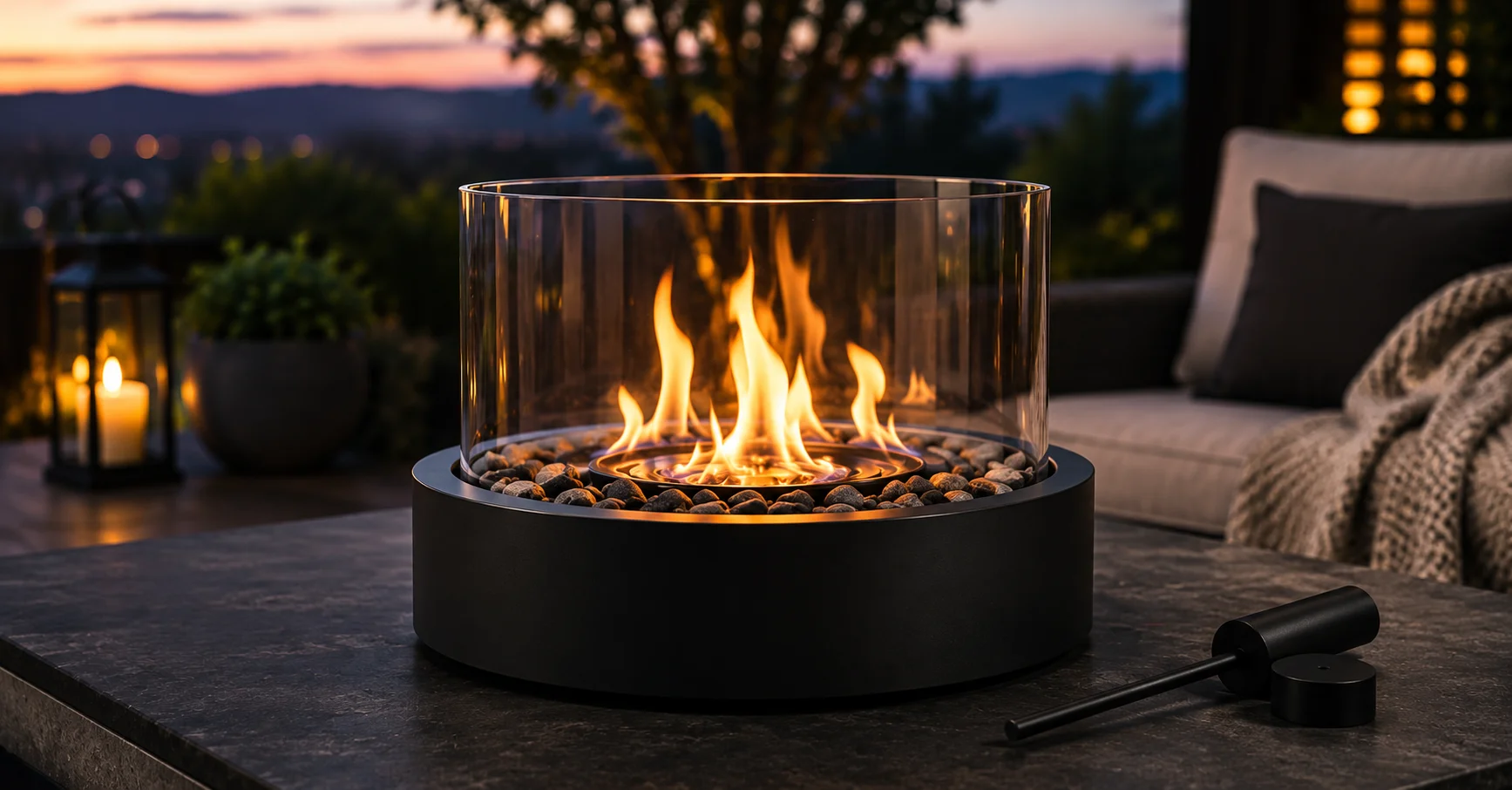
Burns from liquid-fuel tabletop fire pits are the concern behind this page. It looks at the Juno bioethanol tabletop fire pit sold by Double T Concept LLC, which the company markets for indoor and outdoor use.
CPSC links liquid-burning tabletop fire pits to flame jetting, pool fires, serious burns and deaths. CPSC tells consumers to stop using fire pits that violate the voluntary standard.
No lawsuit, recall, CPSC warning or MDL naming Double T Concept has been found. The manufacturer’s page says the Juno is completely safe to use with clean-burning bioethanol. That is the seller’s marketing statement and no safety finding.
Lawsuit at a glance
- Case or litigation name: No Double T Concept case found
- Defendants: None found in a filed case
- Court and docket number, when available: No filed case found
- MDL number, judge, and case count, when an MDL exists: No MDL found for tabletop fire pits
- Filing date: No case found
- Main allegations: No allegations against Double T Concept found; CPSC warns that liquid-fuel tabletop fire pits can cause uncontrolled pool fires and flame jetting
- Products or people involved: Juno Tabletop Fire Pit from Double T Concept LLC; people burned while filling, lighting or standing near a liquid-fuel tabletop fire pit
Latest Double T Concept Fire Pit Lawsuit Updates
August 13, 2026: CPSC Announces Brookstone Fire Pit Recall
CPSC announced Recall No. 26-687 of about 48,700 Brookstone-branded tabletop fire pits. Southern Telecom Inc. of Brooklyn, New York imported them. The importer is offering a full refund, and the notice cites fire hazards [1]. Southern Telecom received two reports of flames escaping the concrete container, resulting in two injuries, including second- and third-degree burns.July 16, 2026: CPSC Warns About Houswise Tabletop Fire Pits
CPSC issued Product Safety Warning 26-615 on Houswise Tabletop Fire Pits, sold at Houswise.com and other websites since March 2023. CPSC cites more than two dozen reports resulting in seven injuries [2]. The manufacturer, Furmia LLC, has not agreed to recall the fire pits or to offer a remedy to owners. CPSC announced a warning for these units and not a recall.May 7, 2026: CPSC Warns About Northlight Bioethanol Fireplaces
CPSC issued Product Safety Warning 26-473 on Northlight Bio Ethanol Portable Tabletop Fireplaces. They burn bioethanol like the Juno, and they sold at retailer websites for about $35 to $90 [3]. Retailer Gordon Companies Inc. objects to the CPSC press release that announced the warning and has not agreed to a recall.December 19, 2024: CPSC Issues Category-Wide Fire Pit Alert
CPSC issued Consumer Alert 25-074 on alcohol and other liquid-burning fire pits. It urged consumers to stop using units that violate voluntary standard ASTM F3363-19 and present fire hazards [4]. CPSC reported that two deaths and at least 60 injuries since 2019 have been associated with these fire pits. The alert names no brand.What Is Flame Jetting?
CPSC’s Rozato warning describes flame jetting as an explosion that propels flames and burning liquid onto the consumer or bystanders. It can happen when a flame ignites vapor inside a fuel container as fuel is poured [5]. The CPSC alert separates it from a pool fire, in which flames burn along the surface of pooled or spilled flammable liquids. The alert lists both hazards for liquid-burning fire pits.Who May Be Affected?
People burned while filling, lighting or standing near a liquid-fuel tabletop fire pit may be affected. CPSC describes burns when someone pours fuel or refills a unit while any flame is present. Double T Concept LLC sells the Juno Tabletop Fire Pit, which runs on bioethanol fuel. Owning one does not by itself make someone affected. A claim depends on the facts of each injury, so only an individual legal review can say whether one exists.Think you may qualify?
Schmidt & Clark offers a free case review to people burned by a liquid-fuel tabletop fire pit. The review looks at what happened and which options may exist. A review does not promise eligibility or any result.
Start My Free Case Review
Reported Injuries or Damages
CPSC’s Rozato and Northlight warnings say liquid fuels such as bioethanol can burn at flame temperatures over 1,600 F. Such fuels can cause third degree burns in under one second. CPSC’s Rozato warning reports an association between Rozato Tabletop Fire Pits and one death and multiple burn injuries. Reports on Houswise and Brookstone units include third-degree burns. CPSC Warning 25-073 on FLIKRFIRE Tabletop Fireplaces says flame jetting contributed to the June 2024 death of an elderly couple [6]. These are CPSC incident reports about other brands, so they are not allegations or findings against Double T Concept. An association in a CPSC report is not proof that a fire pit caused every case.Recall and Regulatory Background
A CPSC recalls and warnings search, a CourtListener search and the JPML‘s Pending MDL Dockets report list no recall, warning, court case or MDL for tabletop fire pits naming Double T Concept [7, 8, 9]. The December 2024 alert says liquid-burning fire pits are also sold as tabletop fire pits, fire pots, miniature fireplaces or portable fires for indoor use. See our page on tabletop fire pit recalls for named recalls.Evidence to Preserve
These items can help show what happened and which product was involved:- The Juno unit and its burner or fuel container, kept exactly as they were after the injury.
- The bioethanol fuel bottle and its label, kept with the unit.
- The packaging and the instruction sheet that came with the fire pit.
- The order confirmation, the receipt and any emails with Double T Concept.
- Photographs and video of the unit, the scene and the injuries.
- Medical records and bills for treatment of the burns.
- The names of anyone who saw the incident and can describe it.
Filing Deadlines
Filing deadlines come from state law, so they vary with where you live. They also vary with when the injury and its cause were discovered. Missing a deadline can end a claim. A prompt talk with a lawyer helps you learn which deadline applies to your situation.Frequently Asked Questions
What Is the Double T Concept Juno Tabletop Fire Pit?
The Double T Concept Juno Tabletop Fire Pit is a bioethanol tabletop fire pit. Double T Concept LLC lists it at $99.95 in five colors: black, light gray, natural, walnut and anthracite.What Does the Research Say About Liquid-Burning Fire Pits?
Research on liquid-burning fire pits comes from CPSC warnings. CPSC Warning 25-073 on FLIKRFIRE Tabletop Fireplaces says the June 2024 deaths involved a unit that appeared extinguished when a third person tried to refill it. At least three other incidents caused third- or fourth-degree burns over extensive body areas.What Is ASTM F3363-19 for Fire Pits?
ASTM F3363-19 is a voluntary safety standard for fire pits. CPSC says fire pits that require consumers to pour fuel into an open container and ignite the pooled liquid in the same location violate it.How Do I Report a Fire Pit Burn to CPSC?
You can report a fire pit burn to CPSC on SaferProducts.gov. CPSC’s Northlight warning asks anyone who had a safety incident with that product to report it there. Keep a copy of your report with your other records.References
- https://www.cpsc.gov/Recalls/2026/Southern-Telecom-Recalls-Brookstone-Branded-Tabletop-Fire-Pits-Due-to-Risk-of-Serious-Burn-Injury-or-Death-from-Flame-Jetting-and-Fire-Hazards
- https://www.cpsc.gov/Warnings/2026/CPSC-Warns-Consumers-to-Stop-Using-Houswise-Tabletop-Fire-Pits-Immediately-Due-to-Risk-of-Serious-Burn-Injury-or-Death-from-Flame-Jetting-and-Fire-Hazards
- https://www.cpsc.gov/Warnings/2026/CPSC-Warns-Consumers-to-Stop-Using-Northlight-Bio-Ethanol-Portable-Tabletop-Fireplaces-Immediately-Due-to-Risk-of-Serious-Burn-Injury-or-Death-from-Flame-Jetting-and-Fire-Hazards
- https://www.cpsc.gov/Warnings/2025/Consumer-Alert-Stop-Using-Alcohol-or-Other-Liquid-Burning-Fire-Pits-That-Violate-Voluntary-Standards-and-Present-Flame-Jetting-and-Fire-Hazards-Two-Deaths-and-Dozens-of-Serious-Burn-Injuries-Reported
- https://www.cpsc.gov/Warnings/2026/CPSC-Warns-Consumers-to-Stop-Using-Rozato-Tabletop-Fire-Pits-Immediately-Due-to-Flame-Jetting-and-Fire-Hazards-One-Death-and-Serious-Burn-Injuries-Reported
- https://www.cpsc.gov/Warnings/2025/CPSC-Urges-Consumers-to-Stop-Using-FLIKRFIRE-Tabletop-Fireplaces-Due-to-Flame-Jetting-and-Fire-Hazards-Two-Deaths-and-Serious-Burn-Injuries-Reported
- https://www.cpsc.gov/Recalls?search_combined_fields=double+t+concept
- https://www.courtlistener.com/?q=%22Double+T+Concept%22&type=r
- https://www.jpml.uscourts.gov/sites/jpml/files/Pending_MDL_Dockets_By_District-September-1-2026.pdf