

Table of contents
- Latest Taco Bell Cyclospora Lawsuit Updates
- October 2, 2026: FDA Concludes Its Outbreak Investigation
- September 11, 2026: CDC Declares the Outbreak Over
- August 20, 2026: JPML Vacates the MDL Hearing
- August 6, 2026: Giles Files a Proposed Class Action
- August 3, 2026: Koss Files a Proposed Nationwide Class Action
- July 28, 2026: O’Hara Sues in Western Michigan
- July 21, 2026: Null Files a Proposed Economic-Loss Class Action
- July 17, 2026: Customers File the First Lawsuits
- July 17, 2026: FDA Names the Supplier and Taylor Fresh Foods Recalls Lettuce
- July 16, 2026: FDA and CDC Announce the Outbreak Investigation
- What Is Cyclospora?
- Who May Be Affected?
- Reported Injuries or Damages
- Recall and Regulatory Background
- Evidence to Preserve
- Filing Deadlines
- Potential Compensation
- Frequently Asked Questions
- Has a Taco Bell Cyclospora Lawsuit Been Filed?
- What Does the Null Class Action Seek?
- Is There a Class Action Against Taco Bell and Taylor Farms?
- Is the Taco Bell Cyclospora Outbreak Over?
- What Symptoms Are Linked to Cyclosporiasis?
- What Does the Research Say About the Taco Bell Cyclospora Outbreak?
- References
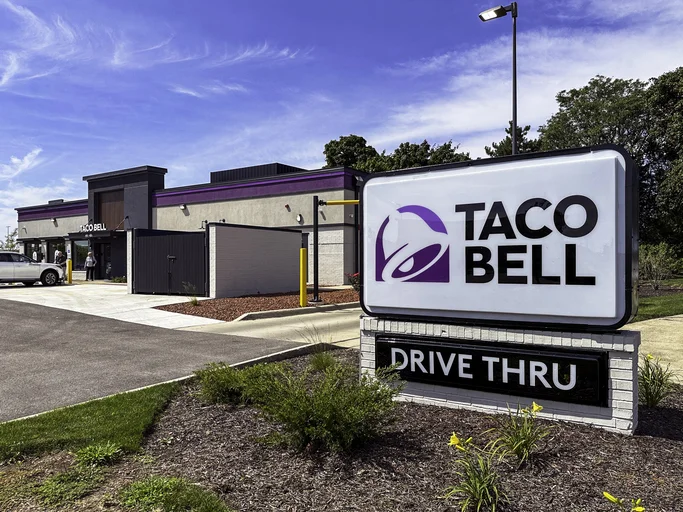
Shredded iceberg lettuce supplied by Taylor Farms de Mexico, served at Taco Bell restaurants, has been linked to a large Cyclospora outbreak. Taylor Fresh Foods recalled the lettuce on July 17, 2026.
Customers have filed individual and proposed class-action lawsuits against Taco Bell and Taylor Farms in state and federal courts, alleging illness or economic loss. No MDL has been formed. No settlement, class certification or verdict has been reported.
The outbreak reached 12,883 illnesses in 21 states, with 570 hospitalizations and 2 deaths. The CDC declared it over on September 11, 2026, and the FDA concluded its investigation on October 2, 2026.
Lawsuit at a glance
- Case or litigation name: Taco Bell and Taylor Farms Cyclospora lettuce lawsuits
- Defendants: Taco Bell Corp. and Taco Bell of America, LLC; Taylor Fresh Foods, Inc.; franchisees including Charter Foods Inc. and Border Foods, LLC
- Court and docket number, when available: No single docket; e.g. W.D. Mich. No. 1:26-cv-02183 and N.D. Cal. No. 5:26-cv-07629
- MDL number, judge, and case count, when an MDL exists: No MDL; the MDL No. 3196 motion (14 federal actions) was withdrawn
- Filing date: July 17, 2026 (first reported complaints: Ott, Parrish and Caruso)
- Main allegations: Contaminated shredded iceberg lettuce at Taco Bell made customers ill (alleged): negligence, products liability, warranty and consumer-protection claims
- Products or people involved: Shredded iceberg lettuce from Taylor Farms de Mexico served at Taco Bell; customers in Ohio, Michigan, West Virginia and other states
Latest Taco Bell Cyclospora Lawsuit Updates
October 2, 2026: FDA Concludes Its Outbreak Investigation
On October 2, 2026, the FDA concluded its outbreak investigation, which counted 12,883 illnesses in 21 states [1]. Two of the samples collected during onsite inspections in Mexico tested positive for Cyclospora. One came from a tank holding outgoing wastewater at the processing facility of Taylor Farms de Mexico. The other came from a grower’s drainage ditch. The FDA said there is not enough evidence to conclusively determine how contamination occurred.September 11, 2026: CDC Declares the Outbreak Over
On September 11, 2026, the CDC declared the outbreak over, and the FDA’s onsite inspections and sampling at the Mexican growers and the processing facility ended [2]. The FDA continues post-outbreak response work with CDC and other partners.August 20, 2026: JPML Vacates the MDL Hearing
On August 20, 2026, the Judicial Panel on Multidistrict Litigation entered an order on a motion to centralize the federal cases in MDL No. 3196, In re: 2026 Multistate Cyclosporiasis Outbreak Litigation [3]. The order deemed the motion to centralize withdrawn. It also vacated the September 2026 hearing as to the 14 federal actions named in the motion.August 6, 2026: Giles Files a Proposed Class Action
On August 6, 2026, Michael Giles of Brooksville, Florida filed a proposed class action in a California federal court, Insurance Journal reported [4]. It names Taylor Farms and Taco Bell. The complaint alleges the parasite risk was avoidable and the companies failed to warn consumers. As of August 11, 2026, Taco Bell and Taylor Farms had not answered the suits or asked the courts to dismiss them.August 3, 2026: Koss Files a Proposed Nationwide Class Action
On August 3, 2026, Dawn Koss filed a proposed nationwide class action in the U.S. District Court for the Eastern District of Michigan, ClickOnDetroit reported [5]. It names Taco Bell Corp., Taco Bell of America LLC and two Taylor Farms entities. Koss alleges illness after eating at a Taco Bell in Yale, Michigan, on June 28. The claims have not been proven in court.July 28, 2026: O’Hara Sues in Western Michigan
On July 28, 2026, Kellye O’Hara of Muskegon County, Michigan filed suit, Michigan Public reported [6]. She sued Border Foods, LLC, Taylor Fresh Foods, Inc. and Taylor Farms California, Inc. The case is No. 1:26-cv-02183 in federal court in the Western District of Michigan. She alleges frequent diarrhea, severe pain and chills, a hospital transfer in Grand Rapids and incomplete recovery.July 21, 2026: Null Files a Proposed Economic-Loss Class Action
On July 21, 2026, Lawrence Null of West Virginia brought a proposed nationwide class action over the lettuce in a California federal court, according to Newsweek [7]. It targets Taco Bell and Taylor Farms. The complaint seeks refunds for economic loss rather than personal-injury damages. It alleges claims under the West Virginia Consumer Credit and Protection Act, implied warranty, unjust enrichment and negligence.July 17, 2026: Customers File the First Lawsuits
On July 17, 2026, the first lawsuits over the outbreak were filed, Newsweek reported [8]. David Ott sued in Mahoning County, Ohio. Preston and Marie Parrish sued in the Eastern District of Michigan. Valerie Caruso sued in federal court in the Northern District of Ohio. The complaints allege negligence and breach of warranty. Ott also pleads strict products liability.July 17, 2026: FDA Names the Supplier and Taylor Fresh Foods Recalls Lettuce
On July 17, 2026, the FDA identified Taylor Farms de Mexico as the single supplier of the shredded iceberg lettuce. Taylor Fresh Foods announced a recall of iceberg lettuce from central Mexico [9]. The FDA states Taco Bell indicated it was no longer using that supplier as of that date. Taco Bell said it had completed removal of affected Taylor Farms lettuce from its restaurants [10].July 16, 2026: FDA and CDC Announce the Outbreak Investigation
On July 16, 2026, the FDA and CDC announced a Cyclospora outbreak investigation. The outbreak was linked to shredded iceberg lettuce served at Taco Bell restaurants in Indiana, Kentucky, Michigan, Ohio and West Virginia. By then, 1,644 people with Cyclospora reported Taco Bell exposure, with 94 hospitalizations and no deaths. Michigan analyzed food exposure details from 190 cases who reported eating at Taco Bell, and 90% of those interviewed reported eating iceberg lettuce.What Is Cyclospora?
According to the FDA, Cyclospora is a parasite so small it can only be seen under a microscope [11]. People get the intestinal illness cyclosporiasis by eating food or drinking water contaminated with it. The FDA says it is believed to infect only humans and spread through human fecal matter. Direct person-to-person spread is unlikely. The parasite needs days to weeks after being passed in feces to become infectious.Who May Be Affected?
The FDA’s outbreak definition covers people who reported exposure to processed iceberg lettuce from Taylor Farms de Mexico. That includes people who ate at Taco Bell. According to the FDA, most illnesses began before the Taylor Farms de Mexico recall, and the last illness onset was August 17, 2026. The FDA advises people with symptoms who ate shredded iceberg lettuce in the two weeks before getting sick to contact a health care provider. The complaints allege purchases at Taco Bell restaurants between June 3 and early July 2026, including in Ohio, Michigan and West Virginia. Ott, Caruso and Koss each allege a positive Cyclospora test. The Taylor Farms Cyclospora lawsuit page covers the supplier side. Whether you may qualify depends on your own facts, and only an individual legal review can say.Think you may qualify?
Schmidt & Clark offers a free case review to people who became ill with a Cyclospora infection after eating at Taco Bell. A review does not promise eligibility or any result.
Start My Free Case Review
Reported Injuries or Damages
In its outbreak advisory, the FDA reports 570 hospitalizations and 2 deaths in the outbreak, both in Michigan. Both people had significant underlying health conditions that cyclosporiasis and dehydration may have made worse. The FDA says the true number of sick people is likely higher than reported. CDC and FDA count only lab-confirmed cases. It can take as long as 6 weeks to tell if a sick person is part of an outbreak. The FDA’s traceback identified several farms and a processing facility in Mexico that provided the recalled lettuce distributed by Taylor Fresh Foods. The plaintiffs’ accounts below are allegations, not findings. Ott, a 27-year Army veteran from Youngstown, Ohio, alleges he bought Taco Supremes on June 18 and June 20, 2026. He alleges he was hospitalized. He tested positive for Cyclospora and went home after two days with a Bactrim prescription. Parrish alleges illness after eating in Durand, Michigan, on June 30. Caruso alleges physical illness, pain and suffering and a diminished working capacity, with a positive test on July 7.Recall and Regulatory Background
The recall covers shredded lettuce and salad mix sold to foodservice customers. Marketside-brand Iceberg Salad and Shredded Lettuce was sold at select Walmart stores. See our Marketside lettuce recall page. The company notice says the product shipped to 27 states between June 29 and July 16, 2026. The FDA says the lettuce reached 31 states. The FDA says the best-by dates have passed. It remains confident that all recalled iceberg lettuce related to this outbreak is off the market. The Taylor Farms consumer line is 855-455-0098.Evidence to Preserve
Keep these records, which show where and when you ate at Taco Bell and what happened afterward:- Receipts, bank or card statements and app or delivery orders showing the Taco Bell purchase date and location
- Positive stool or lab test results and the date of testing
- Medical records, prescriptions and hospital bills
- A dated symptom log
- Time missed from work and pay records
- Photographs of any food packaging
- Messages with the restaurant, health department or insurer
Filing Deadlines
Filing deadlines exist, and they come from state law. They vary with where you live and when your illness and its diagnosis happened. Even a claim with strong facts can fail if it is filed too late. A lawyer can check the deadline that applies to you, so contact one promptly.Potential Compensation
The complaints ask for damages that include medical expenses, lost income, pain and suffering, emotional distress and loss of enjoyment of life. They also seek refunds and punitive damages where the law permits. The Ott complaint demands judgment of more than $25,000.00 plus punitive damages. The Parrish complaint seeks at least $75,000. See also our Taco Bell food poisoning claims page. Compensation amounts vary by case. Past results do not guarantee future outcomes. Potential compensation differs from the Ott and Parrish demands, which are not expected recoveries.Frequently Asked Questions
Has a Taco Bell Cyclospora Lawsuit Been Filed?
Yes, a Taco Bell Cyclospora lawsuit has been filed. Fourteen federal actions have been brought. Three are in California, six in eastern Michigan, two in northern Ohio, and one each in western Kentucky, Michigan and Pennsylvania.What Does the Null Class Action Seek?
The Null class action seeks refunds for a proposed nationwide class of consumers who purchased affected products from May 1. For its West Virginia subclass, it also seeks actual damages or $200 per violation, whichever is greater.Is There a Class Action Against Taco Bell and Taylor Farms?
Yes, there are class actions against Taco Bell and Taylor Farms over the Cyclospora outbreak. Null, Koss and Giles each filed a proposed class action. Koss pleads Michigan Consumer Protection Act violations and proposes a Michigan subclass. No court has certified a class.Is the Taco Bell Cyclospora Outbreak Over?
Yes, the Taco Bell Cyclospora outbreak is over, according to CDC and FDA. As of September 15, 2026, CDC reported 19,883 lab-confirmed cases of cyclosporiasis in the United States in 2026.What Symptoms Are Linked to Cyclosporiasis?
Symptoms linked to cyclosporiasis include diarrhea with frequent bowel movements, loss of appetite, weight loss, stomach cramps, bloating, nausea and fatigue. Symptoms may last from a few days to a month or longer. Some infected people have no symptoms, the FDA says.What Does the Research Say About the Taco Bell Cyclospora Outbreak?
The FDA’s research on the Taco Bell Cyclospora outbreak found two positive environmental samples in Mexico, from a wastewater tank and a drainage ditch. The FDA says they show Cyclospora was present where the lettuce was grown and processed. It called a July 18 lettuce sample a false positive.References
- https://www.fda.gov/food/outbreaks-foodborne-illness/investigation-5-state-outbreak-cyclospora-illnesses-iceberg-lettuce-july-2026
- https://www.fda.gov/food/outbreaks-foodborne-illness/post-outbreak-response-activities-multistate-outbreaks-cyclospora-illnesses
- https://www.jpml.uscourts.gov/sites/jpml/files/MDL-3196_Order_Deeming_Motion_Withdrawn_and_Vacating_September_2026_Hearing%20%2814%20actions%29.pdf
- https://www.insurancejournal.com/news/national/2026/08/11/881053.htm
- https://www.clickondetroit.com/news/local/2026/08/05/michigan-woman-files-lawsuit-against-taco-bell-taylor-farms-over-cyclospora-outbreak-linked-to-lettuce/
- https://www.michiganpublic.org/health/2026-07-31/muskegon-woman-sues-after-eating-at-a-taco-bell-contracting-cyclosporiasis
- https://newsweek.com/taylor-farms-class-action-seeks-200-for-taco-bell-customers-12269677
- https://www.newsweek.com/taco-bell-customers-launch-lawsuits-over-cyclospora-outbreak-12217697
- https://www.fda.gov/safety/recalls-market-withdrawals-safety-alerts/taylor-fresh-foods-recalls-iceberg-lettuce-central-mexico-because-possible-health-risk
- https://www.cbsnews.com/news/cyclosporiasis-outbreak-taco-bell-lettuce-mexico/
- https://www.fda.gov/food/foodborne-pathogens/cyclospora