

Table of contents
- Latest Nara Infant Formula Recall Updates
- August 27, 2026: CDC Declares the Outbreak over, Finds ByHeart Link
- August 11, 2026: Nelson V. Nara Organics Filed in New York
- July 23, 2026: Nam V. Nara Organics Filed in Washington
- July 8, 2026: Pragovich V. Nara Organics Filed, a Proposed Class Action
- July 6, 2026: FDA Reports a Fourth Confirmed Case
- June 22, 2026: Goldfin V. Nara Organics Filed in Pennsylvania
- June 14, 2026: Zetterstrom V. Nara Organics Filed, a Proposed Class Action
- June 13, 2026: Nara Organics Announces the Recall
- What Is Infant Botulism?
- Which Nara Infant Formula Products Are Affected?
- Why Was Nara Infant Formula Recalled?
- Reported Incidents, Injuries, or Illnesses
- What Should Consumers Do?
- Legal Options
- Filing Deadlines
- Frequently Asked Questions
- How Do I Get a Refund for Nara Infant Formula?
- What Are the Symptoms of Infant Botulism?
- Is There a Nara Infant Formula Recall Lawsuit?
- Did Target Sell Both Sizes of Nara Infant Formula?
- How Do I Report an Infant Botulism Case to the FDA?
- What Evidence Should I Keep If My Baby Was Affected?
- References
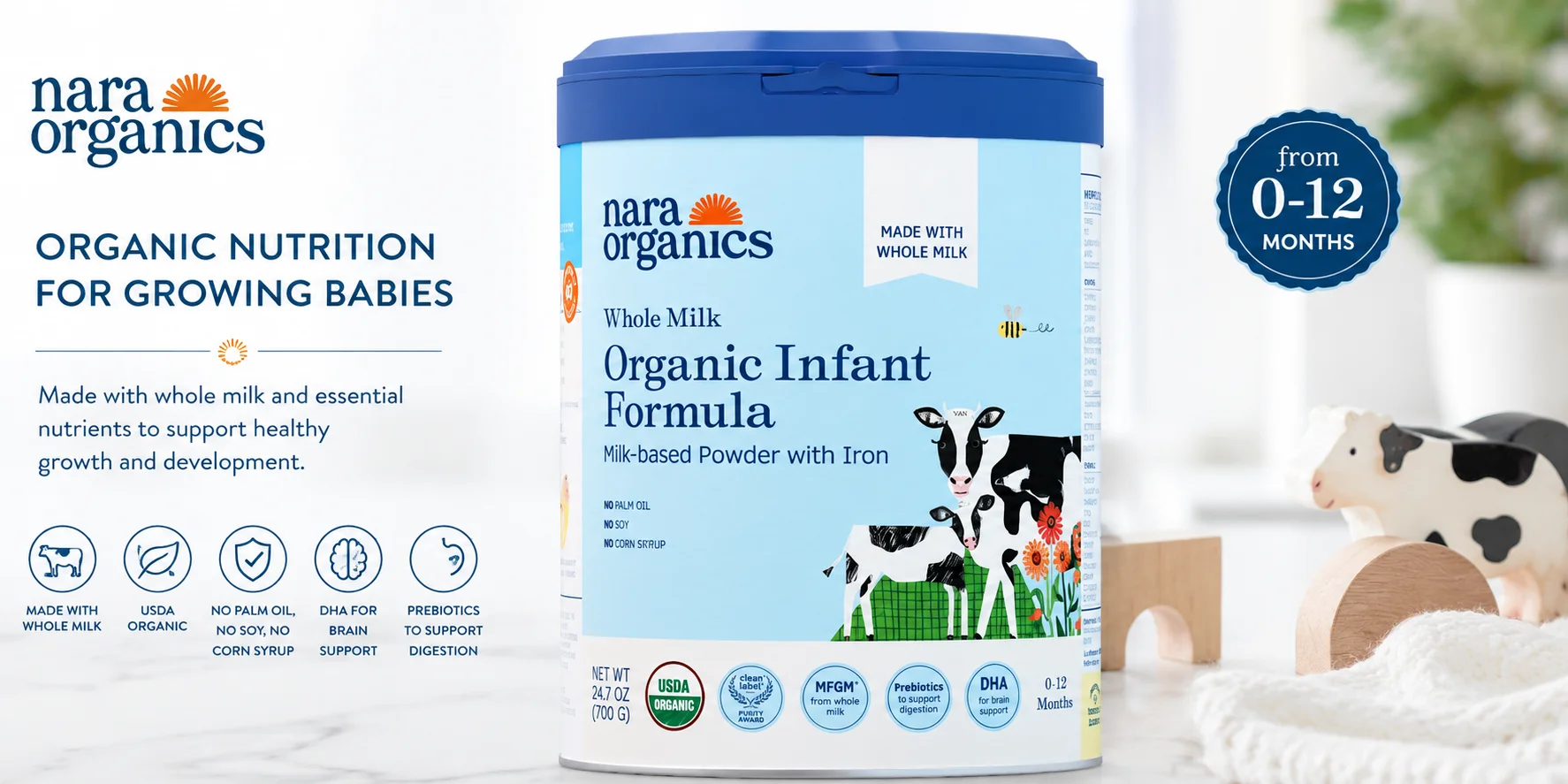
Nara Organics, Inc. voluntarily recalled all lots of its Nara Organics Whole Milk Organic Powdered Infant Formula. The recall came on June 13, 2026, after health officials linked several infant botulism cases to babies who had consumed the product.
The recall covers 700g and 400g cans sold nationwide at Target stores, Target.com, and Nara.com between July 2025 and June 2026. Nara Organics acted out of concern for possible Clostridium botulinum contamination, which can cause the rare illness.
Parents should stop using any Nara Organics formula immediately and watch for signs of infant botulism. The recall remains open, with no termination notice posted by the FDA.
Recall at a glance
- Action type: Voluntary recall of all lots
- Announcement and initiation dates: June 13, 2026 (FDA/CDC first contacted Nara Organics June 12, 2026)
- Company and responsible agency: Nara Organics, Inc., with the FDA
- Recall or campaign number: Not stated in the notice
- Affected models, lots, UPCs, serial numbers, or VINs: 700g and 400g cans, 16 lot codes (full list below)
- Number of affected units: Not published; all lots on the market were recalled
- Sold at and sale period: Target stores, Target.com, and Nara.com, July 2025-June 2026; price not stated
- Hazard: Potential Clostridium botulinum contamination
- Reported incidents, injuries, illnesses, and deaths: 4 confirmed infant botulism cases, 4 hospitalizations, 0 deaths (CA, PA, WA), as of Aug 27, 2026
- Remedy: Discard the product; refund via nara.com or Target return (steps below)
Latest Nara Infant Formula Recall Updates
August 27, 2026: CDC Declares the Outbreak over, Finds ByHeart Link
On August 27, 2026, the FDA‘s outbreak-investigation page reported that CDC had declared the infant botulism outbreak over, with four confirmed cases, four hospitalizations, and no deaths [1]. No new cases were added after July 3, 2026. Whole-genome sequencing also linked the contamination to the 2025 ByHeart infant formula outbreak through a shared raw-milk supply chain, though the FDA’s root-cause investigation continues.August 11, 2026: Nelson V. Nara Organics Filed in New York
Court records show that G.A. Nelson filed suit against Nara Organics, Inc. and its own milk supplier, Organic West Milk Inc.[2] The case, Docket No. 1:26-cv-06850, was lodged in the Southern District of New York. It adds Organic West Milk as a defendant for the first time in litigation connected to this recall, alongside Nara Organics itself.July 23, 2026: Nam V. Nara Organics Filed in Washington
Jin Nam and Jisun Lee filed Nam v. Nara Organics Inc. in Washington federal court (W.D. Wash.), Docket No. 3:26-cv-05825, court records show, over their infant’s reported illness [3]. The suit is the fourth lawsuit filed against Nara Organics since the June 2026 recall was announced. It adds another family’s infant botulism claim to the litigation over the recalled formula.July 8, 2026: Pragovich V. Nara Organics Filed, a Proposed Class Action
Riley Pragovich and Jaylene Alvarado filed a proposed class action, Pragovich v. Nara Organics, Inc., in the same New York federal court, Docket No. 1:26-cv-05778, the same court records cited above show, weeks after the FDA’s root-cause investigation began. The filing followed Zetterstrom v. Nara Organics, an earlier proposed class action in the same court, by about three weeks, adding a second putative class over the same formula. Law360 reported the Pragovich filing the same day[4].July 6, 2026: FDA Reports a Fourth Confirmed Case
The same FDA update cited above was revised again on July 6, 2026, to report a fourth confirmed infant botulism case linked to the formula. The California Department of Public Health also detected Clostridium botulinum bacteria in an opened can of Nara Organics formula. The can came from the sick infant’s home, adding new physical evidence to the investigation into the outbreak’s cause.June 22, 2026: Goldfin V. Nara Organics Filed in Pennsylvania
Erica and Micky Goldfin filed Goldfin v. Nara Organics, Inc., naming Nara Organics, Inc. and Target Corporation, in Pennsylvania federal court (E.D. Pa.), Docket No. 2:26-cv-04272, court records show, over their infant son’s reported illness [5]. The suit names Target Corporation as a codefendant along with Nara Organics. That reflects Target’s role as one of the retailers that sold the recalled formula in its stores.June 14, 2026: Zetterstrom V. Nara Organics Filed, a Proposed Class Action
Amanda Zetterstrom filed a proposed class action, Zetterstrom v. Nara Organics, Inc., Docket No. 1:26-cv-05026, in New York federal court, court records confirm [6]. The case was filed one day after Nara Organics announced the recall, the first lawsuit against the company over the outbreak. Four more suits followed within two months, including class actions and suits in Washington and Pennsylvania.June 13, 2026: Nara Organics Announces the Recall
Nara Organics, Inc. announced the voluntary recall of all lots of its powdered infant formula on June 13, 2026 [7]. The announcement came hours after the FDA and CDC first told the company about several confirmed illnesses. At the time, Nara’s own formula testing had not confirmed Clostridium botulinum, and the company recalled all lots out of caution rather than a confirmed positive result.What Is Infant Botulism?
Infant botulism is an intestinal toxemia that develops when spores of the bacterium Clostridium botulinum, or a related species, are swallowed. According to the CDC, the spores can temporarily colonize a baby’s large intestine and produce a nerve toxin there [8]. This is the contamination the Nara Organics recall addresses.Which Nara Infant Formula Products Are Affected?
Nara Organics recalled the following Nara Infant Formula products, identified by the lot code printed on the bottom of each can:- Nara Organics Whole Milk Infant Formula, 700g, UPC 860013251901
- Nara Organics Whole Milk Infant Formula, 400g, UPC 860013251918
- Lot codes: 408125075E14F2, 708125076E14F2, 708125083E14F2, 408125139E14F2, 708125141E14F2, 708125145E14F2, 708125174E14F2, 709125273E14F2, 709125280E14F2, 709125288E14F2, 409125307E14F2, 70926019ENNB, 70926029ENNB, 70926035ENNB, 70926039ENNB, and 70926042ENNB
Why Was Nara Infant Formula Recalled?
Nara Infant Formula was recalled because the FDA and CDC linked several babies’ confirmed botulism illnesses to the formula. This prompted Nara Organics to pull every lot from the market out of caution. As the June 13, 2026 recall announcement explained, Nara’s own testing had not yet found the bacterium at that point. A later FDA update did find it, in an opened can taken from one sick infant’s home. The August 27, 2026 update above ties this contamination to a milk supplier also linked to the 2025 ByHeart outbreak. FDA investigators say that connection is still under active investigation.Reported Incidents, Injuries, or Illnesses
As of the FDA’s August 27, 2026 update, four infants developed confirmed infant botulism after reportedly consuming Nara Organics formula, in California, Pennsylvania, and Washington. All four were hospitalized, and three were treated with BabyBIG, an antitoxin for infant botulism, per the recall notice. No deaths have been reported. Reports of illness are not proof that every case was caused by this product. The last reported illness onset was May 31, 2026, and no new cases have been added since July 3, 2026, according to CDC’s most recent count. Families who believe their child was affected can report the illness to the FDA.Were you or a family member hurt by this product?
Schmidt & Clark offers a free, no-obligation case review for families whose child was hospitalized with infant botulism after using Nara Organics infant formula. A review does not promise eligibility or any result.
Start My Free Case Review
What Should Consumers Do?
Families with recalled Nara Organics infant formula cans at home, or who bought the product from Target or Nara.com, should take the following steps:- Stop using and discard any Nara Organics infant formula in the home immediately. If you bought it at Target, return it to a store or use Target’s online return process.
- If you ordered directly from nara.com in May or June 2026, expect an automatic refund. If you last ordered from nara.com in March or April, use the photo-based refund form instead [9].
- Watch your baby for signs of infant botulism, including constipation, poor feeding, and low muscle tone. Seek immediate medical care right away if any of these appear, rather than waiting for lab confirmation.
- Report an illness or adverse event to the FDA through its online product-problem reporting tool, or by emailing Nara Organics at hello@nara.com.
Legal Options
Several lawsuits have been filed against Nara Organics over the recall. They include proposed class actions in New York, individual suits in Washington and Pennsylvania, and a suit naming its milk supplier. No settlement or trial date has been reported. A recall does not automatically establish liability or eligibility for compensation. Anyone considering legal action may want to speak with a lawyer.Filing Deadlines
Deadlines to file a legal claim come from state law, not from this recall notice, and can be shorter than families expect. How much time a family has can depend on where they live and when the child’s illness and diagnosis happened, and some states start the clock at diagnosis. Missing a deadline can end a claim even when the facts are strong, so anyone considering legal action should speak with a lawyer promptly.Frequently Asked Questions
How Do I Get a Refund for Nara Infant Formula?
You can get a refund for Nara Infant Formula through Nara’s own process. If your last nara.com order was placed in March or April 2026, Nara asks you to photograph the can bottom and submit the online refund form. Funds are then returned within 10 to 15 days.What Are the Symptoms of Infant Botulism?
The symptoms of infant botulism include constipation, poor feeding, low muscle tone, drooping eyelids, and a weak cry. Infant botulism is diagnosed clinically, and symptoms can take up to several weeks to appear after a baby swallows contaminated formula.Is There a Nara Infant Formula Recall Lawsuit?
Yes, five lawsuits have been filed over the Nara Infant Formula recall so far. The earliest, Zetterstrom v. Nara Organics, was filed June 14, 2026, in New York court under Docket No. 1:26-cv-05026, and the most recent named a milk supplier as a co-defendant.Did Target Sell Both Sizes of Nara Infant Formula?
Target did not sell both sizes of Nara Infant Formula: its stores only carried the 700g can, while the 400g can was sold exclusively through Nara.com. Both sizes are covered by the recall regardless of where they were purchased.How Do I Report an Infant Botulism Case to the FDA?
You can report an infant botulism case linked to Nara Infant Formula to the FDA in two ways. Use its SmartHub online “Report a Product Problem” tool, or submit a MedWatch form – both named in the FDA’s recall notice for this product.What Evidence Should I Keep If My Baby Was Affected?
If your baby was affected, keep the formula can with its lot code. Also save your purchase receipt, photos of the product, medical records, and any messages with Nara Organics, Target, or the FDA. These records can support a refund request or a future legal claim.References
- https://www.fda.gov/food/outbreaks-foodborne-illness/outbreak-investigation-infant-botulism-powdered-infant-formula-june-2026
- https://www.courtlistener.com/?q=Nara+Organics&type=r
- https://www.courtlistener.com/?q=Nam+v.+Nara+Organics&type=r
- https://www.law360.com/health/articles/2498555
- https://www.courtlistener.com/?q=Goldfin&type=r
- https://www.courtlistener.com/?q=Zetterstrom&type=r
- https://www.fda.gov/safety/recalls-market-withdrawals-safety-alerts/nara-organics-recalls-all-lots-nara-infant-formula-because-possible-health-risk
- https://www.cdc.gov/botulism/hcp/clinical-overview/infant-botulism.html
- https://nara.com/pages/nara-organics-recall-information