

Table of contents
- Latest La Colonia Soft Cheese Listeria Lawsuit Updates
- August 26, 2026: CDC and FDA Close the Outbreak Investigation
- June 29, 2026: FDA Adds La Colonia and Selectos Latinos to the Recall List
- June 24, 2026: Interim Count Reaches 12 Illnesses and 10 Hospitalizations
- June 18, 2026: Clover Hill Dairy Expands Recall to All Cheese Products
- June 3, 2026: Clover Hill Dairy Issues Its First Recall
- What Is Listeria?
- Who May Be Affected?
- Reported Injuries or Damages
- Recall and Regulatory Background
- Evidence to Preserve
- Filing Deadlines
- Potential Compensation
- Frequently Asked Questions
- Is Requeson the Same as Ricotta Cheese?
- How Long After Eating Contaminated Cheese Do Listeria Symptoms Appear?
- What Does the Research Show About Requeson’s Link to This Listeria Outbreak?
- How Long Did the La Colonia Soft Cheese Listeria Lawsuit Investigation Last?
- Can I Still Buy La Colonia or Selectos Latinos Cheese?
- Do I Need a Lawyer to File a La Colonia Soft Cheese Listeria Lawsuit Claim?
- References
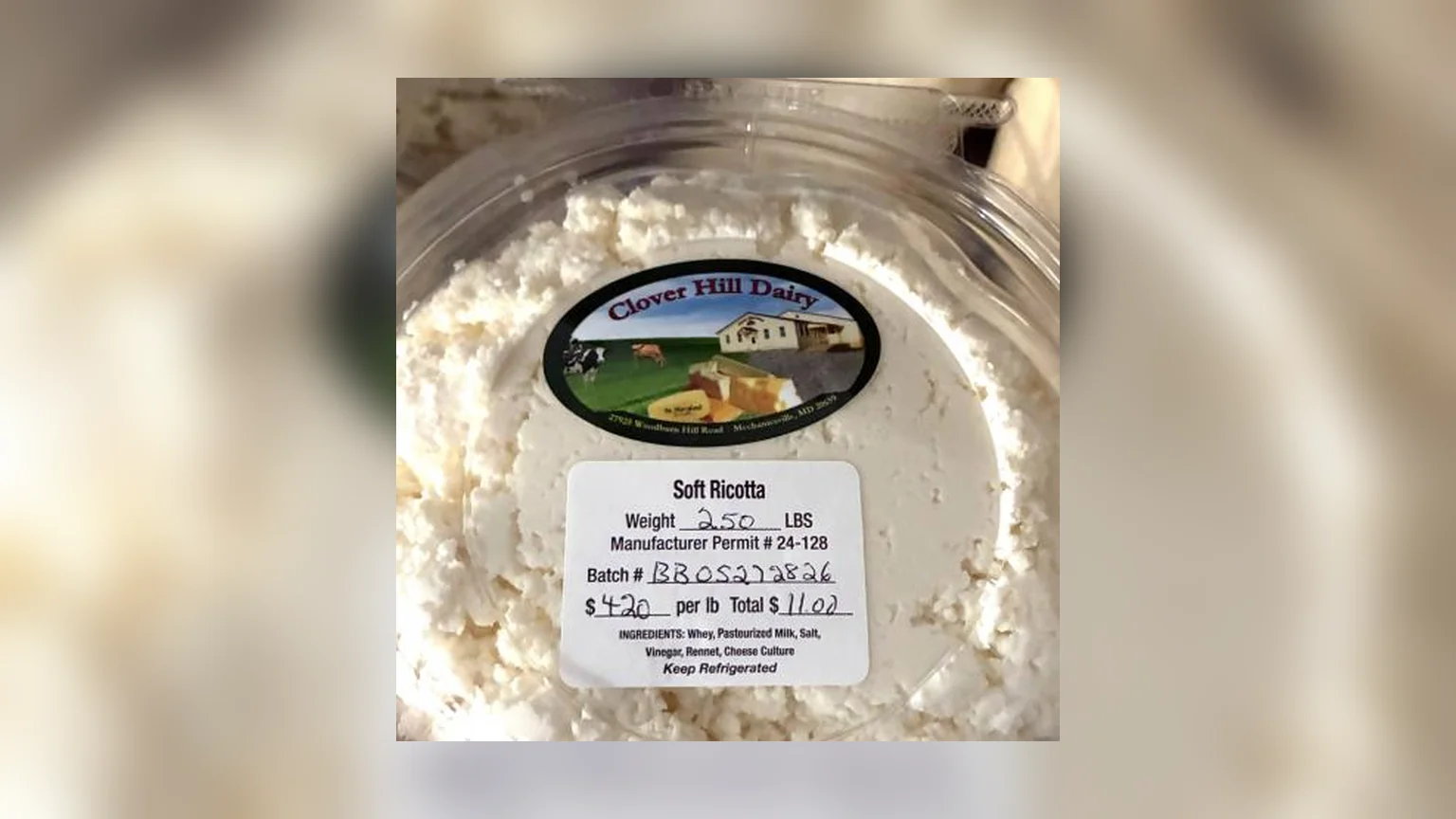
A Listeria outbreak tied to La Colonia and Selectos Latinos requeson, and to other Clover Hill Dairy, LLC cheese, sickened people in several states in 2026. La Ceiba Foods Latin Market Inc. distributed the contaminated soft cheese.
No lawsuit, class action or multidistrict litigation has been filed over the outbreak. Attorneys are investigating potential product-liability claims for people who ate the recalled cheese and were later diagnosed with listeriosis.
This page covers the outbreak’s recall history and the illnesses federal health agencies confirmed. It also covers the legal options available for people affected while the case against Clover Hill Dairy remains at an early, pre-litigation stage.
Lawsuit at a glance
- Case or litigation name: No lawsuit filed; tracked as the Clover Hill Dairy / La Colonia soft cheese Listeria outbreak
- Defendants: No lawsuit filed; the outbreak and recalls name Clover Hill Dairy, LLC (manufacturer) and La Ceiba Foods Latin Market Inc. (distributor)
- Court and docket number, when available: No filed case
- MDL number, judge, and case count, when an MDL exists: No MDL
- Filing date: No filing yet
- Main allegations: Epidemiologic and lab testing tie Listeria-contaminated requeson to a multi-state outbreak; no complaint filed
- Products or people involved: La Colonia and Selectos Latinos requeson, plus other Clover Hill Dairy, LLC cheese varieties, sold in Maryland, Virginia, Washington D.C. and three other states between May and June 2026
Latest La Colonia Soft Cheese Listeria Lawsuit Updates
August 26, 2026: CDC and FDA Close the Outbreak Investigation
The CDC and FDA closed their joint probe of the multi-state Listeria outbreak tied to Clover Hill Dairy, LLC cheese. FDA’s outbreak page [1] said the closure capped nearly three months of testing. The final case count reached 15 illnesses, 14 hospitalizations and 1 death across four states: Illinois, Maryland, New York and Virginia. Illness onset ranged from March 2023 to July 2026. FDA said its investigation was complete.June 29, 2026: FDA Adds La Colonia and Selectos Latinos to the Recall List
La Ceiba Foods’ recall notice [2] covers its Requeson Salvadoreno and Requeson Mexicano products, recalled June 26, 2026 under the La Colonia and Selectos Latinos brands. Its supplier, Clover Hill Dairy, had reported possible contamination. On June 29, FDA formally added those products to Clover Hill Dairy’s recalled-product list, after six requeson and environmental samples, collected by Maryland and New York agencies, matched the outbreak strain.June 24, 2026: Interim Count Reaches 12 Illnesses and 10 Hospitalizations
The same FDA investigation page reported an interim total of 12 people infected with the outbreak strain across four states. The count included 10 hospitalizations and 1 death, while their investigation into Clover Hill Dairy’s requeson continued. Of 10 people interviewed at that point, 9 said they had eaten some type of cheese, and 2 specifically named Clover Hill Dairy requeson as the source.June 18, 2026: Clover Hill Dairy Expands Recall to All Cheese Products
Clover Hill Dairy, LLC’s expanded recall notice [3], issued June 18, 2026, covers every cheese product made at its Mechanicsville, Maryland, facility. The expansion followed a consumer advisory Maryland’s health department issued on June 14, 2026. The expanded recall covered cuajada, ricotta, mild, sharp, smoked and flavored cheese varieties, some of which were later relabeled and sold under different brand names.June 3, 2026: Clover Hill Dairy Issues Its First Recall
The same FDA page records that Clover Hill Dairy issued its first voluntary recall of requeson and soft ricotta cheese on June 3, 2026. The recall followed a New York sample that tested positive for the outbreak strain. Maryland’s health department suspended the company’s operating license around the same time. It also issued a consumer advisory and began a follow-up review of the Mechanicsville plant, before the broader recall grew later that month.What Is Listeria?
Listeria monocytogenes is a type of bacteria that contaminates food and causes listeriosis, according to CDC’s About Listeria Infection page [4]. That page describes two forms of the illness, invasive and intestinal, with different symptoms. This outbreak involves that same bacteria, which regulators traced to a specific supplier’s cheese through laboratory testing described in the sections below.Who May Be Affected?
Anyone who ate La Colonia or Selectos Latinos requeson may have grounds for a claim. The same applies to other Clover Hill Dairy, LLC cheese sold between May and June 2026. That includes anyone who later developed listeriosis symptoms. That includes people who bought cheese directly from Clover Hill Dairy’s retail market or farmers markets. It also includes people who bought cheese from retailers in Maryland, Virginia, Washington, D.C., New Jersey, New York or North Carolina. It also includes people who ate relabeled cheese sold under the KESSO, QUESOS LA RICURA, IZALCO, DE MI PUEBLO or RIO LINDO brand names. People who were pregnant, aged 65 or older, or had a weakened immune system faced the highest risk of severe illness in this outbreak, including hospitalization. Because every case depends on individual medical and purchase records, only an individual legal review can confirm whether a specific illness qualifies for a claim.Think you may qualify?
Schmidt & Clark offers a free, no-obligation case review for people who ate La Colonia, Selectos Latinos or other Clover Hill Dairy cheese and were later diagnosed with listeriosis. A review does not promise eligibility or any result.
Start My Free Case Review
Reported Injuries or Damages
CDC’s closed investigation put the final tally at 15 confirmed illnesses, with 14 hospitalizations and one death recorded across the four affected states named above. No complaint alleging specific damages has been filed over this outbreak. According to the same FDA page cited above, of the people CDC interviewed who reported eating any cheese, 45% specifically named Clover Hill Dairy requeson. Lab samples also confirmed the outbreak strain by genetic testing. Any medical costs, lost income or wrongful-death losses tied to this outbreak would be documented case by case, illness by illness. No lawsuit currently ties them to a specific legal claim.Recall and Regulatory Background
Clover Hill Dairy, LLC and its distributor recalled requeson, ricotta and other cheese between June 3 and June 29, 2026. The recalls covered possible Listeria contamination (see Latest Updates above). State and federal testing matched the bacteria to the company’s Mechanicsville, Maryland, facility. A recall does not by itself establish legal liability. See Schmidt & Clark’s Listeria recall page for the complete recall timeline and remedy details.Evidence to Preserve
Anyone who believes they got sick from La Colonia, Selectos Latinos or other Clover Hill Dairy cheese should keep evidence of it. Good records document the purchase, the illness and the source, including:- Purchase receipts, credit card statements or store loyalty records showing the date, the store and the specific product that was purchased
- The product’s packaging, label or UPC (La Colonia 736846383099, Selectos Latinos 767787984526 or 767787984519, or a Clover Hill Dairy bucket or clamshell label)
- Photographs of the product, its label or packaging, the UPC and any remaining portion, taken before the cheese is discarded or returned
- Medical records documenting the listeriosis diagnosis, treatment received, any hospitalization and follow-up care, along with the treating physician’s name and contact information
- A written timeline noting when symptoms started, how they progressed day by day, and when medical care was first sought
- Communications with the retailer, distributor, manufacturer or a local health department about the illness, including dates, names and any reference numbers
Filing Deadlines
Deadlines for filing a foodborne-illness claim come from state law and are not the same everywhere. How much time a person has generally depends on where they live and when the illness and diagnosis happened. Some states start the clock on the date of exposure. Others start it once a person is diagnosed or connects the illness to a specific product. Missing a filing deadline can end a claim even when the underlying facts are strong, so anyone considering a claim should talk with a lawyer promptly.Potential Compensation
A Listeria illness from this outbreak could later connect to a viable legal claim. If so, potential compensation categories can include medical expenses, lost income and pain and suffering. For claimants who were pregnant when they became ill, categories may also include losses tied to pregnancy loss, premature delivery or a newborn’s infection. Where a death is involved, a wrongful-death claim may cover funeral costs and related losses. Compensation amounts vary by case. Past results do not guarantee future outcomes. A lawyer can explain potential compensation after reviewing your medical and purchase records.Frequently Asked Questions
Is Requeson the Same as Ricotta Cheese?
Requeson is not exactly the same as ricotta cheese, but FDA describes it as a soft cheese similar to ricotta. The recalled La Colonia product was even labeled Requeson Salvadoreno, Soft Ricotta Cheese.How Long After Eating Contaminated Cheese Do Listeria Symptoms Appear?
Listeria symptoms usually appear within two weeks after eating contaminated cheese. But FDA’s outbreak page notes onset can range from the same day to as long as ten weeks later. That wide window is one reason outbreak probes like this one take months to close.What Does the Research Show About Requeson’s Link to This Listeria Outbreak?
The research on this outbreak shows a growing link to Clover Hill Dairy requeson. In June, 33% of those CDC interviewed who reported eating any cheese named it; that share rose to 45% by the closed investigation. Lab testing also matched the outbreak strain in requeson and environmental samples.How Long Did the La Colonia Soft Cheese Listeria Lawsuit Investigation Last?
The La Colonia soft cheese Listeria lawsuit investigation lasted about twelve weeks, from Clover Hill Dairy’s first recall to CDC and FDA’s August closure. The confirmed count grew from an interim 12 infections to a final 15 as investigators finished interviewing patients and matching lab samples.Can I Still Buy La Colonia or Selectos Latinos Cheese?
No, you can no longer buy the recalled La Colonia or Selectos Latinos cheese. FDA’s notice lists the products’ expiration date as July 10, 2026, and states recalled cheese should already be past expiration and unavailable in stores.Do I Need a Lawyer to File a La Colonia Soft Cheese Listeria Lawsuit Claim?
You do not need a lawyer to file a La Colonia soft cheese Listeria lawsuit claim, though gathering purchase receipts, UPCs, medical records and lab results helps. For product questions rather than a legal claim, Clover Hill Dairy’s recall line is run by the Southern Maryland Agricultural Development Commission.References
- https://www.fda.gov/food/outbreaks-foodborne-illness/outbreak-investigation-listeria-monocytogenes-soft-cheese-june-2026
- https://www.fda.gov/safety/recalls-market-withdrawals-safety-alerts/la-ceiba-foods-latin-market-inc-recalls-cottage-cheese-products-because-possible-health-risk
- https://www.fda.gov/safety/recalls-market-withdrawals-safety-alerts/clover-hill-dairy-expands-recall-include-all-clover-hill-dairy-brand-cheese-due-possible-health-risk
- https://www.cdc.gov/listeria/about/index.html