

Table of contents
- Latest Harbor Breeze Santa Ana Ceiling Fan Recall Updates
- February 13, 2020: CPSC Announces Recall of Harbor Breeze Santa Ana Ceiling Fans
- Which Harbor Breeze Santa Ana Ceiling Fans Are Affected?
- Why Were Harbor Breeze Santa Ana Ceiling Fans Recalled?
- Reported Incidents, Injuries, or Illnesses
- What Should Consumers Do?
- Legal Options
- Frequently Asked Questions
- Is the Harbor Breeze Santa Ana Recall Still Active?
- Is Fanim Industries the Same Company as Fanimation?
- Where Can I Find My Fan’s Model Number?
- Were Any Deaths Linked to This Recall?
- Can Someone Other than the Original Buyer File a Claim?
- Does a Property-Damage-Only Incident Qualify for Review?
- References
Fanim Industries recalled the Harbor Breeze Santa Ana ceiling fan, model LP8294LBN, in a voluntary recall announced February 13, 2020. The Consumer Product Safety Commission listed it as recall number 20-072, covering about 70,000 fans.
The fan’s blade-arm holders can break and let a spinning blade eject, which can strike anyone nearby. Lowe’s sold the 48-inch fan nationwide and online for about $150 between May 2014 and January 2016.
Consumers should stop using the fan right away and contact Fanim Industries for a free replacement blade-arm holder set. The recall remains open on cpsc.gov, with no closure notice on file.
Recall at a glance
- Action type: Voluntary recall
- Announcement and initiation dates: Announced February 13, 2020 (no separate initiation date stated)
- Company and responsible agency: Fanim Industries (manufacturer) and the U.S. Consumer Product Safety Commission
- Recall or campaign number: 20-072
- Affected models, lots, UPCs, serial numbers, or VINs: Model LP8294LBN, UPC 840506599178
- Number of affected units: About 70,000 units in the United States
- Sold at and sale period: Lowe’s stores nationwide and lowes.com, May 2014 through January 2016, about $150
- Hazard: The fan’s blade holders can break, allowing the blade to be ejected from the fan
- Reported incidents, injuries, illnesses, and deaths: 210 reports of a blade breaking or ejecting, including 10 reports of a blade striking a consumer
- Remedy: Free replacement blade-arm holders from Fanim Industries; consumers should stop using the fan immediately
Latest Harbor Breeze Santa Ana Ceiling Fan Recall Updates
February 13, 2020: CPSC Announces Recall of Harbor Breeze Santa Ana Ceiling Fans
The U.S. Consumer Product Safety Commission announced Fanim Industries‘ voluntary recall on February 13, 2020, in the recall notice numbered 20-072 [1]. The recall covered about 70,000 Harbor Breeze Santa Ana ceiling fans, model LP8294LBN. Fanim Industries had received 210 reports of a blade holder breaking or a blade ejecting. Ten of those reports involved a blade striking a consumer, and Fanim offered free replacement blade-arm holders to affected owners.Which Harbor Breeze Santa Ana Ceiling Fans Are Affected?
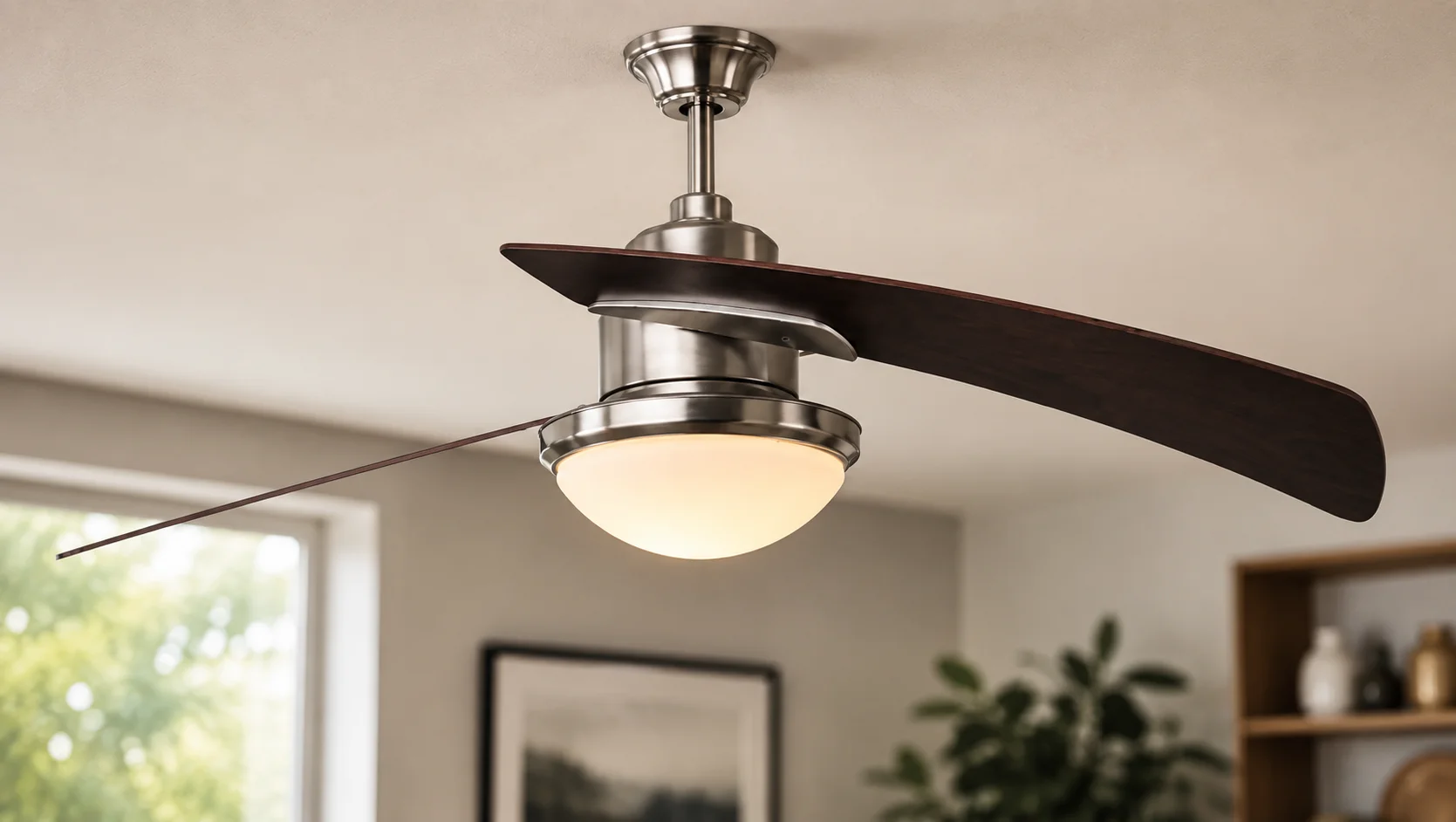
The recall covers one Harbor Breeze ceiling fan model, sold exclusively at Lowe’s stores across the country, identified by these details:- Harbor Breeze Santa Ana ceiling fan: a 48-inch fan with two dark walnut blades, brushed nickel blade-arm holders, and a frosted white glass globe
- Model number: LP8294LBN
- UPC: 840506599178
- Sold at Lowe’s stores nationwide and lowes.com, May 2014 through January 2016, for about $150
Why Were Harbor Breeze Santa Ana Ceiling Fans Recalled?
Harbor Breeze Santa Ana ceiling fans were recalled because their blade-arm holders can break during normal use. A broken holder can let a spinning blade eject from the fan. An ejected blade can strike a person nearby, or it can damage furniture, flooring, light fixtures, and other property beneath the fan. Fanim Industries reported the defect to the Consumer Product Safety Commission after owners described the same blade-arm holder failure in the field. The recall notice does not explain why the blade-arm holders fail. It states only that they can break. Consumers should treat every one of these fans as a safety risk until Fanim’s free replacement blade-arm holders are installed.Reported Incidents, Injuries, or Illnesses
Fanim Industries confirmed 210 reports to the Consumer Product Safety Commission. The reports described a blade-arm holder breaking or a blade coming loose from the fan. Ten of the 210 reports said a blade actually struck someone. Fanim did not report a specific state-by-state breakdown or a cutoff date for these figures in the CPSC recall notice. A reported incident alone is not proof that the product caused it in every case. The recall notice remains posted on cpsc.gov. Anyone who was hurt when a blade ejected, or whose property was damaged, can request a free, no-obligation case review below.Were you or a family member hurt by this product?
Schmidt & Clark offers a free review of injury or property-damage claims tied to this ceiling fan recall, whether or not you were the original buyer. A free review does not promise eligibility, a settlement, or any other result.
Start My Free Case Review
What Should Consumers Do?
If you own this recalled fan, model LP8294LBN, take the following steps as soon as possible to request your free replacement parts:- Turn off the fan immediately and do not operate it again until the blade-arm holders have been replaced.
- Compare your fan’s model and UPC numbers to LP8294LBN and 840506599178 before requesting a replacement.
- Contact Fanim Industries at 888-434-3797 (8 a.m.-5 p.m. ET, Monday-Friday), email recall@fanimation.com, or visit www.FANIMATION.com and click Recalls to request a free replacement set.
- Keep the fan switched off until the replacement blade-arm holders arrive and are installed by you or a qualified installer.
- Do not attempt to repair or replace the blade-arm holders with any parts other than the ones Fanim Industries provides.
- Photograph the fan and save your receipt or order record if you believe a blade injured you or damaged your property.
Legal Options
A CPSC recall does not automatically establish that Fanim Industries or any other company is liable for an injury or property loss. No class action or settlement has been identified for this recall, and a federal list of pending multidistrict litigation does not include it [3]. This fan’s blade may have struck you or a family member, or damaged property. If so, you may still qualify for an individual product-liability review. Schmidt & Clark offers a free case review for people affected by the Harbor Breeze Santa Ana recall, and a review never promises an outcome.Frequently Asked Questions
Is the Harbor Breeze Santa Ana Recall Still Active?
Yes, the Harbor Breeze Santa Ana recall is still active on cpsc.gov. It was last confirmed on September 24, 2026, with no closure or expiration date announced. Fanim’s free replacement offer has no stated deadline.Is Fanim Industries the Same Company as Fanimation?
The recall notice does not confirm whether Fanim Industries and Fanimation are the same company. It lists Fanim Industries as the recalling firm and directs consumers to Fanimation’s website and phone system for free replacement parts. Fanimation’s general customer-service line, 888-567-2055, differs from the dedicated recall hotline, 888-434-3797.Where Can I Find My Fan’s Model Number?
Your fan’s model number, LP8294LBN, is also listed as Lowe’s item #0464466 on the installation guide’s cover. That item number does not appear anywhere else on this page, so check it if your fan’s motor or remote labels are worn or hard to read.Were Any Deaths Linked to This Recall?
No, no deaths have been linked to this recall so far. The recall notice reports only blades breaking or striking consumers, not fatalities, and it lists no other injuries beyond that count.Can Someone Other than the Original Buyer File a Claim?
Yes, someone other than the original buyer can file a claim. A tenant, household member, guest, or anyone else may have been hurt by an ejected blade, or suffered property damage. That person may request an individual legal review.Does a Property-Damage-Only Incident Qualify for Review?
A property-damage-only incident can qualify for review. A product-liability review may consider damage to furniture, flooring, or other property even when no one was hurt. The evidence needed (photographs, repair estimates, and receipts) differs from an injury claim.References
- https://www.cpsc.gov/Recalls/2020/Fanim-Industries-Recalls-Harbor-Breeze-Santa-Ana-Ceiling-Fan-Due-to-Injury-Hazard-Sold-Exclusively-at-Lowes-Stores
- https://pdf.lowes.com/installationguides/840506599178_install.pdf
- https://www.jpml.uscourts.gov/pending-mdls-0