

Table of contents
- Latest Chicken Caesar Wrap Listeria Lawsuit Updates
- June 25, 2026: FSIS Issues a Public Health Alert
- What Is Listeria Monocytogenes?
- Who May Be Affected?
- Reported Injuries or Damages
- Recall and Regulatory Background
- Evidence to Preserve
- Filing Deadlines
- Potential Compensation
- Frequently Asked Questions
- What Should I Do If I Bought One of These Wraps?
- What Are the Symptoms of Listeria Infection?
- Was Anyone Reported Sick in the Chicken Caesar Wrap Listeria Lawsuit Investigation?
- What Does the Research Say About Listeria Risk?
- Where Can I Learn More About a Chicken Caesar Wrap Listeria Lawsuit?
- Who Is Taher, Inc.?
- References
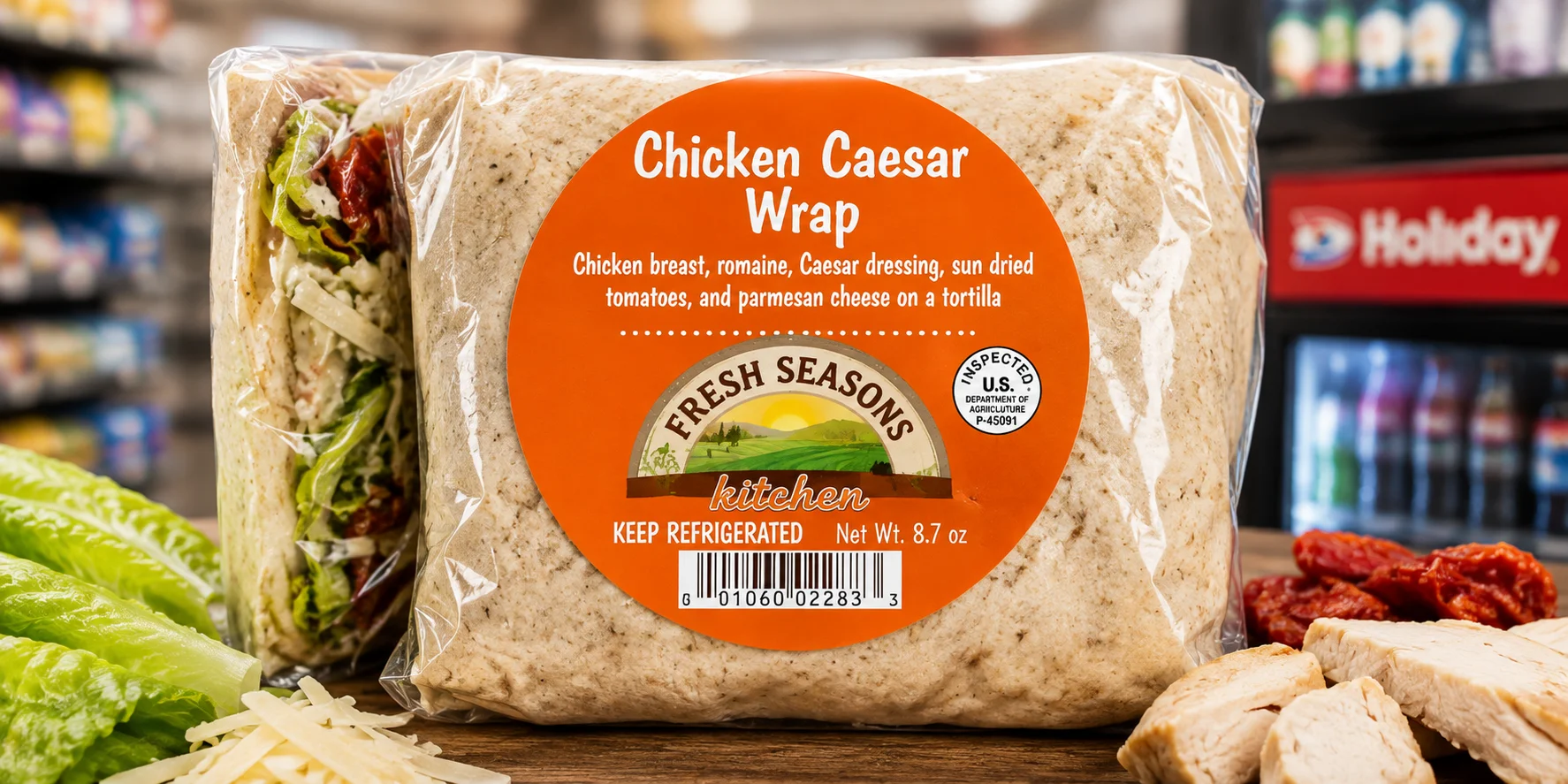
A FRESH SEASONS Kitchen Chicken Caesar Wrap made by Taher, Inc. is at the center of a June 2026 public health alert. Federal testing found Listeria monocytogenes in the 8.7-ounce product, shipped to Holiday convenience stores in Minnesota and Wisconsin.
The wraps had already left store shelves when officials spoke publicly, so no formal recall was requested. No confirmed illnesses linked to this alert have been reported so far.
Listeria symptoms usually appear within two weeks of eating contaminated food, per CDC. Onset can range from the same day to 10 weeks later. Current status: this is an attorney investigation only, with no lawsuit filed over the alert.
Lawsuit at a glance
- Case or litigation name: No case filed – FSIS public health alert only
- Defendants: Taher, Inc. (manufacturer of the wraps named in the alert; no lawsuit has named a defendant)
- Court and docket number, when available: Not yet assigned
- MDL number, judge, and case count, when an MDL exists: No MDL
- Filing date: No filing yet
- Main allegations: The FRESH SEASONS Kitchen Chicken Caesar Wrap tested positive for Listeria monocytogenes contamination per FSIS routine product testing
- Products or people involved: 8.7-oz FRESH SEASONS Kitchen Chicken Caesar Wrap, “Sell By:6/24/2026,” establishment number P-45091, produced June 16, 2026, shipped to Holiday convenience stores in Minnesota and Wisconsin
Latest Chicken Caesar Wrap Listeria Lawsuit Updates
June 25, 2026: FSIS Issues a Public Health Alert
The FSIS issued a public health alert for the FRESH SEASONS Kitchen Chicken Caesar Wrap after testing confirmed Listeria monocytogenes [1]. No formal recall was requested because the wraps were already off shelves. FSIS reported no confirmed illnesses tied to the product. No lawsuit, settlement, or JPML MDL has followed, according to the pending docket list [2].What Is Listeria Monocytogenes?
Listeria monocytogenes is a bacterium that contaminates food. Eating a contaminated item can cause an infection called listeriosis [3]. According to CDC, the illness takes two forms, invasive and intestinal, each with different symptoms. That bacterium is the one behind the alert described in the update above. It is specific to these wraps, separate from national Listeria totals.Who May Be Affected?
Anyone who bought or ate an 8.7-ounce FRESH SEASONS Kitchen Chicken Caesar Wrap may have been exposed to Listeria monocytogenes. It was marked “Sell By:6/24/2026,” with establishment number P-45091. It was sold at a Holiday convenience store in Minnesota or Wisconsin. The wraps were produced June 16, 2026 and were still within that sell-by window when FSIS issued its alert. FSIS advises that higher-risk people who develop flu-like symptoms within two months of eating the product should seek medical care. Pregnant women and their newborns face the highest risk from a Listeria infection, per FSIS. So do older adults and people with weakened immune systems. That risk can include serious complications, and whether any of these circumstances support a claim requires an individual legal review.Think you may qualify?
Schmidt & Clark offers a free case review for people who believe they were sickened by a recalled or contaminated food product. A review does not promise eligibility or any result.
Start My Free Case Review
Reported Injuries or Damages
No confirmed illnesses had been reported as of FSIS’s June 25, 2026 alert, and none has been reported since. Listeriosis can cause fever, muscle aches, headache, stiff neck, confusion, loss of balance, and convulsions, sometimes preceded by diarrhea. CDC tracks Listeria’s toll nationally, separate from the specific wraps named in this alert. The research figures for that national count are in the FAQ below. Pregnant women exposed through this specific alert may have only mild symptoms themselves. FSIS warns the infection can still cause miscarriage, stillbirth, or premature delivery. It can also cause a life-threatening newborn infection in that group. That risk exists even without a confirmed case yet.Recall and Regulatory Background
This June 25, 2026 alert remains the only regulatory action FSIS has taken over the wraps. The agency has not opened a formal recall. A recall does not automatically establish liability, and neither does a public health alert. General pathogen and recall background is covered on Schmidt & Clark’s Listeria lawsuit and recall information page.Evidence to Preserve
If you bought or ate one of the affected wraps, keep any evidence that could support a future claim. Do this now, while the facts are still fresh and easy to document:- The product package or label, or a photo of it showing the sell-by date and establishment number
- Store receipts or loyalty-account records showing the date and location of purchase
- Medical records from any related doctor visit, emergency room stay, or lab test
- A dated symptom diary noting when signs of illness began and how they changed
- Any communication with the store, USDA FSIS, or a local health department
Filing Deadlines
Deadlines to file a listeriosis-related claim exist and come from state law. They depend on where the reader lives and when the exposure, illness, and diagnosis happened. Some states start the clock at diagnosis rather than exposure. Even a strong case can be lost entirely if the filing window closes first. This page cannot calculate the exact date for any individual reader. Anyone concerned about a possible claim should check with a lawyer promptly, before a state deadline passes and options narrow.Potential Compensation
No lawsuit, verdict, or settlement exists yet for this specific incident. If a claim were pursued, several categories of damages could apply. These generally include medical expenses, lost income, and pain and suffering. Compensation amounts vary by case. Past results do not guarantee future outcomes. A lawyer review is the only way to evaluate potential compensation for one case.Frequently Asked Questions
What Should I Do If I Bought One of These Wraps?
If you bought one of these wraps, throw it away or return it to the store where you purchased it. FSIS advises against eating any that remain. Watch yourself for Listeria symptoms for up to 10 weeks and call a health care provider if any develop.What Are the Symptoms of Listeria Infection?
Listeriosis symptoms range from mild, flu-like signs to a severe invasive infection. FSIS notes that people outside the highest-risk groups named elsewhere on this page can also develop listeriosis, just less commonly. Anyone with symptoms after eating a recalled product should contact a doctor.Was Anyone Reported Sick in the Chicken Caesar Wrap Listeria Lawsuit Investigation?
No one has been reported sick in the chicken Caesar wrap Listeria lawsuit investigation as of September 23, 2026. FSIS’s alert reported no illnesses when it was issued. Listeria symptoms can take up to 10 weeks to appear. FSIS could still receive and confirm a report tied to it later.What Does the Research Say About Listeria Risk?
The research on Listeria risk comes from CDC. It estimates about 1,250 Americans are infected every year, with about 172 deaths. That makes listeriosis the fourth leading cause of death from foodborne illness nationally. That data describes the pathogen broadly and is not limited to this specific alert.Where Can I Learn More About a Chicken Caesar Wrap Listeria Lawsuit?
For a chicken Caesar wrap Listeria lawsuit, legal questions are separate from food-safety questions. General food-safety questions go to USDA’s toll-free Meat and Poultry Hotline at 888-674-6854. Consumers can also report a suspected problem through FSIS’s online complaint system.Who Is Taher, Inc.?
Taher, Inc. of Plymouth, MN owns the establishment number tied to this alert. FSIS’s notice lists the company directly under “Company Information.” FSIS also gave a company contact for media, separate from its own consumer hotline.References
- https://web.archive.org/web/20260729165244/https://www.fsis.usda.gov/recalls-alerts/fsis-issues-public-health-alert-ready-eat-chicken-caesar-wrap-products-may-be
- https://www.jpml.uscourts.gov/sites/jpml/files/Pending_MDL_Dockets_By_Actions_Pending-September-1-2026.pdf
- https://www.cdc.gov/listeria/about/index.html