

Table of contents
- Latest Apple AirTag Stalking Lawsuit Updates
- October 7, 2026: Judicial Panel Centralizes 17 AirTag Cases
- May 4, 2026: At Least 22 New Suits Filed Against Apple
- March 5, 2026: Judge Signals Class Likely Will Not Be Certified
- June 10, 2025: Plaintiffs Ask the Court to Certify a Class
- March 15, 2024: Judge Lets Three Plaintiffs’ Claims Proceed
- December 6, 2022: Two Women File a Proposed Class Action
- What Is an Apple AirTag?
- Who May Be Affected?
- Reported Injuries or Damages
- Evidence to Preserve
- Filing Deadlines
- Frequently Asked Questions
- Can You Sue Apple for AirTag Stalking?
- Did a Judge Dismiss the AirTag Lawsuit?
- What Should I Do After an Unknown-Tracker Alert?
- What Does the Research Say About AirTag Stalking?
- Can Android Phones Detect Unknown AirTags?
- References
Apple AirTag devices are at the center of stalking lawsuits against Apple. Plaintiffs say an AirTag was used to track them without their knowledge. They allege harassment and physical violence. These are claims in court filings, not findings.
A December 2022 proposed class action in San Francisco federal court lost its bid for class certification. Individual product liability suits followed. No certified class exists.
A federal panel centralized 17 of them from 13 federal districts on October 7, 2026, before Judge Noel Wise in the Northern District of California. Apple says it built AirTag with industry-first safety measures.
Lawsuit at a glance
- Case or litigation name: AirTag stalking litigation (Hughes v. Apple, Inc. and related individual product liability suits)
- Defendants: Apple Inc.
- Court and docket number, when available: U.S. District Court, Northern District of California; Hughes v. Apple, Inc., No. 3:22-cv-07668
- MDL number, judge, and case count, when an MDL exists: Seventeen cases from 13 federal districts transferred to Judge Noel Wise in San Jose, N.D. Cal., as reported October 7, 2026; MDL number not stated in the report
- Filing date: December 6, 2022 (lead case, Hughes v. Apple)
- Main allegations: Plaintiffs allege Apple failed to design adequate safeguards against AirTag stalking and was negligent; claims include negligence and product liability
- Products or people involved: Apple AirTag tracking devices; people alleged to have been stalked with an AirTag
Latest Apple AirTag Stalking Lawsuit Updates
October 7, 2026: Judicial Panel Centralizes 17 AirTag Cases
The Judicial Panel on Multidistrict Litigation transferred 17 AirTag stalking lawsuits from 13 federal districts to U.S. District Judge Noel Wise of the Northern District of California in San Jose, the Daily Journal reported [1]. The suits allege Apple failed to design adequate safeguards against misuse of AirTags for stalking. No MDL number has been announced yet.May 4, 2026: At Least 22 New Suits Filed Against Apple
Apple was hit with at least 22 products liability lawsuits in California federal court over the alleged use of AirTag in stalking, Law.com reported [2]. The law firm Wade Kilpela Slade backed the suits. The new suits allege Apple knowingly failed to add safeguards against stalking before it debuted the product in 2021, Law.com reported.March 5, 2026: Judge Signals Class Likely Will Not Be Certified
A California federal judge indicated that he likely would not certify a class of stalking victims suing Apple over AirTags, Law360 reported [3]. The plaintiffs say Apple designed AirTags that stalkers could abuse.June 10, 2025: Plaintiffs Ask the Court to Certify a Class
Victims stalked by abusers using AirTags asked the court to certify their proposed class in the 2022 class action, Law360 reported [4]. They argued the court could decide their claims in one proceeding.March 15, 2024: Judge Lets Three Plaintiffs’ Claims Proceed
U.S. District Judge Vince Chhabria ruled that three plaintiffs had made sufficient negligence and product liability claims against Apple. He dismissed the others, Bloomberg Law reported [5]. The case is Hughes v. Apple, Inc., 3:22-cv-07668, filed in federal court in San Francisco. Apple had asked the court to dismiss the claims.December 6, 2022: Two Women File a Proposed Class Action
Two women filed a proposed class action against Apple alleging its AirTag safeguards against stalking are inadequate, Popular Science reported [6]. The complaint alleges one woman’s abuser hid a tracking device in her car’s wheel well. It alleges the other woman’s abuser placed one in their child’s backpack.What Is an Apple AirTag?
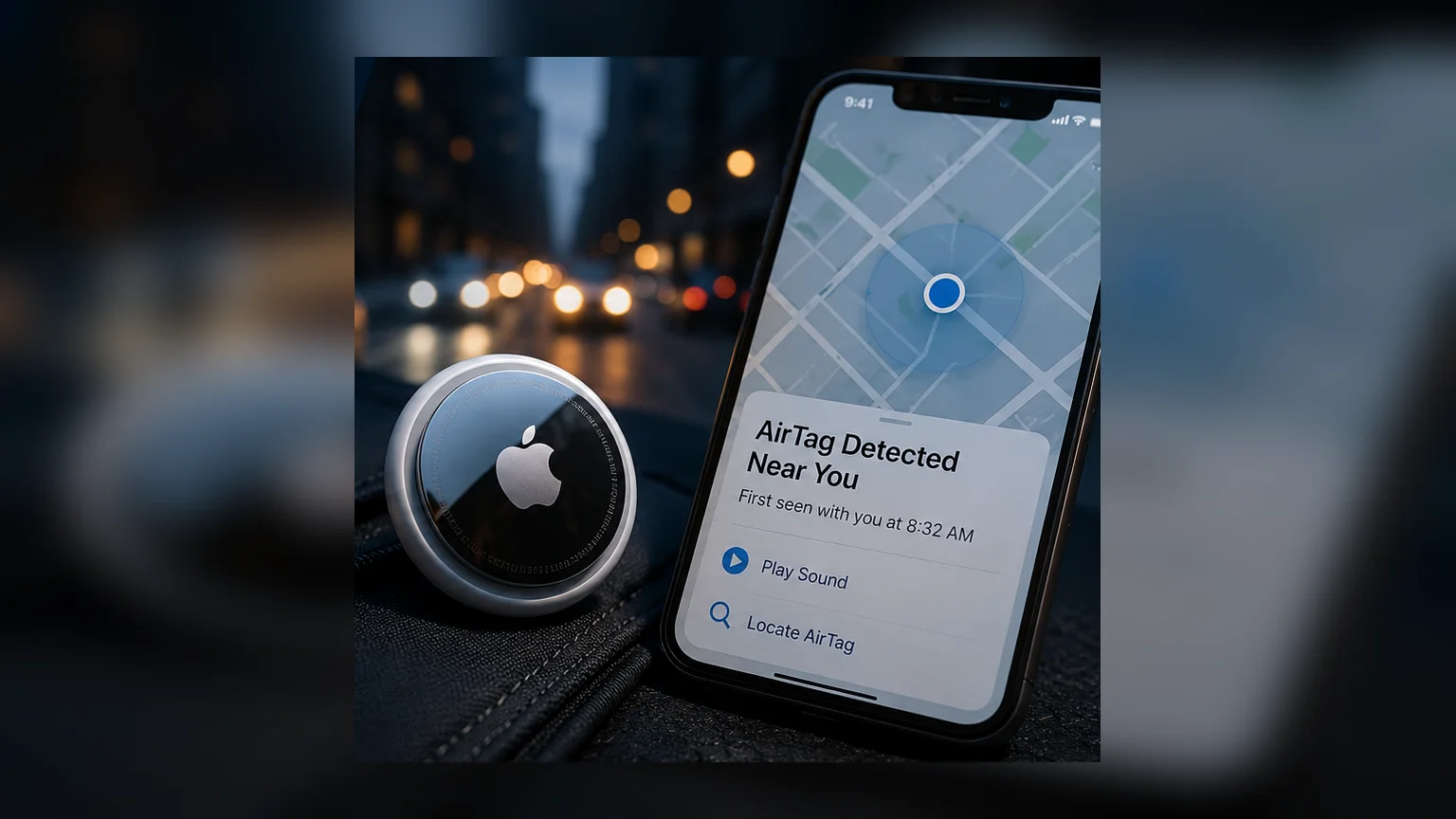
According to Apple, it designed AirTags and the Find My network to help users keep track of belongings. It also designed them to discourage unwanted tracking [7]. Apple and Google created an industry standard. With it, iPhone, iPad and Android users can be notified if they are being tracked. The lawsuits allege these safeguards are inadequate.Who May Be Affected?
People tracked by an AirTag placed without their knowledge are the plaintiffs in these cases. The 2022 proposed class covered owners of iOS or Android devices “which have been tracked with an AirTag or are at risk of being stalked.” Three plaintiffs in that case kept their negligence and product liability claims after the March 2024 ruling in Hughes v. Apple, Inc. Whether you may qualify depends on your own facts, such as where the device was found and what harm followed. A lawyer must review them individually.Think you may qualify?
Schmidt & Clark offers a free case review for people who believe an AirTag was used to track or stalk them. A review does not promise eligibility, liability or any result.
Start My Free Case Review
Reported Injuries or Damages
Plaintiffs allege abusers tracked and stalked them with AirTags. The 2022 complaint says Apple enabled abuse, stalking and physical violence. It cites at least two murders involving AirTags. The March 2024 ruling quotes the plaintiffs. They allege the AirTag’s safety problems were substantial and that these defects caused their injuries. The complaint called AirTag the “weapon of choice of stalkers and abusers”. Motherboard reviewed police reports from eight precincts, Popular Science reported. At least 150 mentioned abusers using the devices to stalk. Reports do not prove the product caused every incident. Apple’s 2022 statement said it had “seen reports of bad actors attempting to misuse AirTag for malicious or criminal purposes.” Later updates added text alerts and a 60-decibel chime. The complaint calls these steps inadequate.Evidence to Preserve
Apple says law enforcement may need the AirTag and its serial number, so keep these items:- The AirTag and its serial number. Photograph the device before you discard or disable it.
- Screenshots of the unwanted tracking alert and the item and owner details.
- Photos of where you found the device, such as your car or belongings.
- Your Find My “Items Detected With You” history, saved as screenshots on the phone that got the alerts.
- Police reports and every message with law enforcement about the AirTag or the person who placed it.
- Messages or other contact with the suspected person, saved in their original form.
- Medical or counseling records linked to the stress or harm you went through.
- Receipts for costs such as moving or security steps taken after the tracking.
Filing Deadlines
Filing deadlines come from state law. They vary with where you live and when the tracking, the injury and its discovery happened. Missing a deadline can end a claim even when the facts are strong, so timing matters from the moment you suspect tracking. Speak with a lawyer promptly to learn which deadline applies to your situation, including when the clock started for you.Frequently Asked Questions
Can You Sue Apple for AirTag Stalking?
You can sue Apple for AirTag stalking, and plaintiffs have done so. The court let some plaintiffs’ claims go forward. Whether a claim succeeds is for a court to decide, and no outcome is promised.Did a Judge Dismiss the AirTag Lawsuit?
A judge did not dismiss the whole AirTag lawsuit. Judge Chhabria wrote that Apple may ultimately be right that California law did not require it to do more. He said that could not be decided at that early stage.What Should I Do After an Unknown-Tracker Alert?
After an unknown-tracker alert, Apple says to tap the notification, then tap Play Sound or Find Nearby. Check your belongings and vehicle. If you cannot find the device and feel unsafe, go to a safe public location and contact law enforcement.What Does the Research Say About AirTag Stalking?
Research on AirTag stalking so far rests on court filings and press reports of individual cases. Such reports describe incidents, but they do not prove the product caused each one.Can Android Phones Detect Unknown AirTags?
Android phones can detect unknown AirTags. On Android 6.0 or later, Google provides unwanted tracking detection. Earlier systems can update or use the Tracker Detect App, and Apple’s page points to its Find Unknown Trackers page.References
- https://dailyjournal.com/article/395065-airtag-stalking-cases-centralized-in-northern-district-of-california
- https://www.law.com/therecorder/2026/05/04/apple-slammed-in-calif-federal-court-with-lawsuits-over-airtags-alleged-use-in-stalking-/
- https://www.law360.co.uk/amp/articles/2449452
- https://www.law360.co.uk/amp/articles/2351194
- https://news.bloomberglaw.com/litigation/apple-must-face-suit-claiming-air-tags-are-weapon-of-stalkers
- https://www.popsci.com/technology/lawsuit-apple-airtags-stalking/
- https://support.apple.com/guide/personal-safety/detect-unwanted-trackers-ips139b15fd9/web