
 Published by
Knee Replacement Revision Surgery Lawsuit Overview

Knee replacement lawsuits primarily target manufacturers of defective knee implants that lead to premature failure and painful revision surgeries.
Nearly 700,000 knee replacement procedures are performed annually in the United States, with a significant number resulting in complications.
Multiple FDA recalls have been issued for various knee implant devices, highlighting serious concerns about their safety and effectiveness.
Latest Knee Replacement Revision Surgery Lawsuit Updates
- 2017 – The U.S. Food and Drug Administration issued a recall for a Zimmer Regenerex knee replacement that appeared to be faulty, but the company had been a prior subject for several FDA recalls. Other manufacturers including Johnson & Johnson's DePuy, Stryker, and Smith & Nephew also have a history of multiple recalls for their hip and knee implants [1].
- 2011 (MDL 2272) – Lawsuits over Zimmer NexGen knee implants were consolidated into Multidistrict Litigation (MDL 2272) in the U.S. District Court for the Northern District of Illinois. At its peak, the MDL included nearly 1,300 lawsuits [2].
Zimmer Biomet is currently named as the defendant in more than 700 lawsuits alleging complications from its NexGen knee replacement implants.
Cases filed on the federal level have been consolidated into a multidistrict litigation (MDL 2272) in the U.S. District Court for the Northern District of Illinois [3].
MDLs are used to streamline the litigation process for a large number of complaints naming the same defendant and similar causes of action. After the pretrial phase is complete, each case will be returned to its respective district.
FDA Reports and Statistics
According to the American Academy of Orthopedics, more than 700,000 total knee replacement surgeries are performed each year in the United States, and nearly 90% of patients who undergo revision surgery report a dramatic reduction of knee pain following surgery [4].
Despite the popularity of knee replacements, the FDA has raised serious concerns:
- A number of knee replacements sold by U.S. manufacturers have been recalled by the Food and Drug Administration due to manufacturing defects or high rates of device failure which result in serious injury.
- Many knee implants were approved under the FDA's controversial 510(k) pathway, which allowed manufacturers to avoid costly testing.
- Devices approved under the 510(k) pathway have failed at alarmingly high rates, some within one to two years of placement.
- By 2017, the FDA had issued recalls for multiple knee replacement systems from manufacturers including Zimmer, DePuy, Stryker, and Smith & Nephew.
Knee Replacement Revision Surgery Injuries & Side Effects
Patients with defective knee implants may experience a range of serious complications that significantly impact their quality of life and often necessitate additional surgeries.
Signs and symptoms of a failed knee replacement may include:
- Severe pain: Persistent or worsening pain that doesn't improve with time.
- Infection, inflammation, or swelling: Signs of possible infection or rejection of the implant.
- Damage to the joint, bone, muscle, or nerves: Causing additional complications beyond the implant itself.
- Loosening of the faulty knee implant: Often resulting in instability and mobility issues.
- Popping, clicking, or crunching noises: Indicating potential mechanical problems with the implant.
- Mobility issues: Difficulty with standing, walking, or other basic movements.
In addition to traditional knee implant failures, patients may also experience severe complications from bone cement, including [5]:
- Bone Cement Implantation Syndrome (BCIS): A potentially life-threatening condition.
- Hypotension and cardiac complications: Including cardiac arrest and sudden death.
- Pulmonary issues: Including embolism, edema, and hypoxemia.
- Loosening of implant components: Leading to implant failure and need for revision.
Do You Qualify for a Knee Replacement Revision Surgery Lawsuit?

You may qualify for a knee replacement revision surgery lawsuit if:
- You underwent knee replacement surgery with a potentially defective implant
- You experienced serious complications such as severe pain, infection, device loosening, or implant failure
- You required revision surgery to correct problems with your knee replacement
- You can provide medical documentation linking your complications to a defective implant
- Your injuries resulted in significant medical expenses, lost wages, or pain and suffering
Evidence Required for a Knee Replacement Revision Surgery Lawsuit
 To build a strong case, you'll need to gather:
- Medical Records: Documentation of your initial knee replacement surgery, including the type of implant used.
- Follow-Up Treatment: Records from all follow-up appointments and revision surgeries.
- Implant Identification: Documentation proving the specific model and brand of your knee implant.
- Symptom Documentation: A log detailing the onset, frequency, and severity of your symptoms.
- Medical Expenses: Comprehensive records of all related medical costs, including surgeries and rehabilitation.
Damages You Can Recover
If successful, you may be entitled to compensation for:
- Medical expenses for revision surgeries and ongoing treatment
- Lost wages from missed work
- Pain and suffering, both physical and emotional
- Long-term care costs if your mobility is permanently affected
- Punitive damages in cases of gross negligence
Related Articles: Zimmer NexGen Persona Class Action Lawsuit
Knee Replacement Recall Information
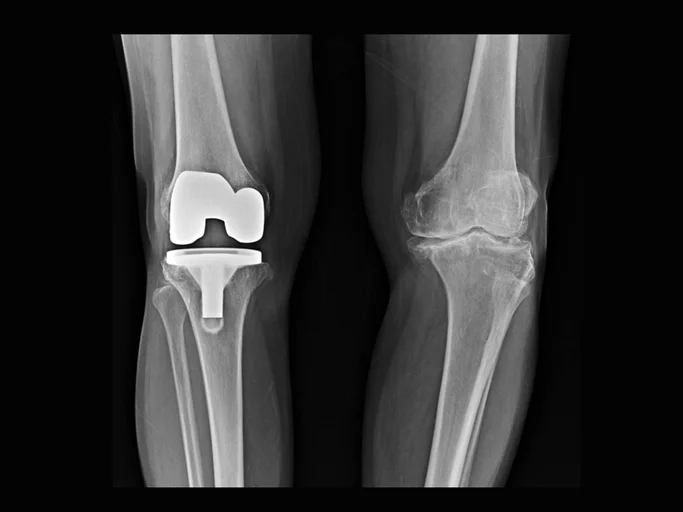
Unfortunately, many artificial joint recipients are finding that knee replacement surgery can cause more harm than good.
Several manufacturers have issued recalls for their knee replacement systems:
- Zimmer Biomet: NexGen Persona implants showing premature loosening, Regenerex knee replacements.
- DePuy: Attune Knee System associated with loosening and instability.
- Stryker: Duracon and Unicompartmental Knee System linked to pain, instability, and restricted motion.
- Exactech: Optetrak Knee showing excessive wear and premature failure.
- Arthrex: iBalance Knee has been linked to loosening and defective tibial tray issues.
- B. Braun: Advanced Surface ceramic coated knees with loosening due to cement failure.
Together, these manufacturers have issued nearly 1,000 knee replacement recalls due to various defects, including faulty design, improper fit, loosening, early wear, and packing errors.
Statute of Limitations for Knee Replacement Revision Surgery Lawsuits

The time limit to file a claim, known as the statute of limitations, varies by state. Generally, it ranges from 1 to 3 years from the injury date or the complication's discovery.
Knowing when your surgery took place and when you started noticing complications from the device can help your attorney build your case and ensure it's filed within the legal timeframe.
It's crucial to consult with an attorney promptly to determine the specific deadline in your state, as missing this window could forfeit your right to compensation.
Related Articles:
FAQs
1. What are the signs that a knee implant is failing and may need revision?
Signs that a knee implant is failing include persistent or increasing pain, swelling, instability, a noticeable decrease in range of motion, and difficulty with weight-bearing activities. These symptoms should be evaluated by a healthcare professional.
2. How long after knee replacement surgery might revision surgery be needed?
Revision surgery might be needed anywhere from a few months to several years after the initial knee replacement, depending on factors such as implant wear, infection, or other complications.
3. What is the success rate of knee replacement revision surgeries?
The success rate of knee replacement revision surgeries is generally lower than that of the initial surgery, with outcomes depending on factors such as the reason for revision, the patient's overall health, and the quality of the new implant.
4. What brand is most commonly associated with failed knee replacements?
Several knee replacement manufacturers have faced allegations about their devices, including Zimmer Biomet (NexGen), DePuy (Attune), Stryker, Exactech (Optetrak), and Arthrex (iBalance). The specific brands named in lawsuits vary based on reported complications.
5. How is Bone Cement Implantation Syndrome related to knee replacement?
Bone Cement Implantation Syndrome (BCIS) is a severe complication that can occur during knee replacement surgery when bone cement is used. It can cause hypotension, pulmonary hypertension, cardiac arrhythmias, and in severe cases, cardiac arrest or sudden death.
6. Can I file a class action for my knee replacement complications?
Although Schmidt & Clark, LLP is a nationally recognized class action firm, we have decided against this type of litigation for knee replacement surgery cases. Our lawyers believe that individual suits will be the best way to get maximum payouts for our clients.
7. What evidence do I need to preserve for my knee replacement lawsuit?
Evidence you need to preserve for your knee replacement lawsuits includes all medical records related to your knee replacement and subsequent complications, any implant identification cards, documentation of all medical expenses, and a detailed symptom journal tracking pain and mobility issues.
8. Will my insurance cover revision surgery costs?
Most insurance plans cover medically necessary revision surgeries, but coverage varies by provider. It's important to check with your insurance company about specific coverage details and potential out-of-pocket expenses.
9. How long does a knee replacement lawsuit typically take?
The timeline for a knee replacement lawsuit can vary significantly depending on the complexity of your case, the court's schedule, and whether a settlement is reached. Cases can take anywhere from several months to a few years to resolve.
10. What compensation amounts have been awarded in similar cases?
Compensation in knee replacement lawsuits varies widely depending on factors such as the severity of injuries, medical expenses, lost wages, and impact on quality of life. Some cases have resulted in settlements or verdicts ranging from tens of thousands to millions of dollars.
See the other defective medical device cases our attorneys have covered.
Get Your Free Knee Replacement Revision Surgery Lawsuit Evaluation With Our Lawyers
Time is limited to pursue legal action for knee replacement revision surgery complications. Each state has its own statute of limitations that may affect your ability to seek justice and compensation.
The Medical Device Litigation Group at Schmidt & Clark, LLP law firm is an experienced team of trial lawyers focusing on plaintiffs' representation in knee replacement lawsuits.
We are handling individual litigation nationwide and currently accepting new injury and death cases in all 50 states.
Don't wait until it's too late to seek the compensation you deserve for your knee replacement complications.
Free Case Evaluation: Again, if you or a loved one suffered complications from knee replacements, you should contact our law firm immediately for a free consultation. You may be entitled to compensation for lost wages and medical expenses by filing a suit and we can help.
References
- https://www.accessdata.fda.gov/scripts/cdrh/cfdocs/cfres/res.cfm?id=154964
- https://www.consumersafety.org/medical-device-lawsuits/knee-replacement/
- https://www.ilnd.uscourts.gov/mdl-details.aspx?WNesDQBcWakSF/4TSCIYmQ==
- https://pmc.ncbi.nlm.nih.gov/articles/PMC5213964/
- https://misuse.ncbi.nlm.nih.gov/error/abuse.shtml